

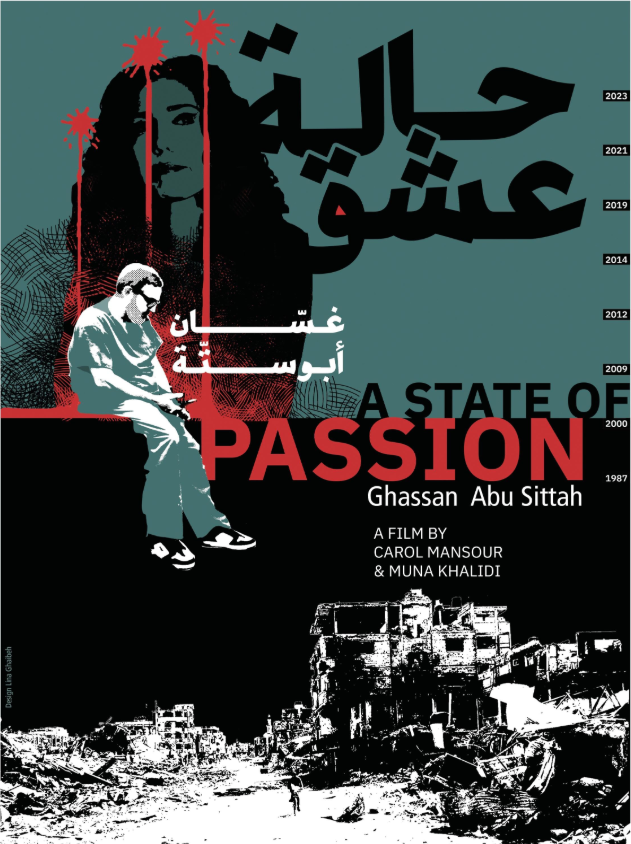

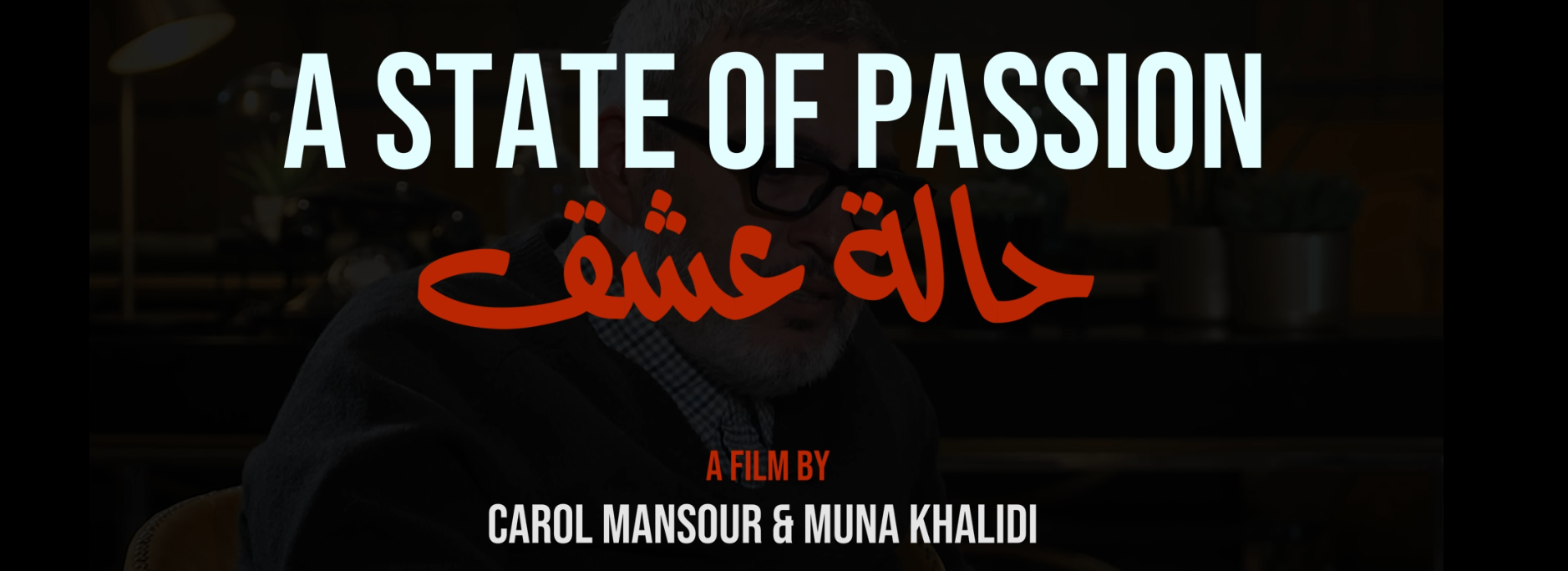
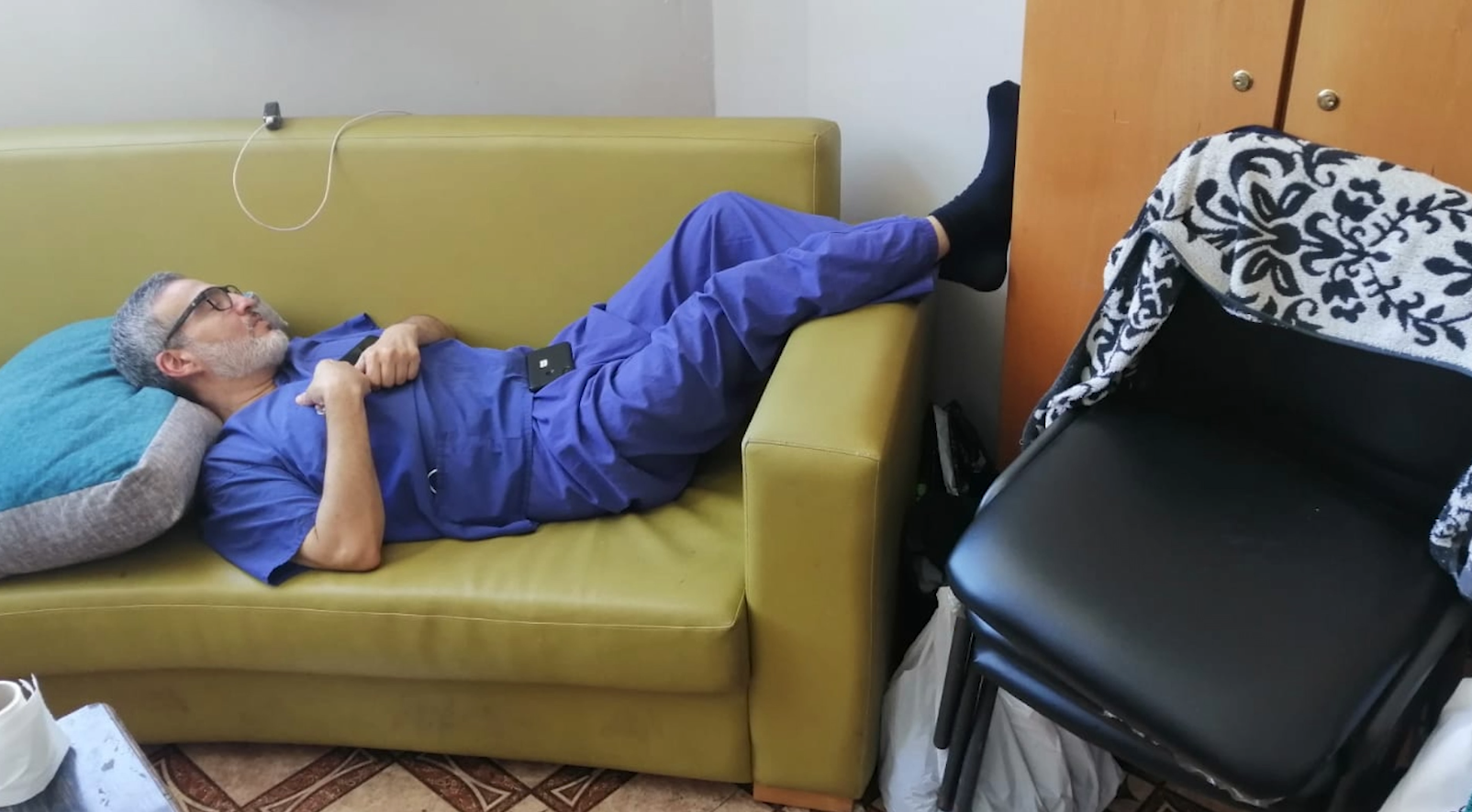
I was lucky enough to be sent an advance screener of A State of Passion from the Palestinian Arts Festival folks here in Nairobi – – a few days before it lands in cinemas. I found myself watching it long after midnight, long after the city had quietened into soft stillness, alone. Directed by Carol Mansour and Muna Khalidi, the film follows British-Palestinian surgeon Dr. Ghassan Abu-Sittah, whose 43 days working inside Gaza’s collapsing hospitals have now become part of the global record. But what the documentary captures isn’t simply the horror we think we already know, it’s the human cost of carrying those memories out of the rubble and into the rest of the world.
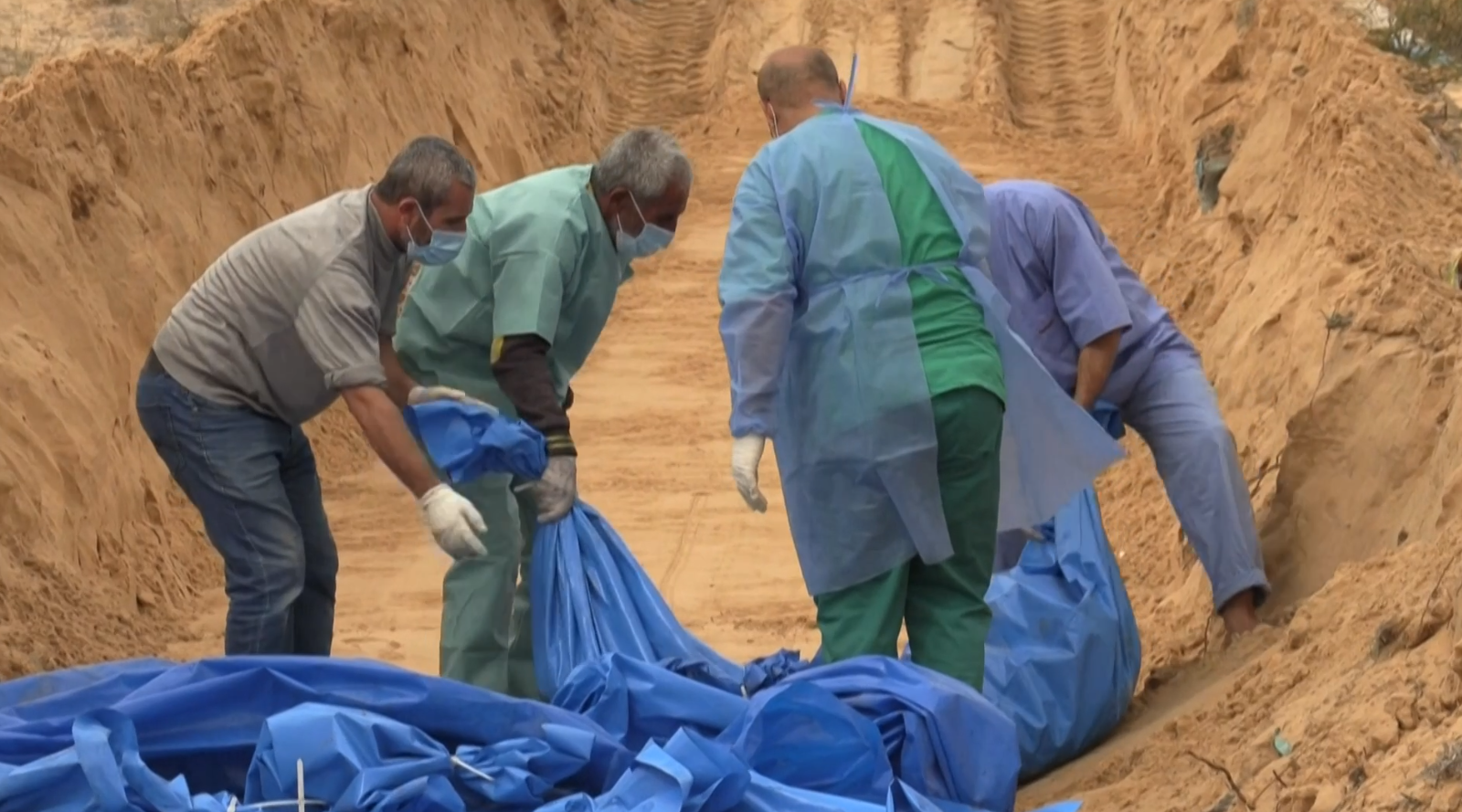
The film opens without spectacle. No dramatic score, no scene-setting graphics. Just the slow drip of daily life under bombardment: crowded hallways, bodies arriving in waves, exhausted medics working with whatever light, electricity or courage remains. Mansour and Khalidi don’t sensationalise. They observe. The camera holds on to last breaths. You feel the tension between a surgeon’s training and a human being’s instinct to break.
A State of Passion, however, is not only a war-zone chronicle. Its power lies in the quiet, almost fragile scenes away from Gaza — Ghassan back home in London, making breakfast for his sons, speaking softly with his family, sitting in, and holding, an uneasy space between presence and distance. These domestic moments aren’t used as contrast for drama. They’re used as truth. They show a man who can operate under fire, who can perform dozens of surgeries in a night, but who struggles to explain to his children why he went, why he stayed, and why he would go again.
They show a man who can operate under fire, who can perform dozens of surgeries in a night, but who struggles to explain to his children why he went, why he stayed, and why he would go again.
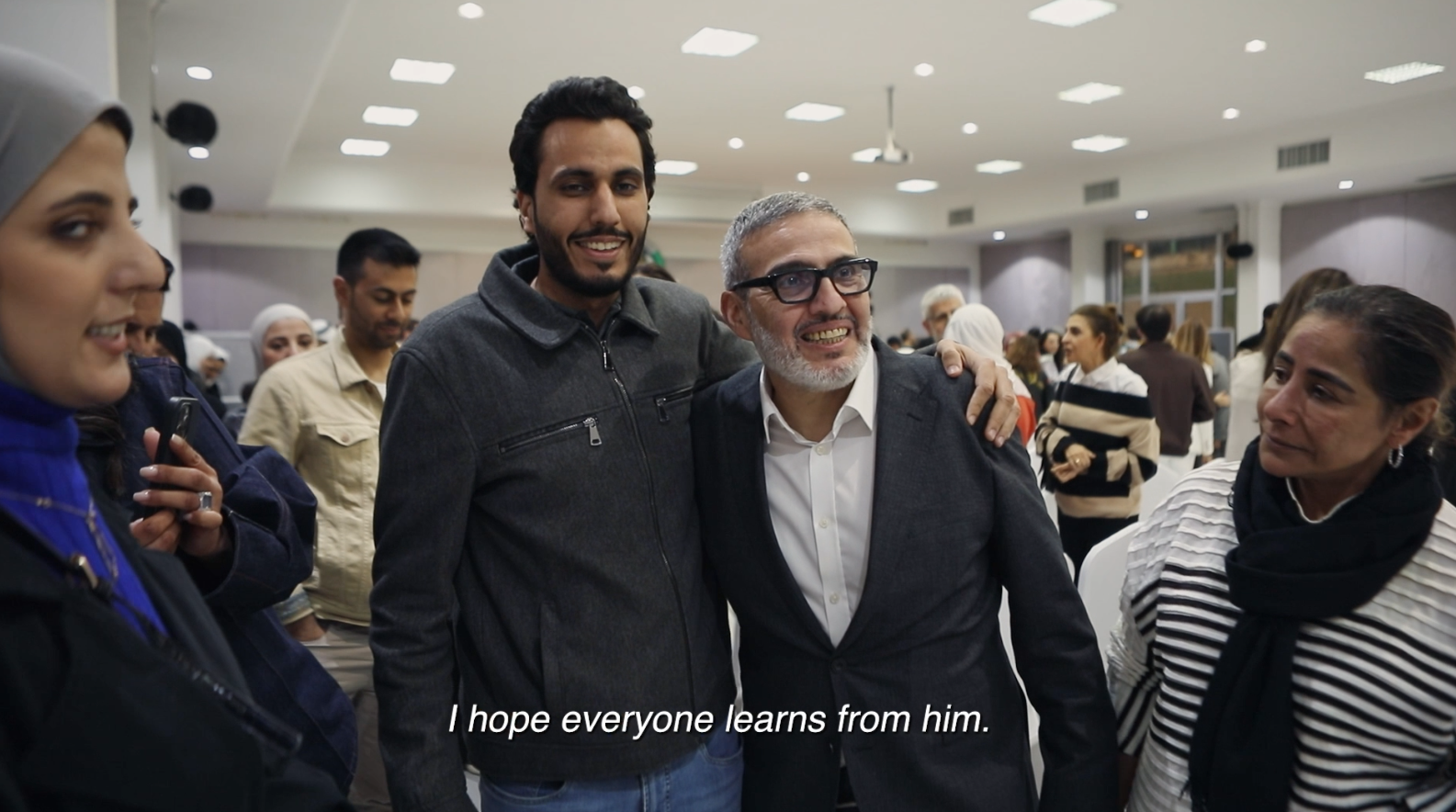
Throughout the film, his world expands and contracts. One day he is in Beirut or Amman, speaking on panels about deliberate attacks on hospitals. Another day he is in a courtroom, offering testimony that feels heavier than any expert report. Then he is back at home, staring into a cup of tea that has gone cold. The directors let these rhythms unfold without commentary, trusting that the viewer will assemble the emotional architecture themselves. Forming a slightly uneasy, complicated, necessary rhythm of breath.
The result is a documentary that feels both intimate and immense. It holds the scale of Gaza’s devastation — the amputations without anaesthesia, the children pulled from concrete, the medics who never made it home — but it consistently returns to the individual carrying those images. Not to make him a hero, but to show the psychological terrain of someone who refuses to look away. In that sense, the film becomes an exploration of witness: What does it mean to see atrocities up close? And what does it mean to keep telling the world when the world seems comfortable with forgetting?
Mansour and Khalidi’s craft is quietly confident – and exceedingly trusting… the camera rarely intrudes. The pacing is deliberate. There are no stylistic flourishes competing for attention. Instead, the film builds an emotional gravity that strengthens scene by scene, until you realise you’ve been sitting in a deep, heavy stillness without even noticing.
The result is a documentary that feels both intimate and immense. It holds the scale of Gaza’s devastation — the amputations without anaesthesia, the children pulled from concrete, the medics who never made it home — but it consistently returns to the individual carrying those images.
By the end, A State of Passion feels less like reportage and more like a record of human endurance. Not just Ghassan’s, but that of the people of Gaza whose faces, voices, and silences fill the film. It insists on being witnessed properly. It asks the viewer to sit with discomfort without rushing to the relief of distance.

For Nairobi audiences, this film arrives at a time when conversations about Palestine, Sudan, Burkina Faso, Myanmar, Mali, justice, and global complicity are louder than ever. It is a stark reminder to all of us that the aftershocks of war do not end at the border; they travel with those who survive it.
It screens, Wednesday 17th, at UNSEEN NAIROBI, as part of the Palestinian Art Festival Kenya (@palestinian.art.festival.ke). I’m grateful I watched it alone first. I suspect seeing it with a room full of people will feel like something else entirely — a shared heaviness, maybe, or a shared clarity.
This is one of the most important documentaries screening in Nairobi this year.
Screening Information
Wednesday 17th December
Unseen Nairobi
Part of the Palestinian Art Festival Kenya
Instagram: @palestinian.art.festival.ke
Tickets
https://mookh.com/event/a-state-of-passion
IG: FOLLOW instagram.com/palestinian.art.festival.ke
(Tap the link in their bio for more ticketing + screening schedules)