

Bobi Wine: The People’s President
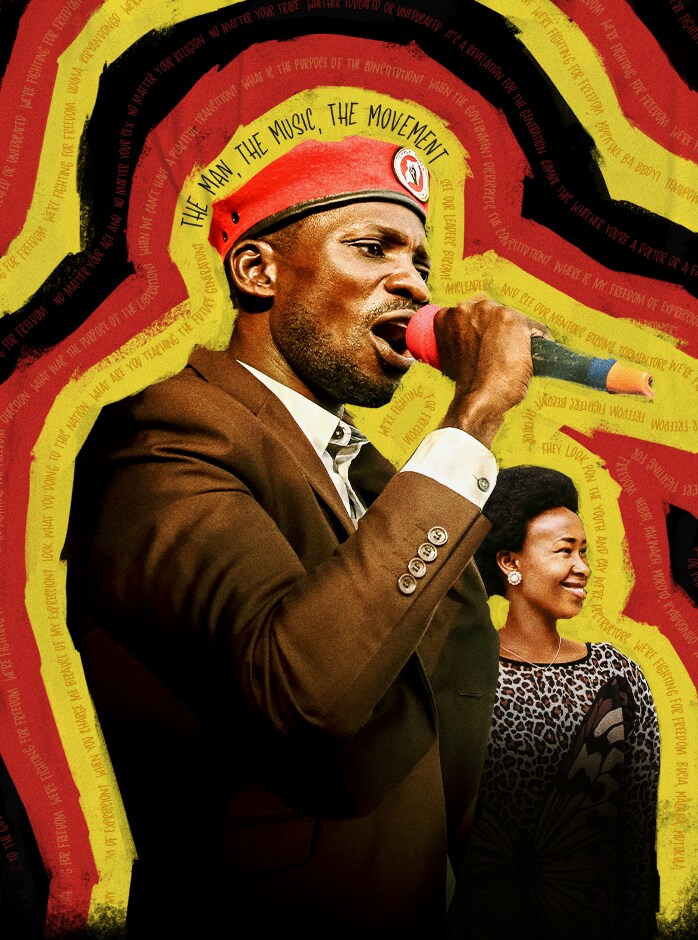
Music has always been political in East Africa, but rarely has the collision been this direct. Bobi Wine: The People’s President captures the moment when a pop star’s influence spills fully into the electoral arena, and the consequences that follow when cultural power begins to look like a genuine political threat.
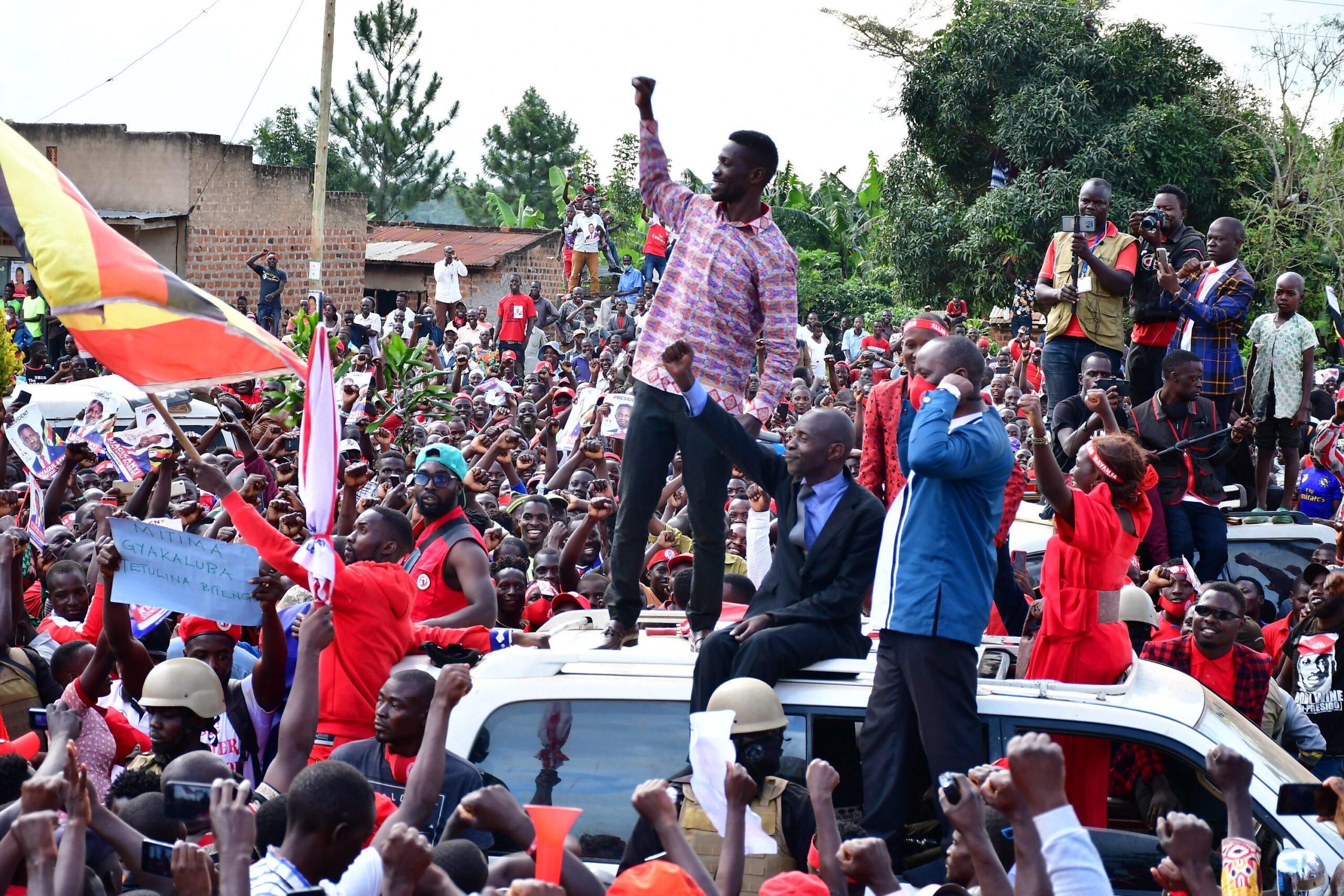
Directed by Moses Bwayo and Christopher Sharp, the documentary follows Bobi Wine through Uganda’s 2021 presidential campaign. What unfolds is a tightly observed account of a movement operating under constant pressure: rallies disrupted, supporters beaten, leaders detained, communication cut. The film does not frame these moments as isolated incidents but as part of a sustained environment of control.
One of the film’s greatest strengths is its proximity. Cameras are present in moments that feel both intimate and precarious: hurried conversations, exhausted pauses, sudden bursts of chaos. The filmmakers resist narration-heavy explanation, allowing events to speak for themselves. This restraint gives the film its credibility and its emotional weight.
Importantly, the documentary avoids turning Bobi Wine into a singular heroic figure. While he remains central, the film repeatedly widens its lens to include those around him, especially his wife Barbie Kyagulanyi, whose composure and quiet strength ground the story. Leadership here is portrayed as collective, fragile, and deeply human.
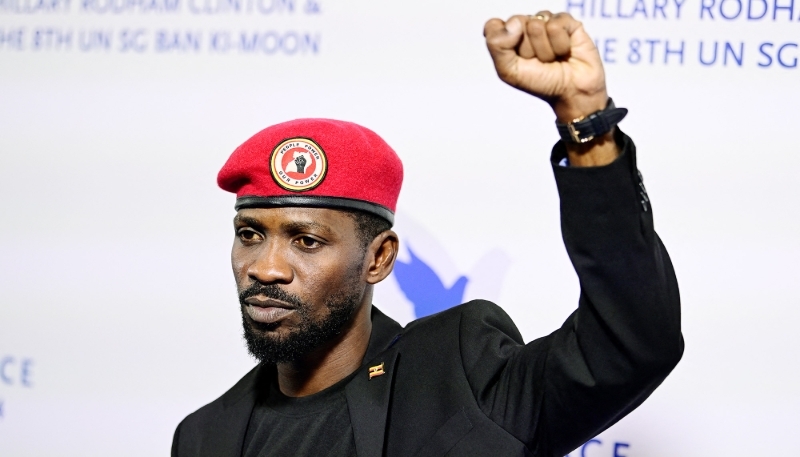
Visually, the film embraces a raw, almost urgent aesthetic. Handheld footage, phone videos, and rapid edits reflect the instability of the campaign itself. Rather than polish away the chaos, the film leans into it, reinforcing the sense that what we are watching is unfolding in real time, not being neatly packaged after the fact.
In 2026, the film lands with renewed force. Uganda has just emerged from another presidential election marked by a media blackout, restricted digital communication, and a familiar outcome: a further consolidation of power under Yoweri Museveni. In that context, The People’s President no longer feels like a document of a past moment, but a blueprint of a recurring pattern. The tactics depicted in the film, silencing, intimidation, narrative control, feel less like history and more like precedent.
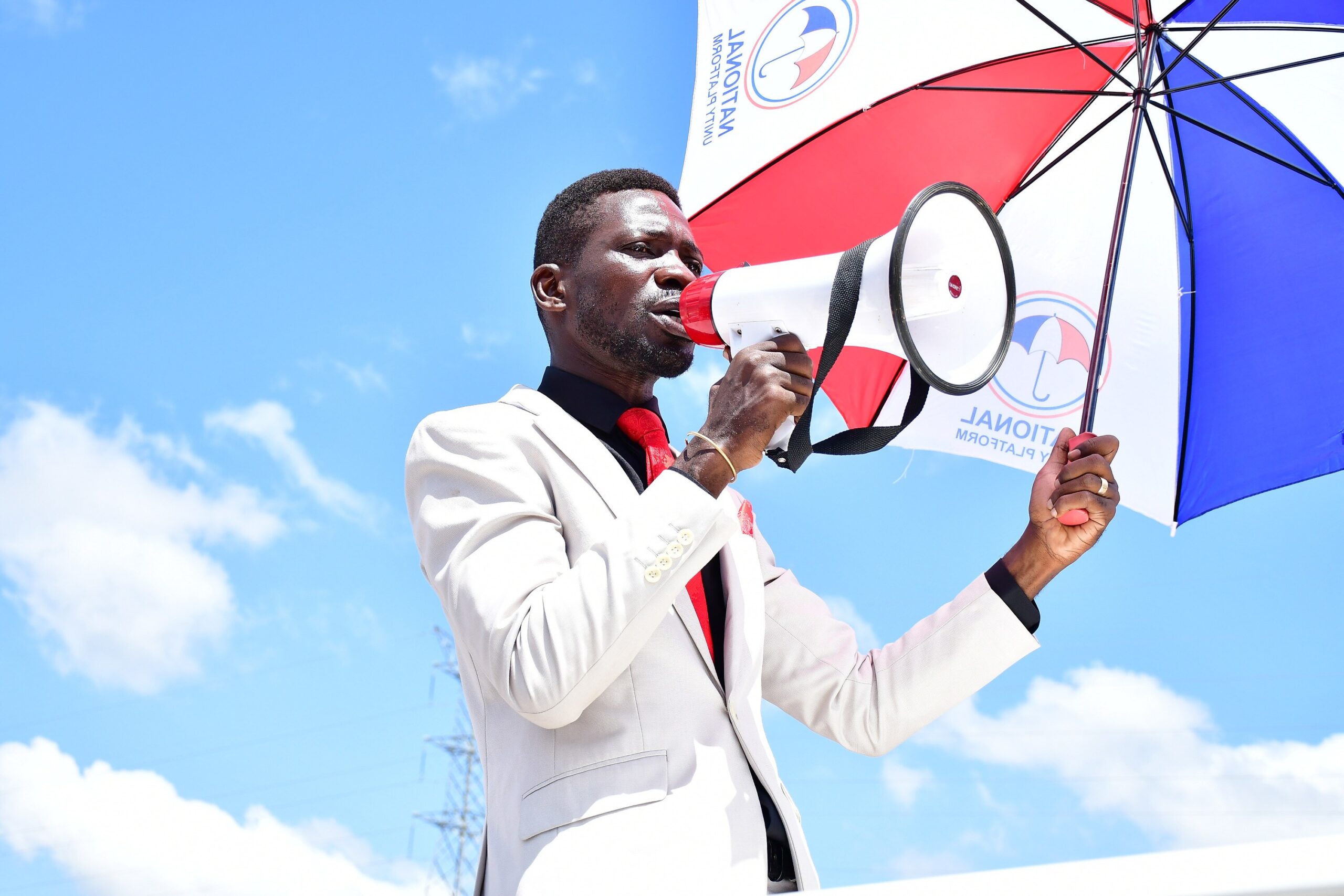


For Kenyan audiences, and for the wider region, this resonance is difficult to ignore. The film speaks to shared political anxieties across East Africa: the limits of electoral democracy, the vulnerability of independent media, and the risks faced by youth-led movements when they move from cultural influence into institutional challenge. The documentary does not attempt to resolve these tensions, and it is stronger for that restraint.
The film concludes without triumph or closure. Instead, it leaves viewers with a record: of resistance, of courage, and of the costs exacted on those who dare to imagine political alternatives. In doing so, Bobi Wine: The People’s President becomes less about one election cycle and more about the enduring realities of dissent in the region.
Urgent, sobering, and quietly devastating, this is a film that demands attention without asking for applause.
SCREENING THROUGH FEBRUARY AT UNSEEN NAIROBI