


By Wendy Njoroge

An intimate tide of memory, place, and purpose
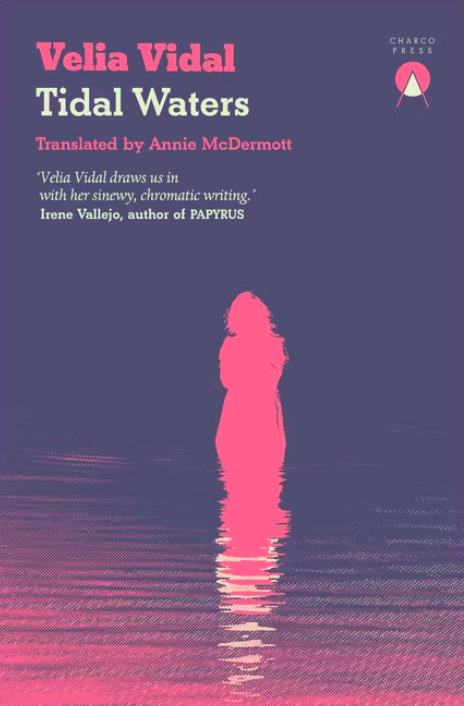
In Tidal Waters, Afro-Colombian writer and cultural activist Velia Vidal offers a deeply introspective and lyrical debut that reads like a love letter to self, to home, and to the Pacific coast of Colombia.
Framed as a series of letters to an unnamed friend, this epistolary novel gently guides readers through the ebb and flow of one woman’s journey of return — not only to the lush, rain-drenched region of Chocó, but to the core of her identity.
Vidal’s protagonist, a version of herself, leaves behind city life to return to Bahía Solano, a small coastal town where she hopes to plant cultural seeds through reading and community work. As she recounts the experience to her correspondent, we’re invited into reflections that blend the personal with the political. The narrative explores longing, exile, motherhood, love, activism, and race with a tone that is never didactic but always emotionally resonant.
The sea is everywhere in this book — both literally and metaphorically. It appears in the rhythm of the prose, the memories that surface and recede, and the pull of home that refuses to be ignored. Vidal’s writing is gentle yet powerful, offering readers an immersive experience into a region often neglected in mainstream Colombian narratives. Colombia, with the third-largest population of Afro-descendants in the Americas after Brazil and the United States, rarely centers Black life in its literature, policy, or media. Instead, Afro-Colombian regions are often portrayed through the narrow lenses of violence, poverty, or exoticism — if they are represented at all.
Velia Vidal upends this tendency with a quiet, insistent tenderness. Her writing does not dramatize or romanticize her community; it humanizes it. In doing so, Vidal joins a small but growing chorus of Afro-Latin American writers who are re-centring the African diaspora in narratives about nationhood and identity. In Brazil, writers like Conceição Evaristo have taken similar approaches, weaving memory and Black womanhood into their fiction. In Cuba, the legacy of Nicolás Guillén reminds us how poetry can be a vessel of cultural affirmation. Vidal’s contribution is part of this transnational wave — one that reclaims Afro-descendant presence not just in history books, but in the future of literature.



What makes Tidal Waters remarkable is its quiet insistence that storytelling, particularly from the margins, matters. Vidal, who is also the founder of Motete, a cultural organization promoting literacy in Chocó, blurs the lines between fiction and memoir. Her real-life efforts to establish community libraries and the FLECHO literary festival form the beating heart of this novel.
Beautifully translated from Spanish, Tidal Waters is a short but affecting book. It’s the kind of story that doesn’t shout but lingers, like salt in the air or sand in your shoes.