

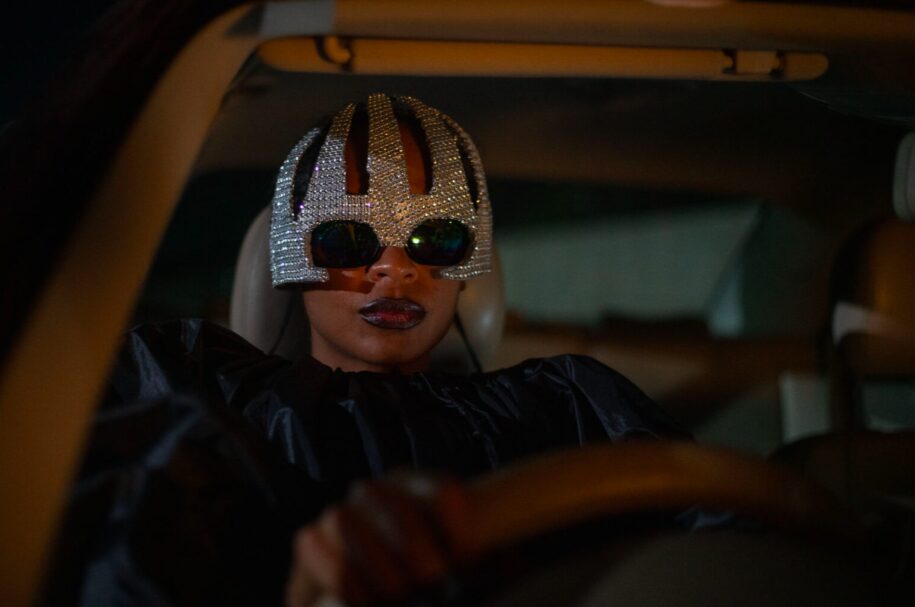

Rungano Nyoni’s On Becoming a Guinea Fowl opens with a deceptively simple encounter: we see a woman in a strange, futuristic outfit and mask driving in a dark, deserted, seemingly rural area. She sees the body of a man on the road. This man is her uncle. She seems oddly unfazed. What follows is not the whodunit one might expect, but a layered, darkly comic unraveling of family secrets, cultural silences, and the uneasy rituals that shape collective grief, especially in Africa.
The death brings an extended family together under one roof, where the official script of mourning is carefully rehearsed—wailing, prayer, food, ceremony—yet the emotional undercurrents tell another story. Tensions simmer in the glances exchanged across the room, in the unspoken words hanging heavy between cousins, siblings, and elders. Nyoni’s great achievement lies in how she captures this duality: the public performance of tradition and the private disquiet that it conceals, emoted expertly in the quiet expressions of Susan Chardy, who plays main character Shula.
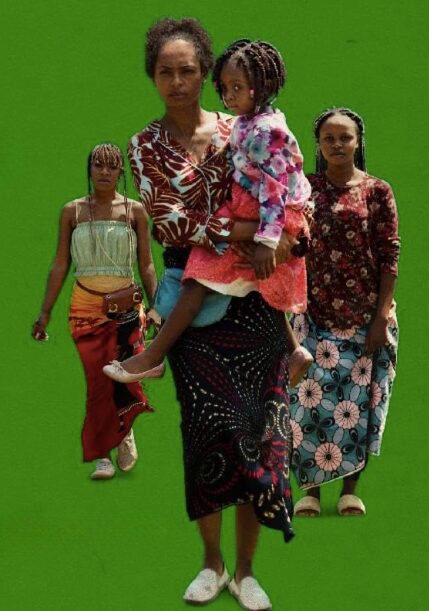
Nyoni’s follow up to her Bafta-winning 2017 debut I Am Not a Witch, is set in Zambia and uses the Bemba language and English, interweaving humour with pathos as fluidly as the characters switch between their languages.
Stylistically, the film is both grounded and dreamlike. The camera lingers on textures—skin, fabric, dust—as though the material world itself is vibrating with unease. Moments of magical realism slip in, surrealing reminding us that the is woven into everyday life. Nyoni balances these flourishes with deadpan humor, often allowing the absurdity of ritual or bureaucracy to puncture the solemnity of loss. The effect is disarming: you find yourself laughing in the same breath as you feel the weight of trauma.
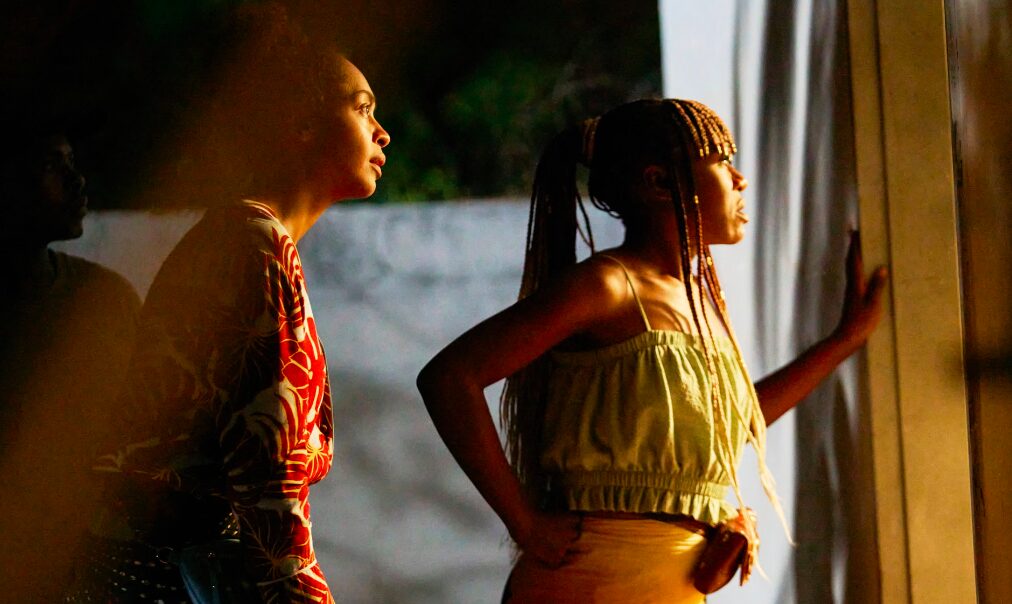

The ensemble cast delivers performances of quiet power, letting silence, restraint, and stillness carry as much meaning as dialogue. Through them, the film paints a portrait of complicity; not of villains and heroes, but of ordinary people shaped by generational patterns, communal pressures, and the instinct to bury what hurts too much to face, while the younger generation struggle to break cycles of abuse.
What makes On Becoming a Guinea Fowl remarkable is not only its thematic bravery, but its tonal balance. It is as funny as it is haunting, as visually stylish as it is emotionally raw. Without resorting to melodrama, Nyoni crafts a narrative that is blistering in its critique of social issues and yet tender in its attention to human frailty. The result is a film that lingers long after the credits.