

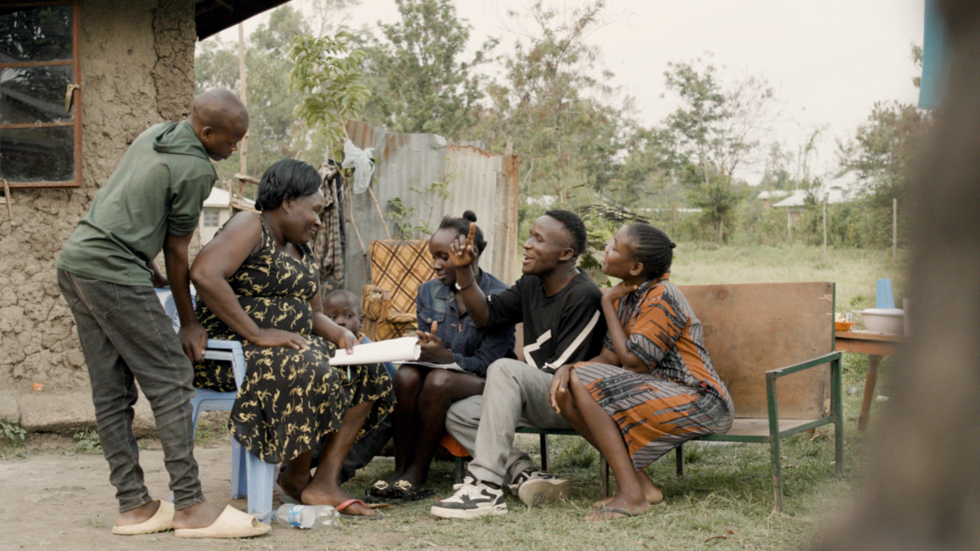

The Goethe-Institut and Docubox have formalized their long-standing film screening series collaboration that showcases African documentaries with the name “Kamera Kwanza”.
Kamera Kwanza’s first screening opens with a Kenyan powerhouse: Zippy Kimundu’s sophomore documentary “Widow Champion” (2025), 25 February at The Goethe-Institut.
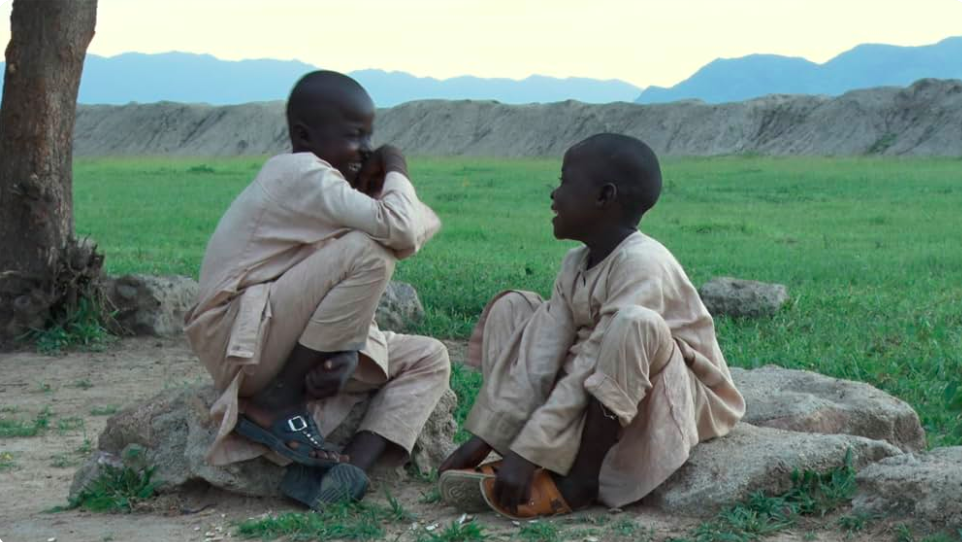
©Le Spectre de Boko Haram
Since 2024, the Goethe-Institut in partnership with Docubox has hosted 16 film screenings of documentaries from around the continent. Most critically acclaimed films from Africa are screened at major festivals in Europe and the USA. This glory hardly trickles down to countries in Africa. At best, they are recognized in the original countries they were produced. The collaboration, now titled Kamera Kwanza aims to remedy this in Kenya.
Most recently, Cameroonian Cyrielle Raingou’s profoundly affecting debut feature Le Spectre de Boko Haram (2023) was screened, in December 2025. Prior to that we saw Nollywood filmmaker Ike Nnaebue’s No U-Turn (2022). This documentary focuses on undocumented young West Africans attempting to migrate to Europe, the trials they endure, and their reasons for attempting this perilous journey.
A major goal for Goethe-Institut and Docubox is to present such films, which may have otherwise remained invisible to Kenyans, to the public. In doing so, more stories from around the continent can be circulated, sharing knowledge and appreciation of African experiences.
Kamera Kwanza reflects something we have held close for many years: that African documentaries deserve to live, to travel, and to be experienced by the audiences they speak to most intimately,” says Susan Mbogo, Executive Director at Docubox
With the name Kamera Kwanza, the Goethe-Institute and Docubox aim to continue fostering and promoting a shared love for films and the art of film making. Focusing on documentaries has enabled not only the experience of authentic stories through film, but a consistent exploration of the artistic choices of the film makers.
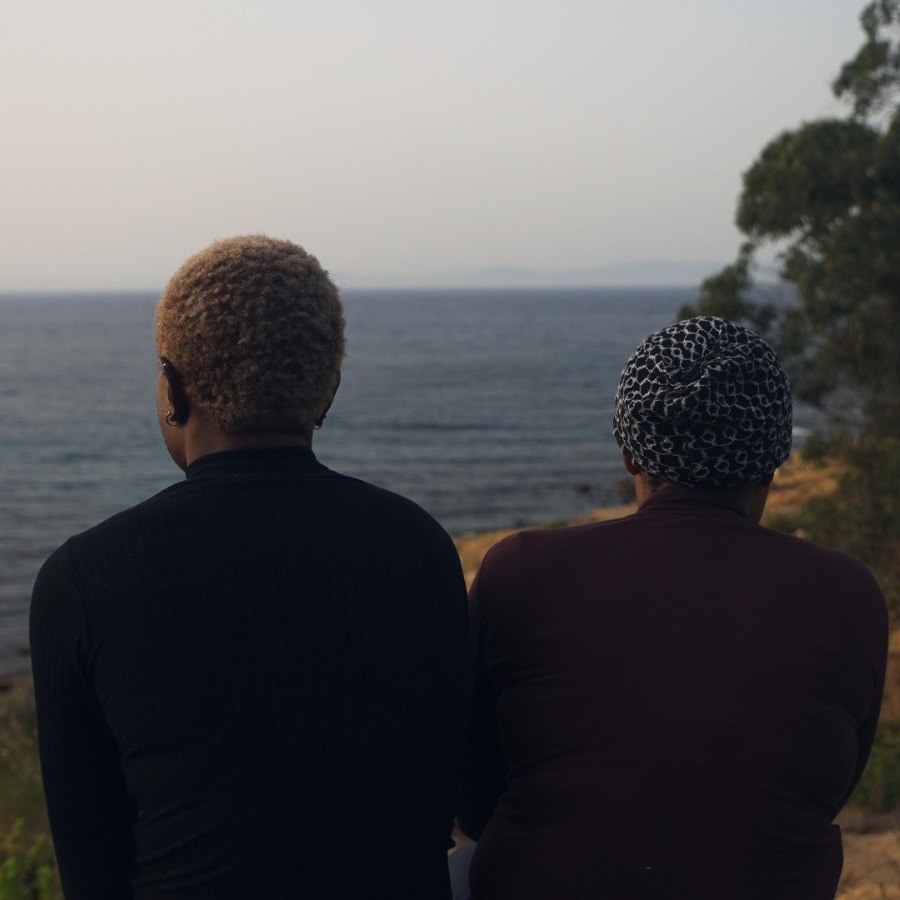
© No U-Turn
After the screenings, corresponding film directors take part in in-depth Q&A sessions with the audience. Discussions focus around why they chose the story they told, the approach they used and any limitations they faced: whether artistically or geographically.
What I love most about this film screening series is the intensity of the conversations we have after showing the film. The audience’s questions and remarks strike me as both thoughtful and compassionate,” – Cristina Nord, Director of the Goethe-Institut Kenya.
She continued, “For the filmmakers, the warm and informed response to their work often triggers a wealth of new ideas and emotions. It is such a rewarding experience!”
First Screening of Kamera Kwanza 2026
The first screening this year is on 25 February and features Zippy Kimundu’s Widow Champion (2025), a film which highlights the plight and resilience of Kenyan women amid a patriarchal society. In the film, resilient Kenyan widow Rodah Nafula, thrown off her land by her in-laws, transforms into a fierce advocate for women’s land rights in a highly patriarchal community, depicting the tension between an ingrained culture and a rapidly evolving world in her quest to empower other women.
The film was selected for the Tribeca Film Festival 2025 in New York where it had its world premiere. Widow Champion was also premiered in Nairobi on October 23, 2025, in partnership with the Kenya Legal and Ethical Issues Network on HIV (KELIN) and Afro Films International. Like earlier films in the series, this film brings into focus specific local cultures across Africa and the complex emotions that emerge from them.
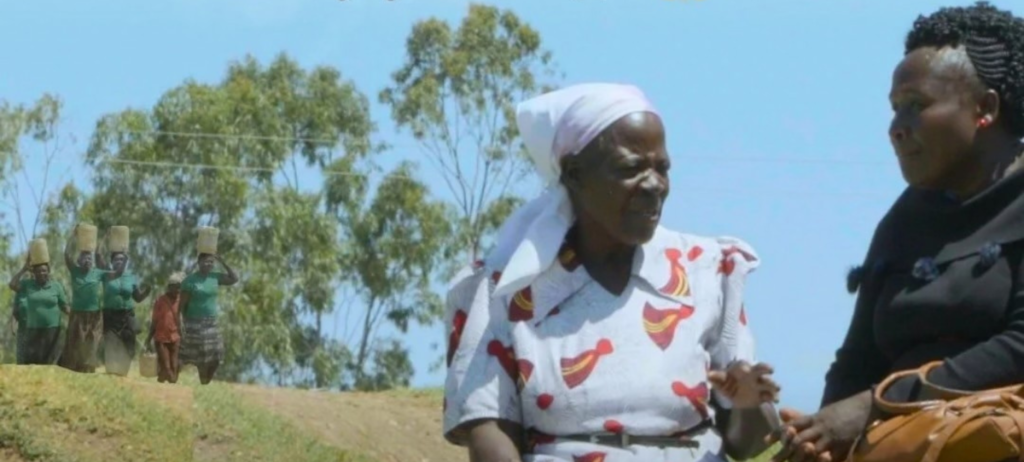
© Widow Champion
Zippy Kimundu is an award-winning Kenyan filmmaker who has been working in the global industry for over a decade and in more than 20 countries as an editor, director, and producer. Her highly acclaimed debut feature documentary Our Land, Our Freedom, that she co-produced and co-directed, had its world premiere at International Documentary Film Festival Amsterdam (IDFA) in 2023, and continues to screen internationally. Zippy is the founder of Afrofilms International, a production company and creative collective working to ignite political consciousness and action across continents.
Kamera Kwanza has also announced its next screening: Dahomey (2024) by Mati Diop, winner of the Golden Bear – the highest prize for Best Film at the Berlin International Film Festival.
Set in November 2021, the film follows the return of 26 royal treasures of the Kingdom of Dahomey from Paris to their country of origin, present-day Benin. Plundered by French colonial troops in 1892, the artefacts’ long-awaited homecoming sparks urgent debate, particularly among students at the University of Abomey-Calavi, about how a nation reckons with the return of ancestors taken in its absence. Dahomey is scheduled to screen on 25 March, 2026.


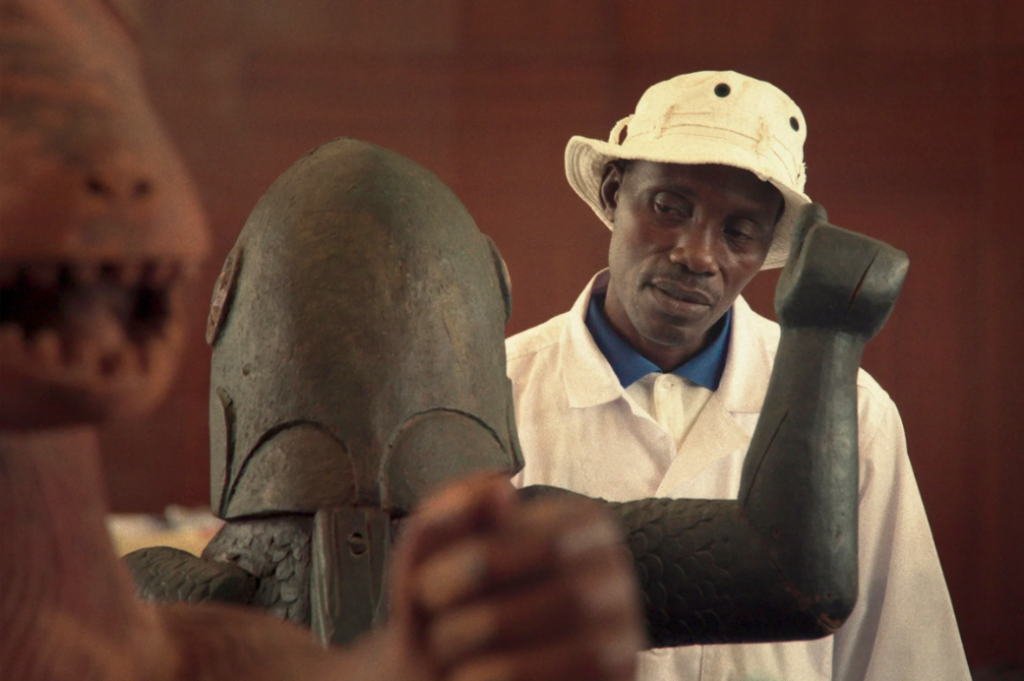
‘Dahomey’, by Mati Diop (© Les Films du Losange)
We can expect the series to continue through 2026, as Mbogo has elaborated: “Through our collaboration with the Goethe-Institut, we are nurturing a consistent and welcoming space where stories from across the continent can be encountered, reflected on, and understood with greater depth. The screenings, filmmaker conversations, and learning opportunities that surround them invite us to engage with film not simply as spectators, but as thoughtful participants in the cultural and creative life of our region.”
Kamera Kwanza additionally seeks to continue to provide an educational, entertaining and inspirational platform. As such its offerings appeal to film lovers, filmmakers and cultural enthusiasts alike.
Occasionally, in-depth filmmaking masterclasses are offered to selected filmmakers in Kenya. These masterclasses are conducted by film directors whose films have screened. Zippy will conduct her masterclass after this month’s screening, following an open call for filmmakers to apply. The film directors’ one-on-one engagement with a small group of participants promotes effective co-learning. These sessions involve sharing valuable expertise which are applied through solving practical challenges during the programme
About Docubox
The East African Documentary Film Fund is an organization committed to catalyzing impactful storytelling across East Africa. Docubox stands as a pillar of support for African filmmakers, offering not just film grants but also creating a nurturing environment for creativity to thrive. In their decade-long journey, Docubox has funded over 100 films, including feature documentaries, short-form documentaries, and short fiction films.
About the Goethe-Institut
The Goethe-Institut is the Federal Republic of Germany’s cultural institute, active worldwide. It contributes widely to the promotion of artists, ideas and works. In Nairobi, the Goethe-Institut connects with partners across the country to foster Kenyan-German cultural and educational exchange through cultural projects and trainings, co-productions, school collaborations, information and knowledge platforms as well as German language teaching. https://www.goethe.de/ins/ke/en/index.html