

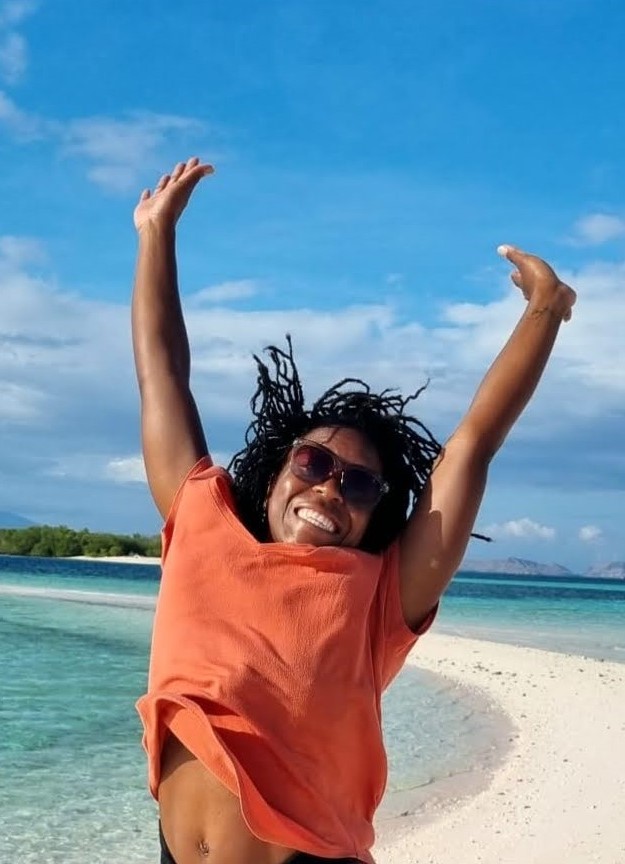

In Conversation With Alice Tenjiwe Kabwe
Dance Practitioner | ZOCA Instructor based in Kilifi, Kenya
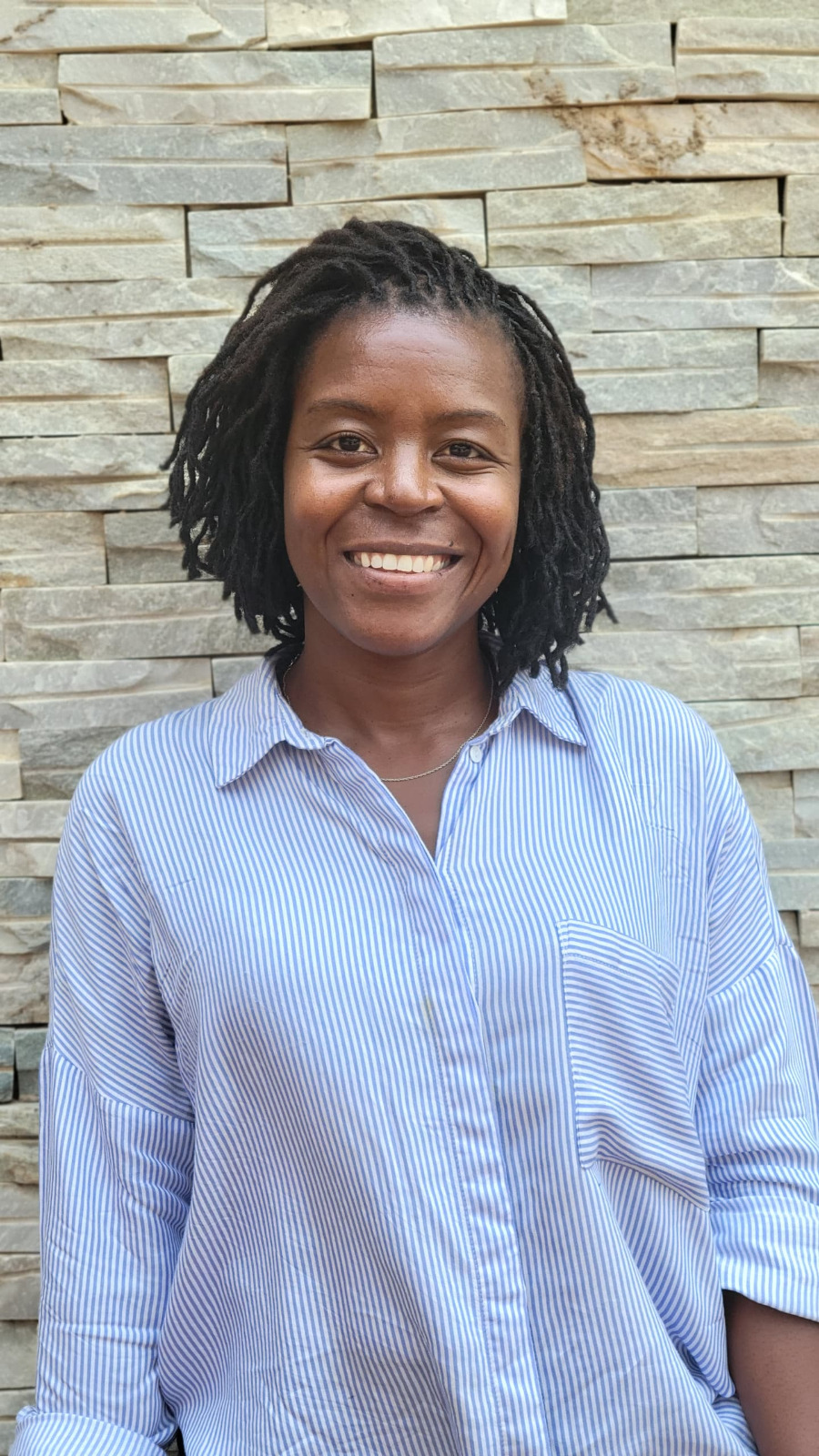
By the time you meet Alice Tenjiwe Kabwe in Kilifi, it is clear that movement is not simply something she teaches — it is something she inhabits. With 20 years of practice and a lifetime shaped by rhythm, relocation, and reclamation, Alice’s work sits at the intersection of dance, fitness, healing and homecoming.
From Lusaka to Boston to the Kenyan coast, her journey has been carried by music.
Here is our full conversation.
For readers encountering your work for the first time, how do you describe your practice and the need it responds to?
“ZOCA Dance Fitness — Zambia’s Own Caribbean & African Dance Fever — is a dance workout that blends the vibrant energy of Caribbean carnival with the rhythm of Afrobeats,” Alice explains.
“It’s movement that travels from the streets of Trinidad and Tobago to the nightclubs of Zambia, all in one class.”
The sessions are dynamic and athletic — building strength, endurance and muscle tone — but the physical results are only part of the story.
“Just as importantly, it builds confidence and a healthier relationship with your body,” she says. “No dance experience is necessary — just a willingness to show up and move.”
A certified ZOCA instructor since 2012, Alice designs her classes as inclusive spaces.
“My classes are for every body to find a moment of freedom, connect to themselves, and have a genuinely great time doing it.”
What personal or professional journey led you into this work?
Movement has been part of Alice’s life since the age of five, when she began ballet in Lusaka, Zambia.
“Dance was where I felt most alive,” she says. “But not always where I felt I belonged.”
At nine, she moved to the United States and stepped away from dance for a period. As a teenager, she reclaimed it — this time across multiple styles: hip hop, Afro Jazz, Sabar, Step dance and Rhumba.
She continued dancing through high school and college. After graduating, she joined semi-professional dance companies in Boston — Rainbow Tribe, Beat Tree and a Congolese Rhumba band.
“When I discovered ZOCA Dance, it felt like coming home,” she says. “The freedom, the energy, the pure joy I had always craved — with no barriers.”
Yoga entered her life later, almost unexpectedly.
“I stumbled into it casually and eventually realised how deeply I needed those quiet, intentional moments on my mat.”
Both ZOCA and yoga have since become anchors in her life — one expressive and expansive, the other grounding and still.
How long have you been practising, and how has your work evolved?
While Alice formally describes 20 years of practice, movement has in fact been woven through her life for over three decades.
“What began as physical fitness and fun became something far more personal,” she reflects.
Through major life transitions — including two pregnancies — dance and yoga became tools of reconnection.
“Zoca Dance and yoga were instrumental in helping me reconnect with my body and learn to love her again.”
Over time, she has grown stronger, more flexible and more fearless — on and off the mat, on and off the dance floor.
Her practice now holds space for joy and sweat, but also for stillness and emotional return.
What does a typical session with you involve?
A ZOCA Dance session begins with a warm-up before gradually layering rhythmic movement to music that “gets into your bones.”
“It’s sweaty, joyful and freeing,” she says.
Energy builds collectively in the room, but the atmosphere remains non-judgmental and welcoming. Participants are encouraged to move at their own level.
“There is no expectation other than showing up as you are.”
By the end, students often leave feeling more connected — not only to themselves, but to each other.
Who is your work most effective for?
“ZOCA Dance Fitness is for everybody and every body,” Alice says firmly.
It is designed for complete beginners, people returning to movement after a long break, seasoned dancers, and anyone who simply wants to feel good in their body again.
The emphasis is not performance. It is presence.
How do you define wellness, particularly within an African or Kenyan context?
“For me, wellness is wholeness,” she says. “The feeling of being at home in your own body and at peace in your own life.”
Within an African context, she believes wellness is deeply communal and embodied.
“We have always known how to move. Movement is in our celebrations, our rituals, our grief, our joy.”
Wellness here is not separate from life. It is life. It is how communities gather, how they celebrate, how they mourn and how they care for one another.
“My work is, in some ways, a return to that knowing,” she explains. “An invitation to remember that your body is not something to be fixed or perfected, but something to be inhabited and celebrated.”
How does your practice support local communities?
Accessibility is central to her work in Kilifi.
Her regular classes are priced at Ksh 500, with consistent free community offerings to ensure movement remains available to as many people as possible.


“Everyone deserves a space where they feel seen,” she says. “Where movement feels like joy rather than obligation.”
By creating welcoming spaces along the coast, she is building not just fitness classes — but community.
What are common misconceptions about your work?
“People sometimes assume ZOCA is only for experienced dancers or for people with a particular body type,” she says.
“It is absolutely not.”
ZOCA, she repeats, is for everybody and every body.
What shifts have you observed in people over time?
Physically, participants grow stronger and more flexible. But the deeper shifts are what stay with her.
“I see people begin to trust their bodies again.”
Confidence that begins on the dance floor slowly migrates into daily life — into posture, voice, relationships and self-perception.
She has witnessed movement become a lifeline for people navigating grief, burnout and identity shifts.
“Over time, people develop a kind of inner steadiness,” she says. “They find what I found: that returning to your body is one of the most reliable ways to return to yourself.”
For someone at the beginning of their wellness journey, where should they start?
“Start with one intentional movement moment a day,” Alice advises. “Even five minutes.”
It does not have to be a full class or a perfect practice.
“Put on a song that makes you feel something and let your body respond.”
Small moments of movement can begin a much larger reconnection.
Before we part, she adds one final invitation.
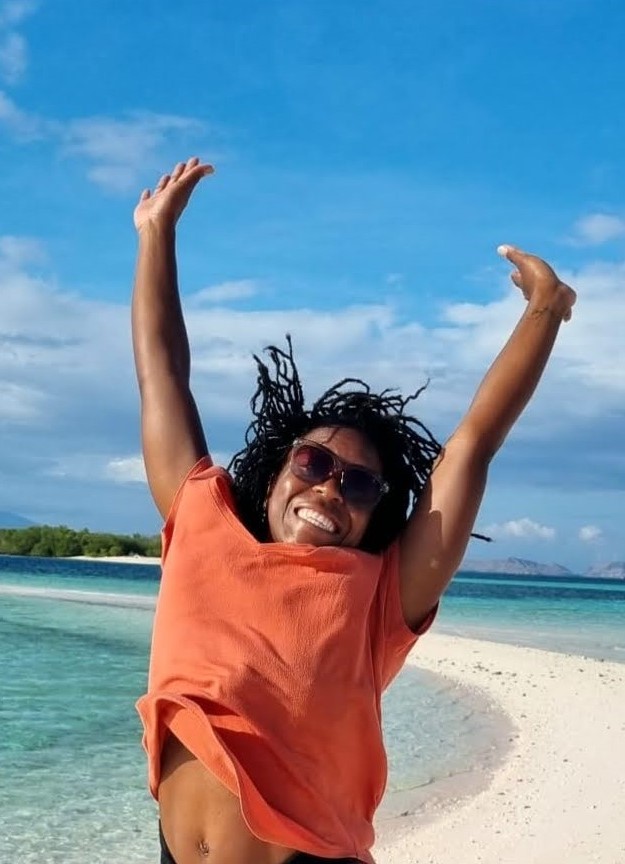
“There is something about moving by the coast that feels especially alive,” she says with a smile.
Whether you come to a yoga session for quiet and space, or a ZOCA Dance class to sweat and let loose with a crowd, she promises the same thing:
“You will be welcomed exactly as you are. My hope is that you leave feeling more connected to your body and a little more in love with it. Come find me — I’d love to move with you.”
In Kilifi, rhythm meets the sea — and Alice Tenjiwe Kabwe is holding space for both.
