


With the Kilifi Wellness Festival coming up, iN Nairobi would like to introduce you to some of the wellness practitioners who will be teaching there. Today we catch up Katie Cosgrave.
__________________________________________________
Ahead of the Kilifi Wellness Festival, we sat down with Katie to talk about her work, her journey into bodywork, and what healing really looks like when you step away from quick fixes and start listening to the body.
Let’s start at the beginning. For someone discovering your work for the first time, how do you usually explain what you do?
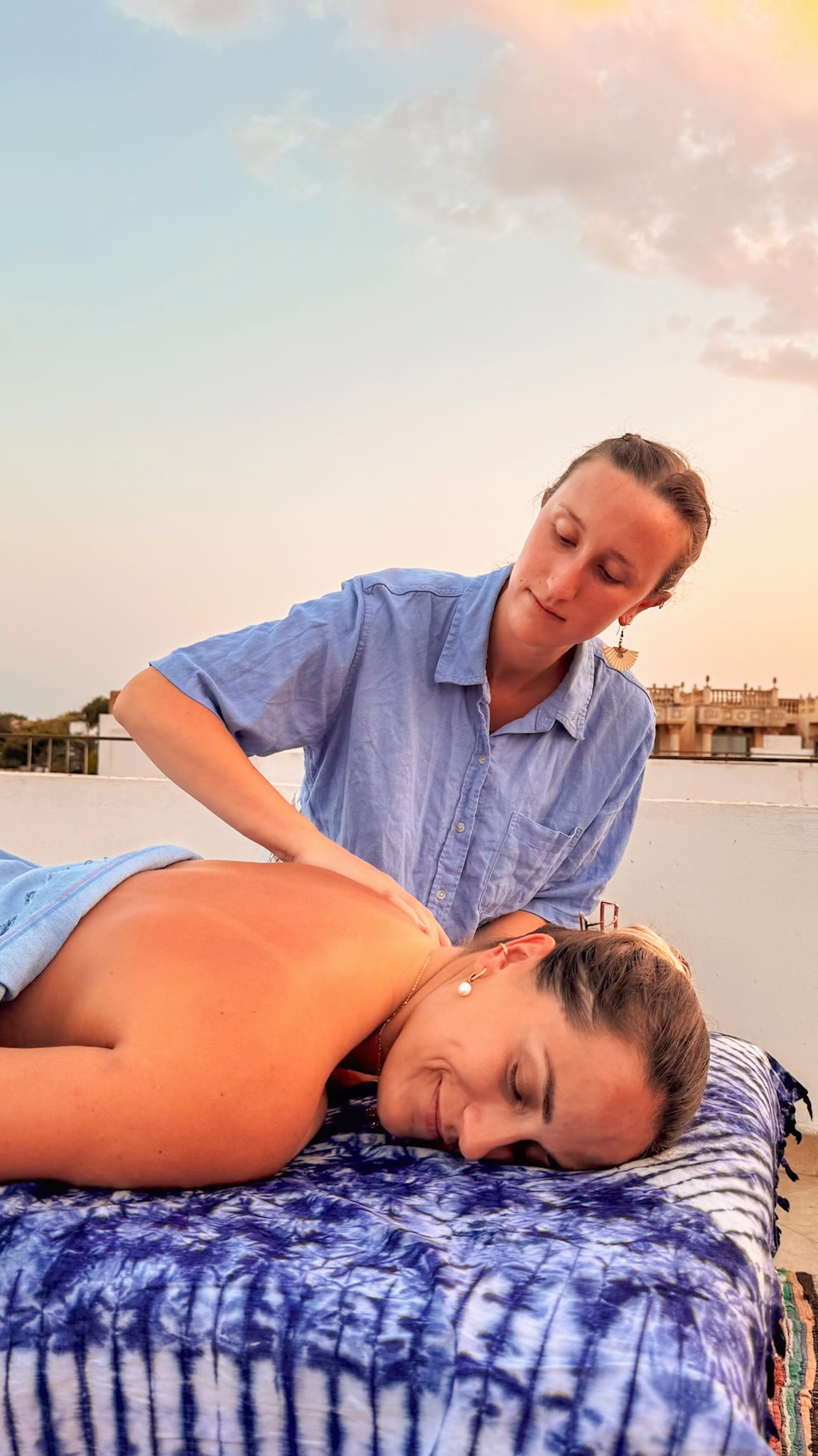
I work with Ayurveda therapeutic massage, Ayurveda yoga massage, and Shiatsu. I know those words can sound a bit abstract if you’re new to holistic therapies, so I always like to break them down.
Ayurveda comes from India and it’s a really old, holistic healing system. The massage I practise is a mix of Abhyanga and Marma therapy. It’s slow, rhythmic, and quite deep, and it uses very little oil. The intention is to work into the muscles, release tension, and help the body let go of deeper impurities. I also work with marma points throughout the session. It’s extremely therapeutic, and while it can feel calming, it’s definitely not a light spa massage.
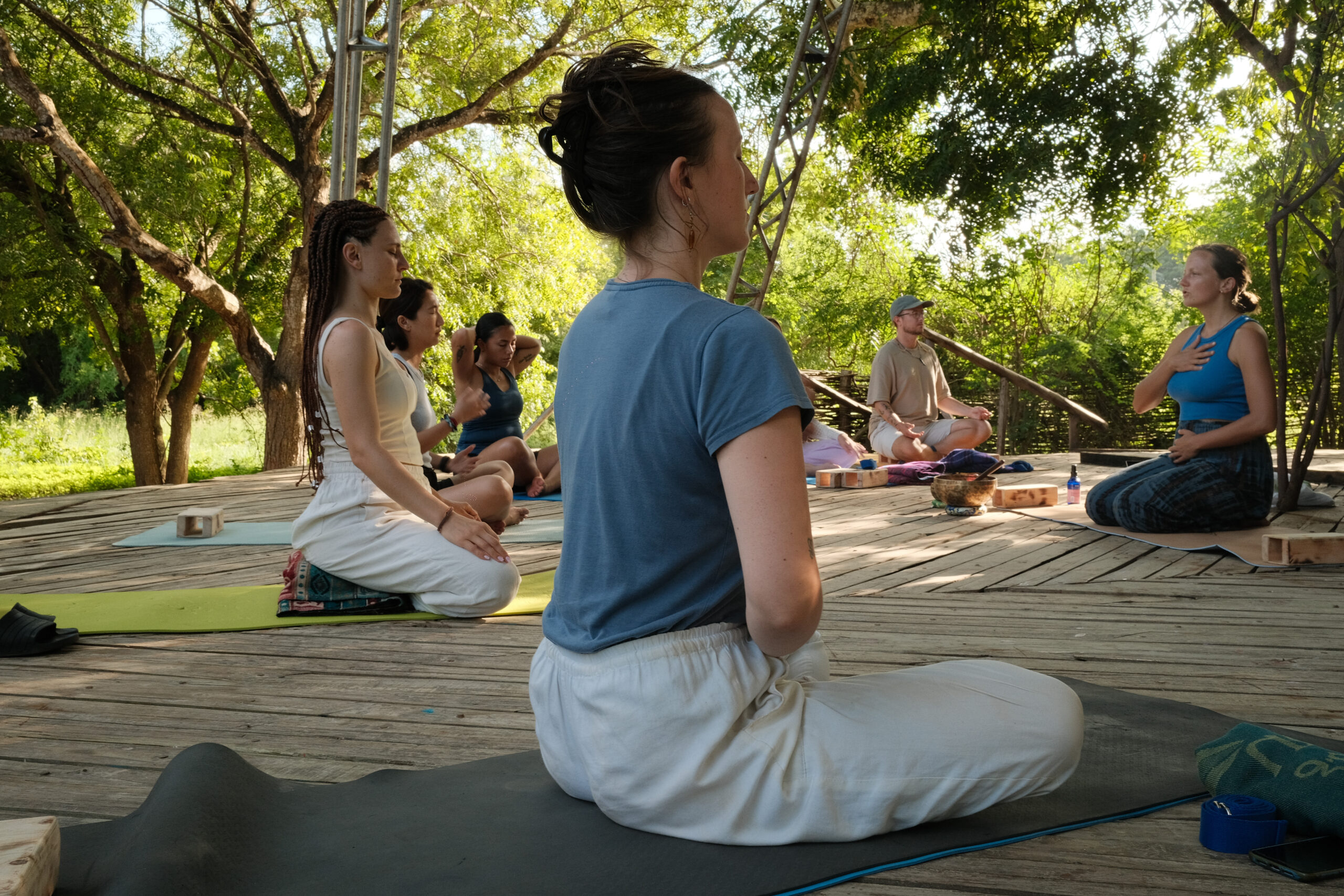
Ayurveda yoga massage is similar, but it’s done on the floor. I massage into tense areas and then guide the client into yoga poses to open the body further. It’s very hands-on and quite intense, but incredibly effective, especially for people who are already moving their bodies a lot or feel very tight.
Shiatsu is different again. It’s a Japanese bodywork practice and more modern than Ayurveda. I use thumbs, palms, and sometimes even my feet to apply pressure along energy channels in the body. It’s deeply relaxing and really good for people who feel exhausted, emotionally overwhelmed, or like they just need to reset.
It sounds like something you were always drawn to. How did you personally find your way into this work?
Honestly, I knew from quite a young age that I’d end up doing something holistic. I started yoga when I was 15, and as a teenager I was already reading about Ayurveda and different healing therapies.
There was one moment that really confirmed it for me. My mum once had intense pain in her leg and could barely move. I sat with her, guided her breathing, and applied pressure where she felt pain. Afterwards, she stood up and walked easily. That experience just felt right in my body. It made everything very clear.
When I was 19, I left Ireland and basically never went back. I travelled a lot and eventually ended up in India, where I met my first guru, Ranjeet. He had over 30 years of experience and gave me a really solid, traditional training in Ayurveda therapy. That time shaped the foundation of everything I do now.
You’ve been practising for a while now. How has your work changed over the years?
I’ve been practising for seven years, and it’s constantly evolving. As a bodyworker, you never stop learning. Every person you work with teaches you something new. You can study as many modalities as you like, but experience is always the greatest teacher.
What actually happens in a session with you? What should someone expect?
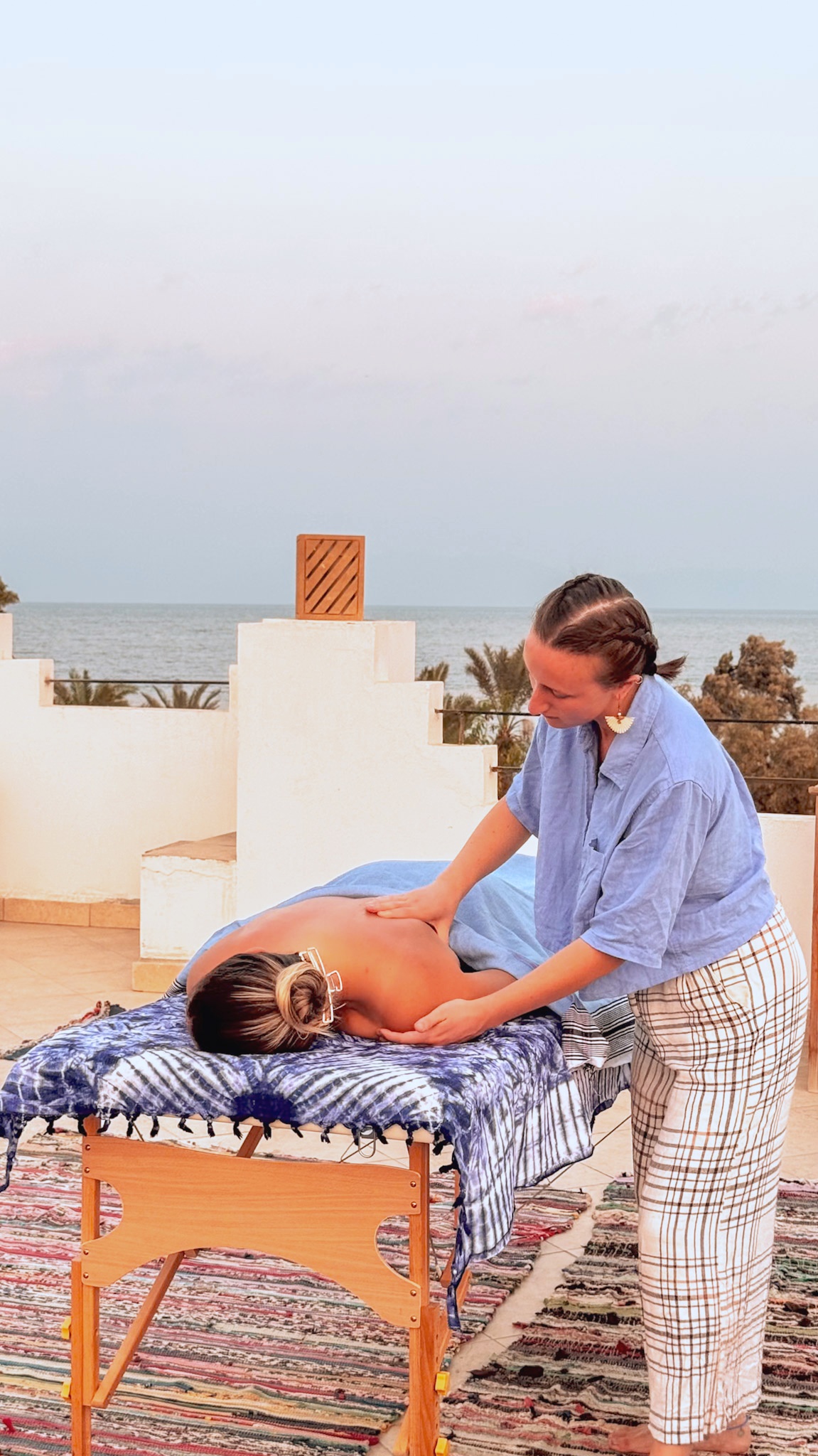
It depends on the treatment, but I always start with a short check-in. Then we move either to the massage bed or the floor. I really focus on creating a space where the client feels safe and comfortable.
Throughout the session, I gently remind people to breathe. Breath is everything. When someone is breathing deeply, their body can do what it already knows how to do, which is heal. The more present someone is, the more effective the session becomes.
Who tends to benefit most from your work? And are there people it’s not suited for?
My work is generally suitable for most people. At the moment, I don’t offer sessions for children or pregnant women, but that’s something I’m hoping to expand into soon.
You’re also doing training work in Kenya. Can you tell us a bit about that?
Yes, that’s a really important part of what I’m doing right now. I’m running Shiatsu training programmes alongside a Kenyan practitioner who has over 25 years of experience and trained in Japan at the Kanagawa Hiratsuka School for the Blind.
At the moment, we’re doing one-on-one training, but the long-term goal is to expand and eventually train visually impaired students here in Kenya. That’s something I feel very strongly about.
What’s one of the biggest misunderstandings people have about bodywork and healing?
Probably the idea that one session will fix everything. People often think I have magic hands and that’s just not how healing works. We’re so used to quick fixes and instant relief, but the body doesn’t operate that way.
Someone might feel amazing after a session and then go straight back to sitting at a laptop all day with poor posture and very little movement. When the pain comes back, they’re confused. If nothing changes in your lifestyle, the body just keeps repeating the same patterns.


Healing doesn’t mean adding more things to your life. Very often, it’s about removing what’s toxic, whether that’s physical, environmental, or even mental.
When people commit long-term, what kind of changes do you see?
The shifts can be really profound. I’ve seen emotional releases, physical healing, and people finally letting go of injuries or pain they’ve carried for years. When someone comes regularly and also does the work outside the session, the changes are undeniable.

For someone just starting their wellness journey, what’s a realistic place to begin?
Start with elimination. Ask yourself what in your life is actually supporting you and what isn’t. Look at processed foods, chemicals in cleaning products and cosmetics, screen time, and the environments you spend time in.
You don’t have to change everything at once. Just identify what you can begin removing now and what you can work towards slowly. Knowing what you put into your body and onto your skin is incredibly important.
And one last piece of advice I give nearly everyone, get onto the floor more. You don’t have to throw out all your furniture overnight, but sitting on the floor naturally makes you move, stretch, and shift positions. Chairs allow us to stay comfortable in bad posture for hours. The floor keeps the body alive and mobile.
Katie will be bringing her grounded, no-nonsense approach to healing to the Kilifi Wellness Festival, inviting people to slow down, tune in, and remember that real wellness is built over time, not in a single session.
