

The Blind Couple from Mali is a Love Story First, a Music Documentary Second
The Blind Couple from Mali screens at Unseen Nairobi through the end of June. You should go. Take someone you love.
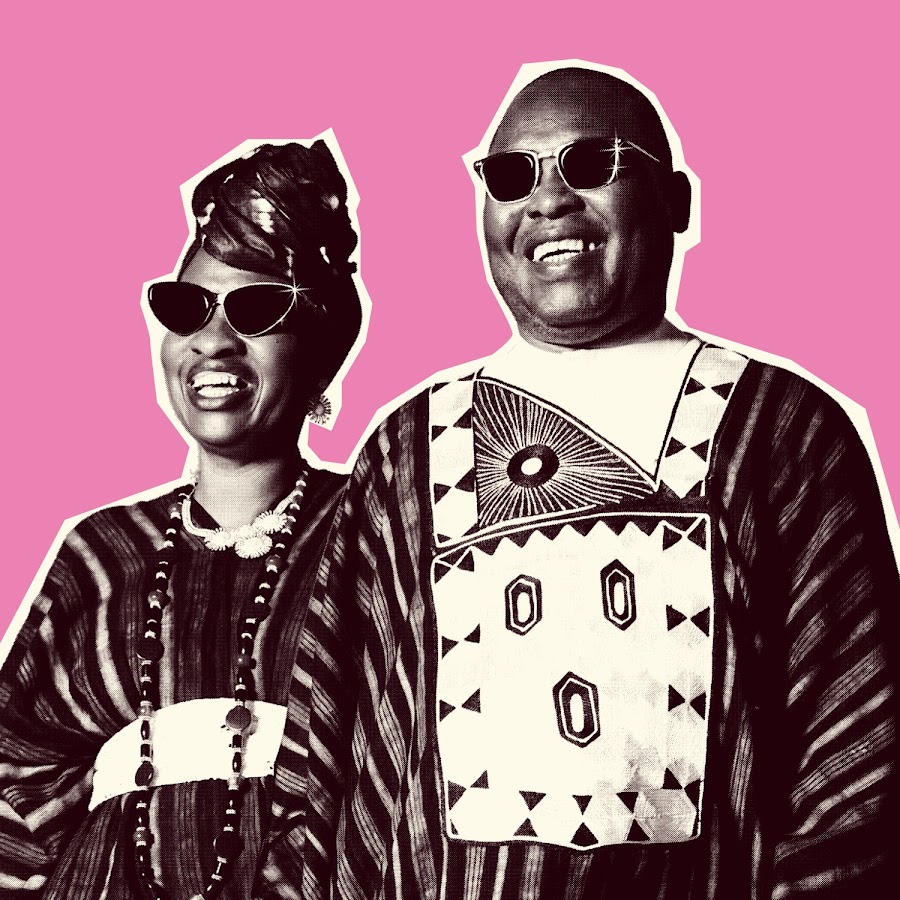
Amadou Bagayoko died in April 2025, aged 70. The film tells you this in its opening minutes, which means you spend the next 88 watching a man who is already gone — in a studio, on a stage, in the streets of Bamako, laughing with his wife. It is a strange and affecting way to meet someone.
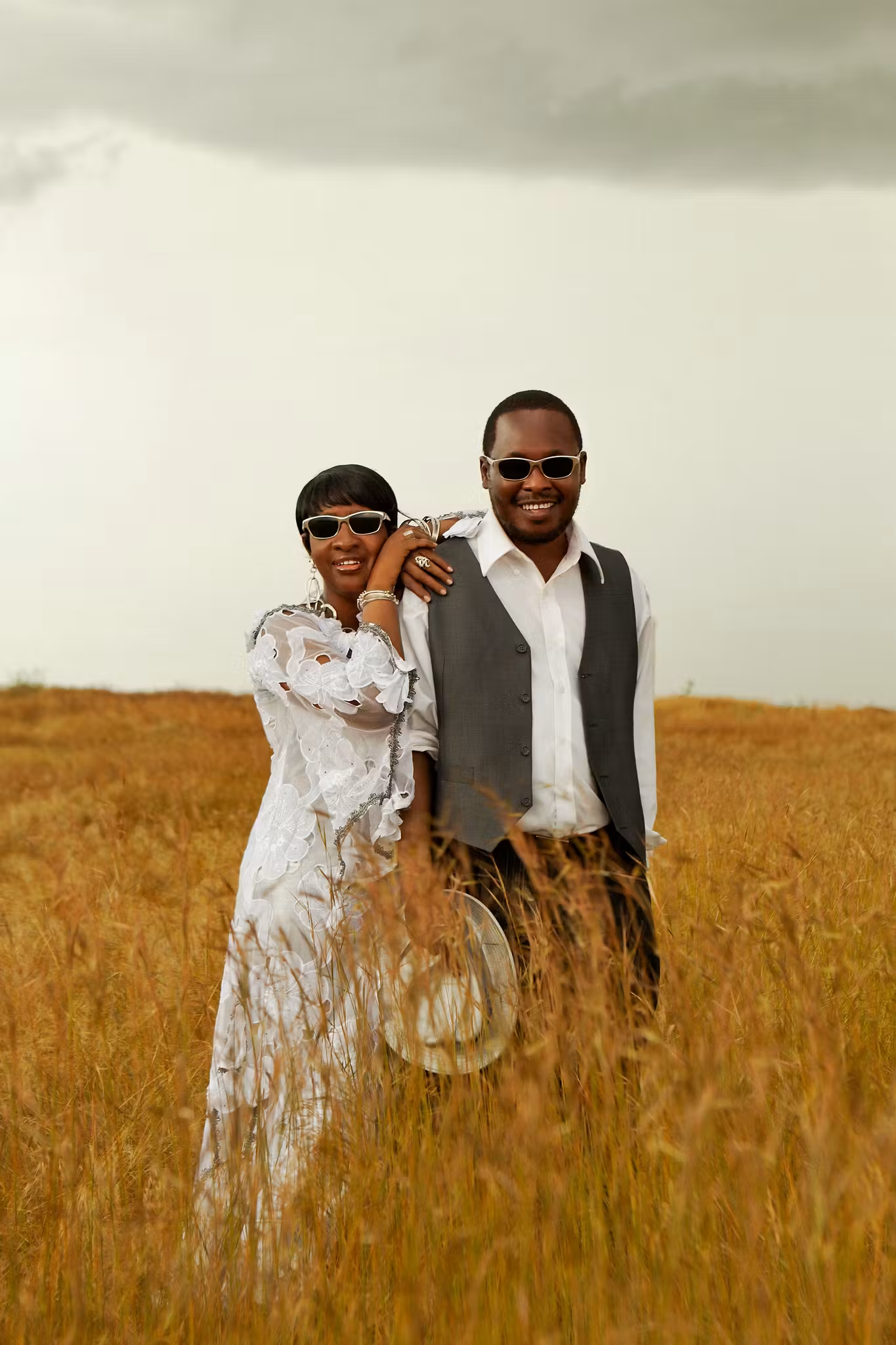

Ryan Marley’s documentary follows Amadou and Mariam as they travel between Paris, Spain, and Mali to record what would become their final album. The structure is familiar enough: archival footage, talking heads, performance sequences, the slow build toward a homecoming concert. What lifts it out of the standard music doc format is the couple themselves. Amadou and Mariam are not easy subjects to sentimentalise. They are too funny, too sure of themselves, too obviously in love with each other and with the work. The film keeps trying to tell you they are icons and they keep just being people, which is the more interesting story.
Both lost their sight young. They met at the Institut des Jeunes Aveugles in Bamako and began making music together, and then kept doing it for fifty years. That’s the spine of the film — not the Grammy nominations or Glastonbury or Dimanche à Bamako going platinum in France, though all of that is here. It’s the fact of two people who found each other and never stopped. Damon Albarn is in it. Chris Martin is in it. Manu Chao, Vieux Farka Touré, Tiken Jah Fakoly. They are all clearly genuine fans and their testimony adds weight, but none of them are the point.

The film is at its best in Mali. Marley shot across 2021 to 2023, during a period of real political fracture — jihadist groups had been systematically banning music across parts of the country, which in Mali is not a peripheral act of repression but a strike at something foundational. The homecoming concert carries that weight without the film ever turning didactic about it. The music does the argument.
Some critics have noted the film stays a little surface-level — that it doesn’t push hard enough on the political context, that most of the talking heads are Western, that there was more to excavate. Those are fair points. This is a warm film, not a probing one, and there are moments where warmth tips into something slightly promotional. But those criticisms land softer now that Amadou is gone. What we have is a record of him. Of them. Of what they sounded like finishing a sentence together after five decades.


For Nairobi audiences, there is also something specifically resonant about watching a film that takes West African music seriously on its own terms — not as backdrop, not as colour, but as the whole story. Amadou and Mariam built something that connected Bamako to Glastonbury without explaining itself or softening its edges, and the film, at its best, understands that.
The Blind Couple from Mali screens at Unseen Nairobi through June. Check the Unseen Nairobi socials for showtimes.
https://mookh.com/event/amadou-mariam-sons-du-mali