



Palestine 36: Reclaiming a Year That Refuses to Stay in the Past
A Historical Drama Reframing the Roots of Modern Palestine

The year 1936 rarely commands the attention it deserves. Overshadowed by later wars and louder turning points, it is often treated as prelude rather than event. Palestine 36 insists otherwise. Set against the backdrop of the Arab Revolt during the British Mandate, the film brings that moment into sharp, unsettling focus, not as distant history, but as lived experience.
Rather than approaching the period through abstraction or ideology, the film grounds itself in the everyday textures of Palestinian life. Villages, streets, homes, and conversations form the emotional core of the story, as ordinary people navigate the mounting pressures of colonial rule, political uncertainty, and social fracture. The sweep of history is present, but it is filtered through personal consequence.
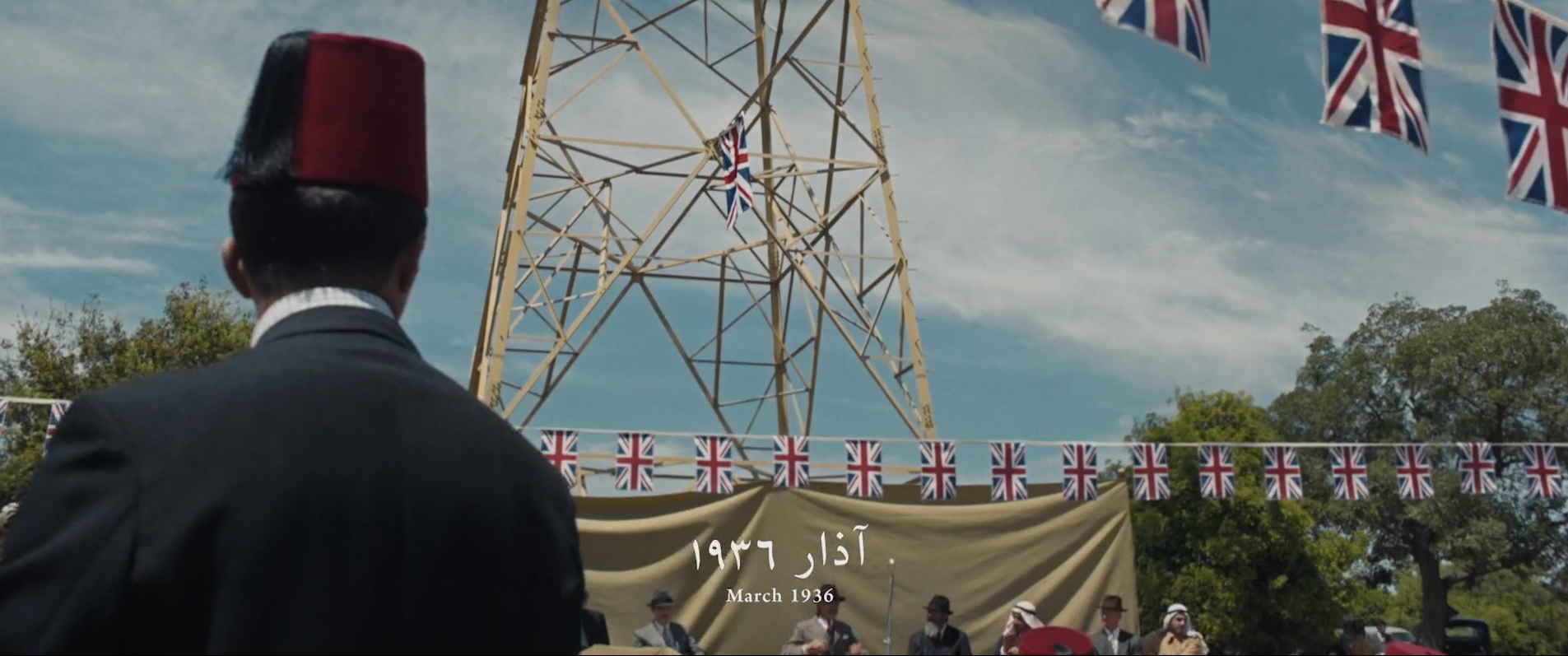
At the heart of Palestine 36 is a sense of moral and political compression. British authority tightens its grip through law, force, and bureaucracy, while resistance grows unevenly and at great cost. The film resists the temptation to flatten this struggle into a singular narrative. Instead, it presents a society grappling with internal divisions, competing strategies, and the heavy burden of survival under an imposed order.
The ensemble cast — featuring Hiam Abbass, Kamel El Basha, Yasmine Al Massri, Saleh Bakri, and international stars like Jeremy Irons and Liam Cunningham — brings layered humanity to a historical moment too often reduced to abstract geopolitics. The performances are anchored in lived experience, emphasizing the emotional and moral pressures facing individuals as colonial structures and nationalist sentiments collide.
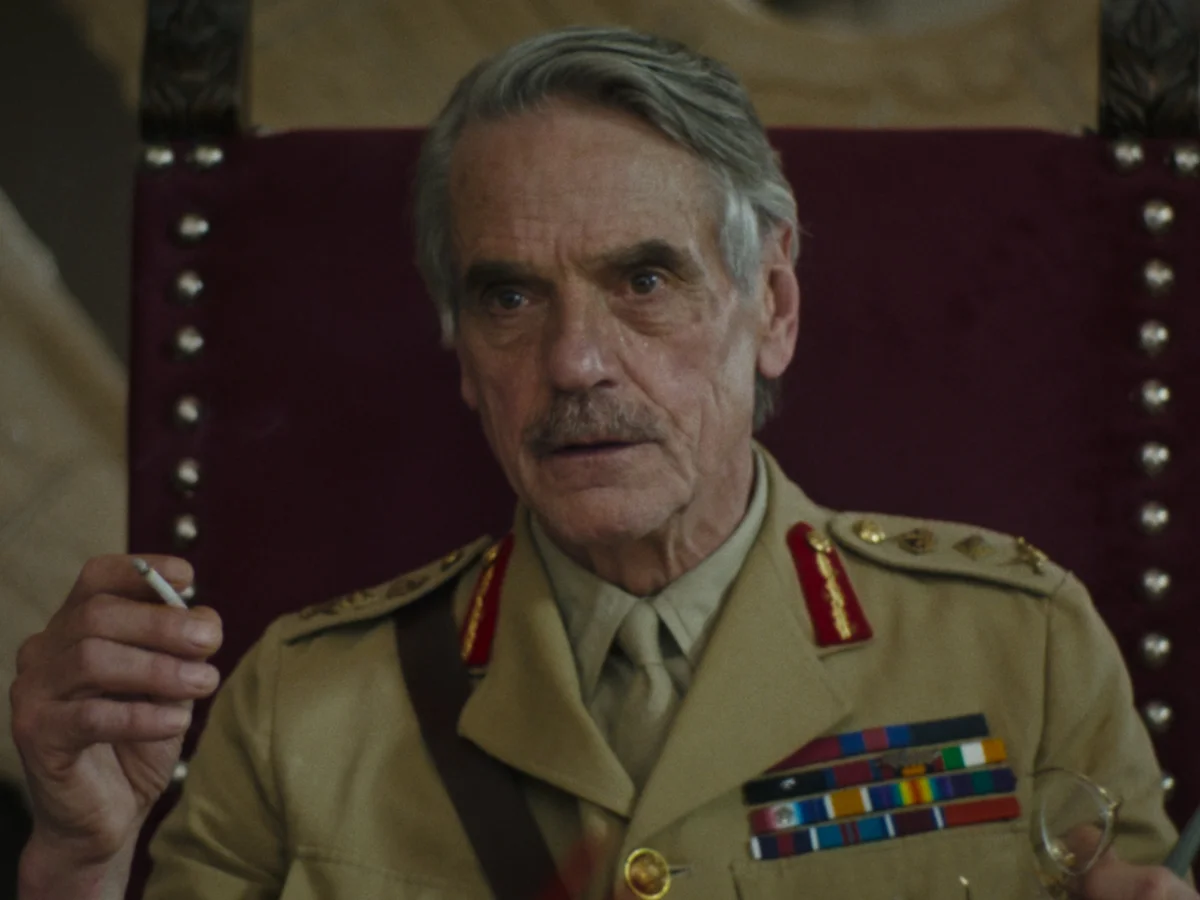
What gives the film its weight is its refusal to simplify. Resistance is not romanticised, nor is it reduced to inevitability. Choices carry consequences. Compromise sits uneasily beside defiance. Leadership is contested, and unity remains fragile. In this complexity, Palestine 36 finds its authority, offering a portrayal of history that feels neither didactic nor defensive.
Visually, the film is deliberate and restrained. Period detail is carefully rendered without spectacle, allowing atmosphere to emerge organically rather than overwhelm the narrative. The camera lingers where it needs to, attentive to gesture, silence, and the slow accumulation of tension. This is a film that trusts duration, inviting the viewer to sit with discomfort rather than rush toward resolution.
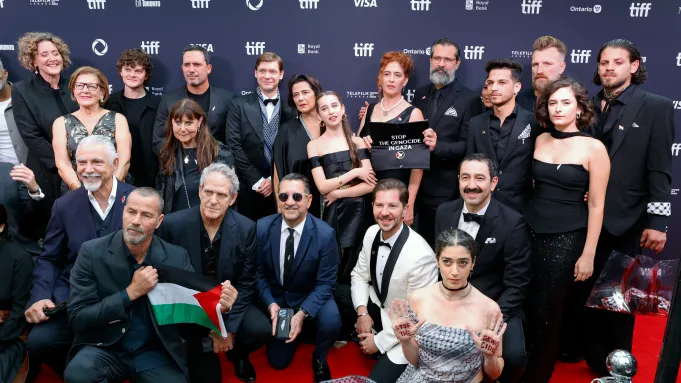
The film premiered to acclaim at the 2025 Toronto International Film Festival, earning a lengthy standing ovation, and has won international distinction such as the Grand Prix at the Tokyo International Film Festival. It was also selected as Palestine’s official submission for the Best International Feature Film at the 98th Academy Awards.
Watching Palestine 36 today, its relevance is unmistakable. Yet the film does not rely on contemporary parallels to make its case. Instead, it demonstrates how the present is shaped by earlier decisions, policies, and failures of imagination. The conflicts that dominate headlines are shown to have roots that were already deeply entangled nearly a century ago.
More than a historical drama, Palestine 36 is an act of reclamation. It restores visibility to a formative moment too often marginalised, and it does so without spectacle or sermon. The result is a film that deepens understanding rather than demanding allegiance, and that lingers long after the final frame.
In revisiting 1936, Palestine 36 reminds us that history is not static. It is contested, remembered unevenly, and carried forward in ways both visible and unseen. This film does not offer closure. It offers clarity, and in doing so, asks the viewer to reckon with how much of the present was already written then.
SCREENING WEDNESDAY 18TH FEBRUARY, Bao Box, NAIROBI


WATCH THE TRAILER
Film Screening
Presented by the Palestinian Art Festival in collaboration with Tribal Gallery
PALESTINE 36
As Palestinian villages revolt against British colonial rule, Yusuf navigates between Jerusalem and his rural home amidst escalating unrest and a pivotal moment for the British Empire. The movie shows this lesser- known but crucial history that informs continued Palestinian resistance.
Winner of multiple international awards and shortlisted for the Oscars 2026 – Best International Feature (Palestine).
Bao Box (Gen. Mathenge Drive, Westlands)
Wednesday, 18 February
6:00 PM – Arrival
7:00 PM – Screening
Tickets: KES 1,500
https://mookh.com/event/
 All proceeds will be donated to organizations in Gaza.
instagram.com/palestinian.art.
