

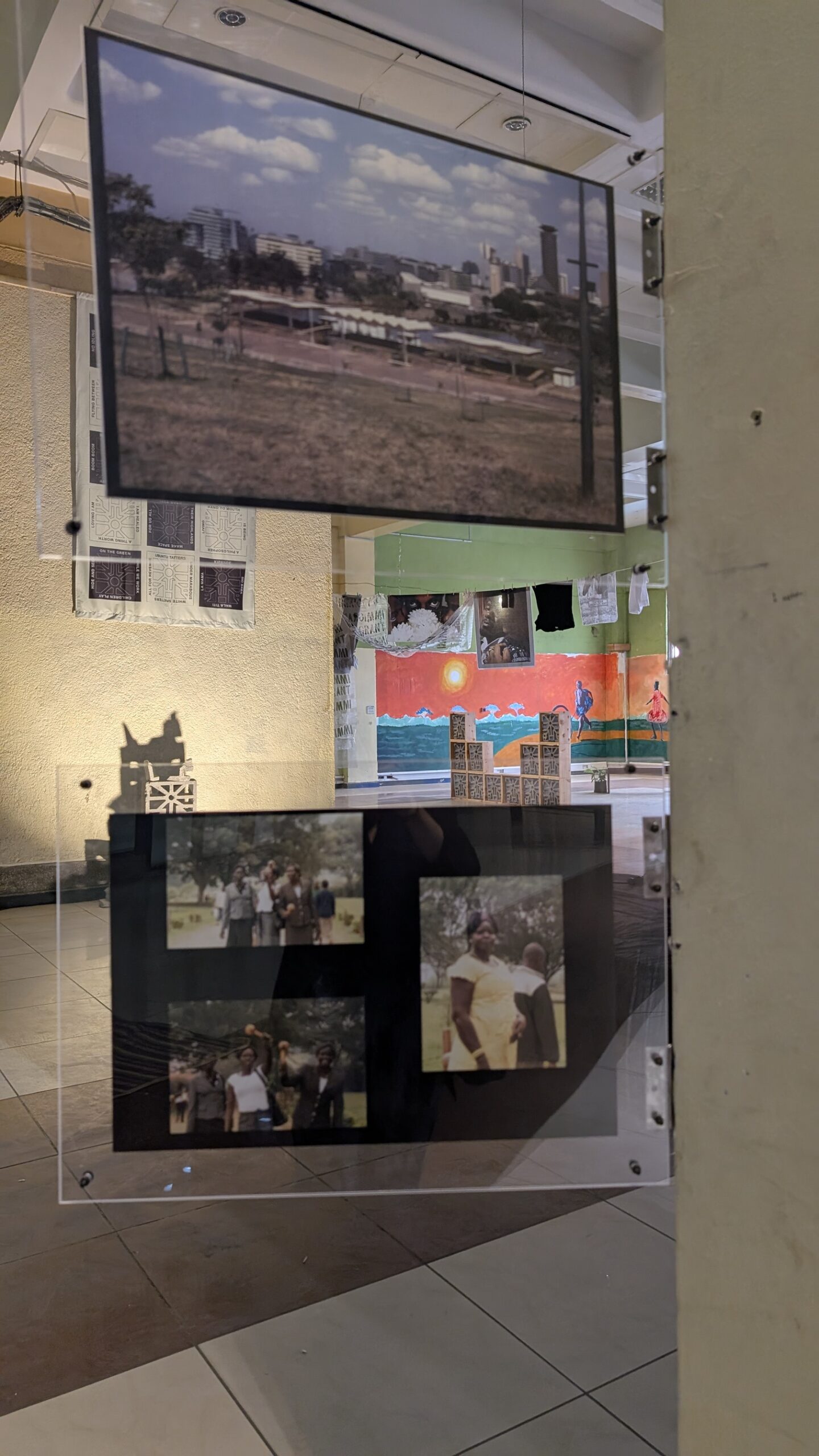

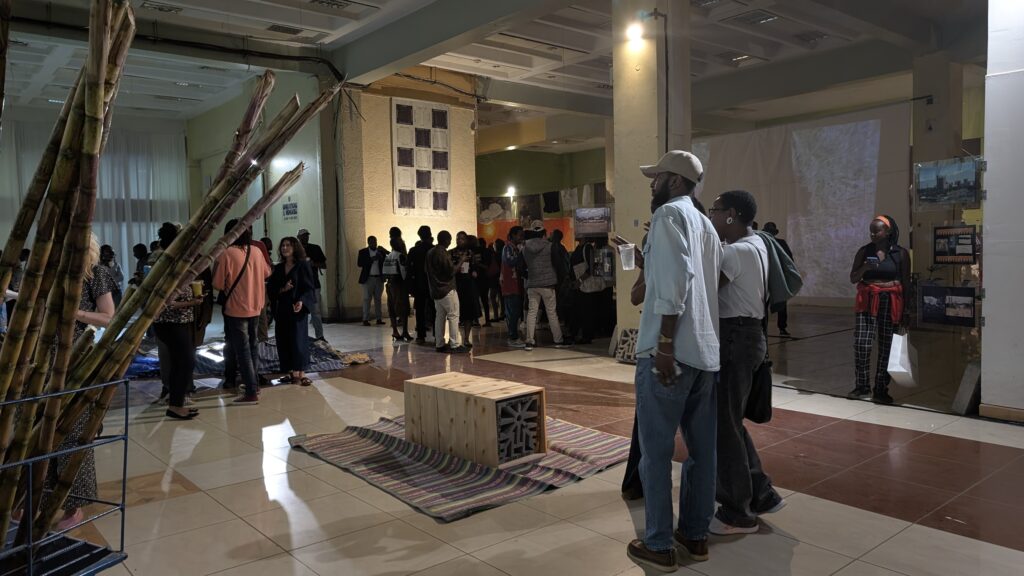
An ambitious three-week art festival has launched in Nairobi, turning the city into an even larger showcase of contemporary Kenyan creativity than usual. Rika25: Generations & Memories is brought to us by The Trust for Indigenous Culture and Health (TICAH), an organization known for weaving together art, health, and community action, in partnership with The Nairobi Print Project, a platform dedicated to open-access scholarship and dialogue around African and Black diaspora art. Launched on 18 September at the Hazina Trade Centre (former Nakumatt) in CBD the festival will run until 9 October, 2025.
Over these three weeks, the festival promises to take Nairobians, and visitors from further afield, on a journey through memory, imagination, and the interwoven legacies that shape how we live today.
Building on several years of successful artist-led gatherings through TICAH’s Rika Residencies, Rika25 represents the largest celebration of Nairobi’s sprawling creative scene to date, bringing together cultural practitioners across disciplines, generations, and communities. The festival centres on the theme of “Generations & Memories,” exploring how we connect not just socially, but across different generations and times – asking what we remember, what we pass on, and what legacies we carry forward or consciously refuse.
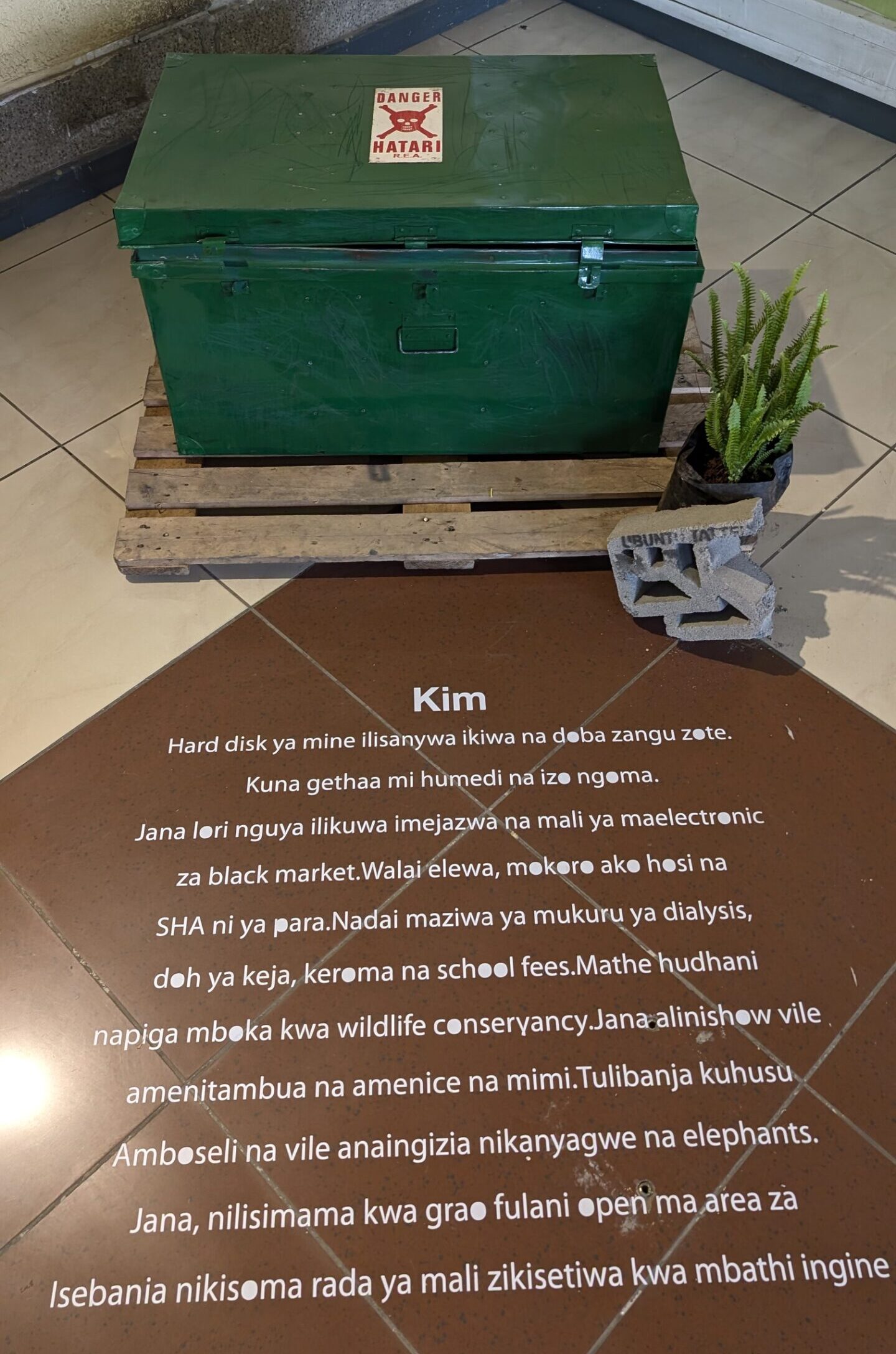
Wanderers – Kim – Anto NeoSoul, Mueni Lundi & Lutivini Majanja
In his speech at the exhibition opening TICAH Head of Programs Mordechai Odera noted the significance of holding the central exhibition in a gutted, raw space that formerly housed Nakumatt – once Kenya’s biggest retail chain and has views from the window onto a CBD whose architecture has in fact been standing for generations.
A Central Exhibition with City-Wide Reach
Through collaborations with external institutions, collectives, and partners, Rika25 is activating galleries, performance spaces, and unconventional venues across the city, ensuring the creative energy has a wide reach across Nairobi’s artistic ecosystem.
With the community, we are taking our cultural programmes to the next level with Rika25. The festival will showcase Nairobi ́s diverse art practices and give audiences a space to engage with the way different histories shape our present.”
– Suzanne Wambua, TICAH Senior Program Manager of Arts
At the heart of Rika25 lies the theme “Generations & Memories”, an invitation to reflect on how we connect across time: What do we inherit from the past? What do we pass forward? And which legacies do we resist, reimagine, or let go?
The structure of Rika25 reflects this layered approach to memory and legacy. The festival features a major central exhibition alongside programming that spans Nairobi’s diverse artistic landscape. The exhibition at Hazina Trade Center acts as the festival’s anchor, but rather than concentrate on one venue, Rika25 expands outward, activating Nairobi’s artistic ecosystem – from established institutions to independent collectives and unconventional spaces.
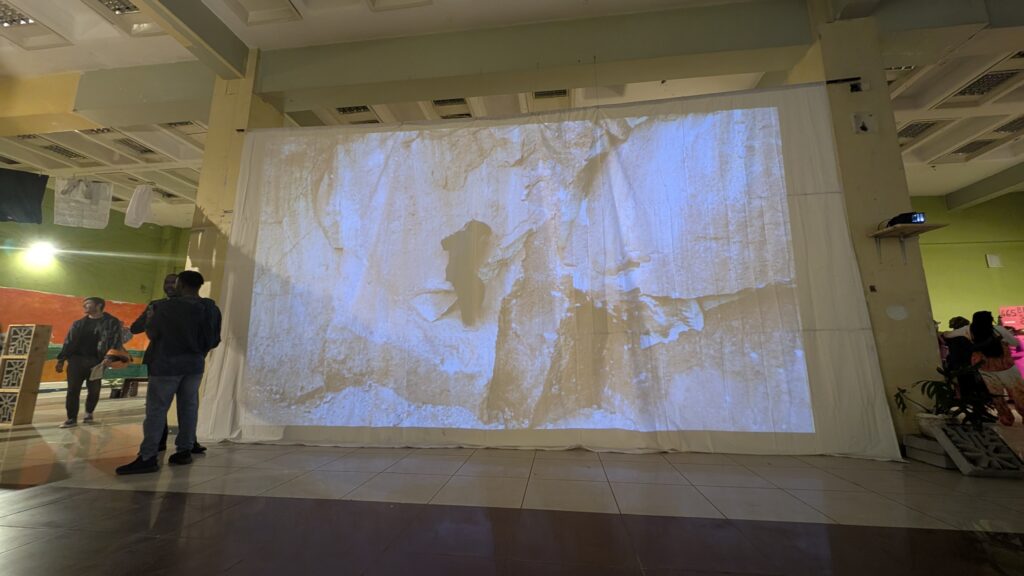
Flesh Meets Memory – Jim Chuchu & Collians Brian
That means art won’t just be found where people expect it. A performance might take over a public square, a projection could transform a forgotten building into a temporary cinema, or a storytelling session might unfold in a garden after dark. This sprawling, decentralized model underscores the fact that Nairobi itself is a stage, layered with memories, constantly rewritten by those who move through it.
Programming cleverly revolves around four artistic “strands,” each led by fellowship participants:
- Gardeners: exploring sustainability, growth, and renewal
- Griots: investigating memory, oral history, and storytelling
- Tricksters: subverting authority, disrupting norms, and challenging power
- Wanderers: crossing boundaries, both literal and metaphorical, to create new connections
These provocative frameworks have generated new collaborations, performances, installations, and multimedia works that span traditional and experimental artistic boundaries. Rika25 thrives on the contributions of artists, curators, and communities who are shaping the city’s creative landscape. In this iteration Rika25 presents a mirror of Nairobi’s collective memory and its generational imagination, initially through the artists’ exhibitions and workshops but it also asks Nairobians to participate, to experience art in both familiar and surprising contexts, and to think about what generations before us have left, and what generations after us will inherit.
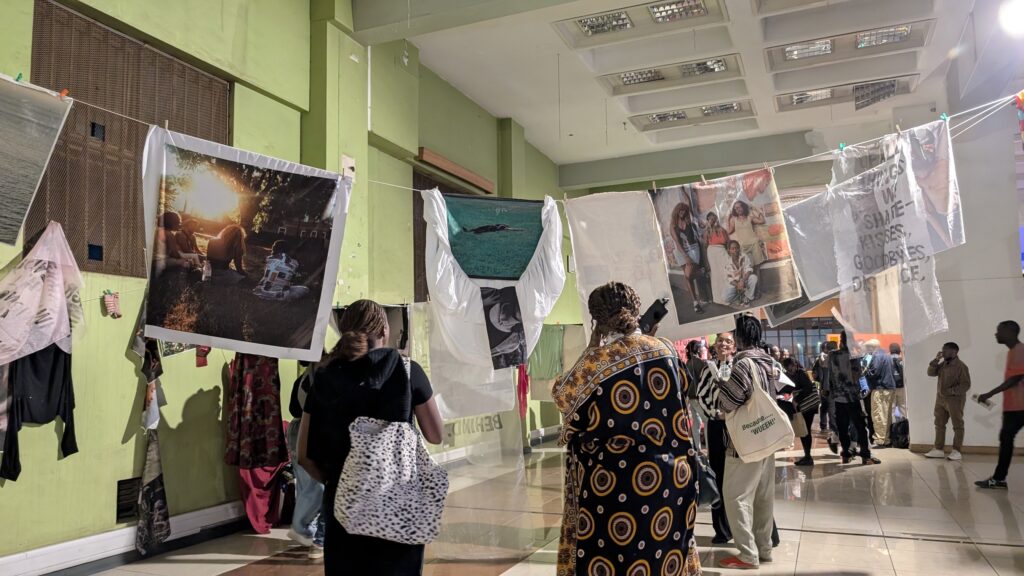
Kenya: The Distance We Share – Kuln’Zu
By exploring memory and generations, the festival touches on experiences that every Nairobi resident shares: remembering parents and grandparents’ stories, feeling the weight of inherited expectations, choosing what to hold on to and what to let go.
Together we dove into the ideas, stories, histories, cultures of generations and memories. The group tried so much, at first, to stay in the light and hope and optimism of the topic, but we realized that to get to the light it was first important to confront, learn from and reconcile with darkness” – Rika25
Rika25 is foregrounding deeper questions about the lineages that underpin the creative community in Nairobi. What does it mean to be a griot in a digital age? How does sustainability look in a city grappling with climate change? Where does trickster energy fit into a political landscape marked by both upheaval and resilience?
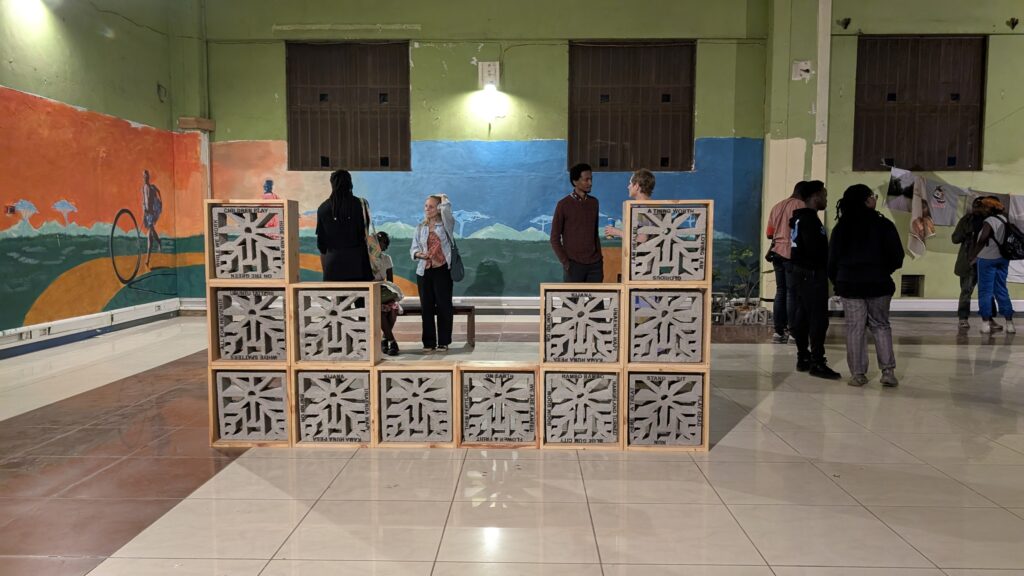

Porous Fences II – Ngwatilo Mawiyoo & Adam Yawe (foreground), Nostalgia I (mural) – Blaine29
This framing brings a space of dialogue to the exhibition and activations of Rika25. Audiences are asked: Whose memories do we honor? Whose voices have been silenced? What futures are we daring to imagine together?. The artworks encourage audiences to mull on the questions and fulminate their own with regards to their personal memories and heritage, interlinked with that of the city, and the country.
The artistic strands are malleable, formed through exploration and experimentation.
Adam Yawe has fashioned a series of breeze blocks whose design is based on the outline of now-demolished platforms in Uhuru Park. These platforms used to be a Third Space, where people would gather for varied purposes – skateboarding, preaching, choir and dance rehearsals. Then it was decided by the government that the platforms were unnecessary and out-of-date. Yawe captures this memory of a green space in the most urban of materials: concrete – that which is rapidly replacing the green of Nairobi. Yawe has worked together with Ngwatilo Mawiyoo, a crafter of wordscapes. The breeze-blocks are stencilled with words – texts that form poems that tell stories. These minimalist forms function as a Griot, combining hi[stories] of liminal space between personal and public.
Artist Kuln’zu tells us that Tricksters do not tell us what to believe, but present us with “an unfaithful mirror, pointing to multiple truths”. The Working Rooms by Peterson Kamwathi and Martin Kigondu creates a stage set of three workspaces – a government office, a religious space and a mwananchi space – separated by thin walls of mabati. The audience is invited to understand the spaces from different perspectives. The signs that “This is a corruption free zone”, which we see all over government premises across the country, leads us to question whether they are, or are we looking at Kuln’zu’s unfaithful mirror?
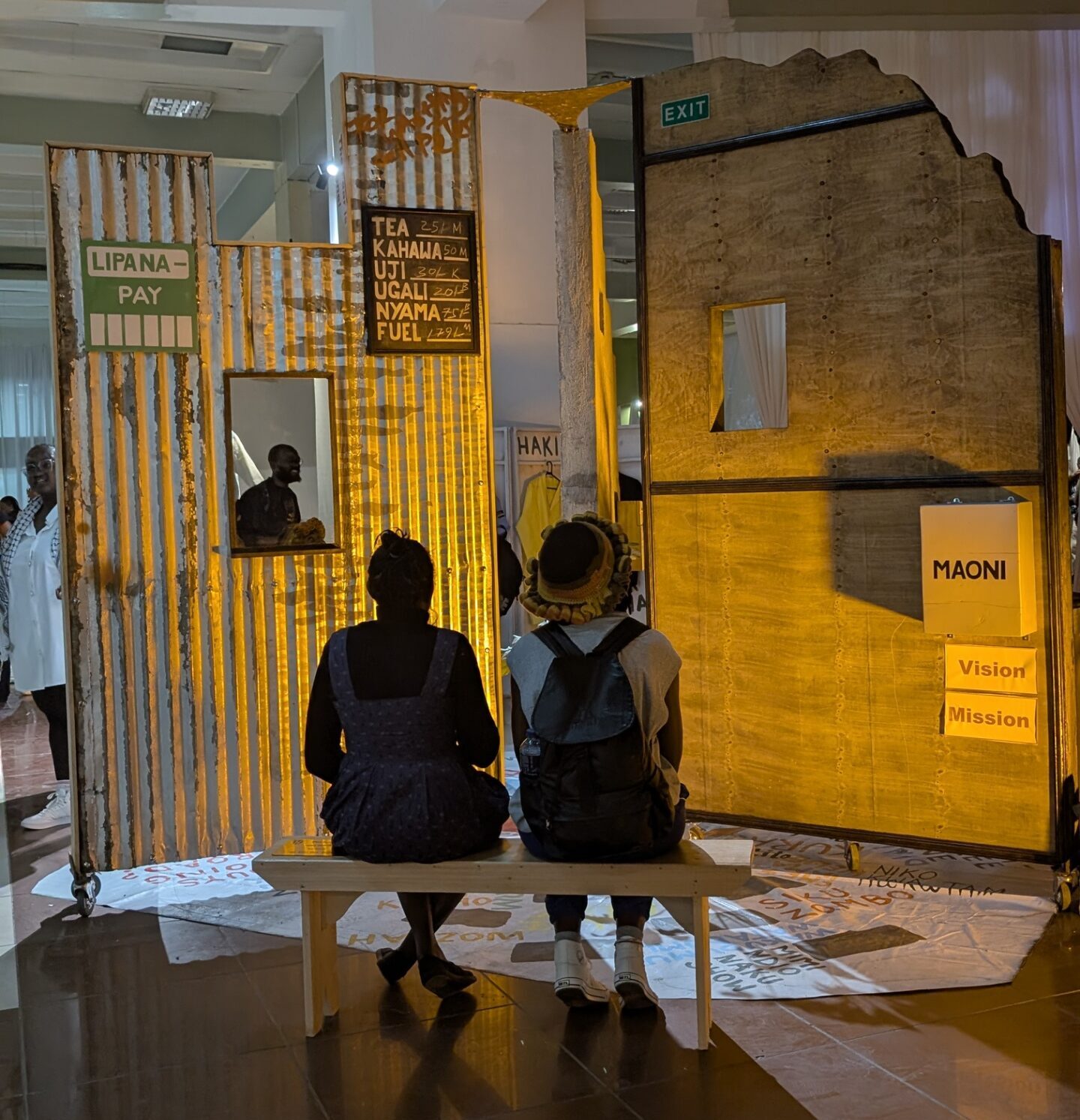
The Working Rooms – Peterson Kamwathi and Martin Kigondu
The Gardeners – That moniker might imply a nurturing of soil. But Ngwatilo Mawiyoo tells us a story about the complicit pollution of Kenya’s soil, it’s transformation into infertility and a spreader of disease. In films and live dance interactions Jim Chuchu and Collins Brian Adhiambo “interrogate how land functions as an unwilling archive”, with buried histories that official narratives erase.
The Wanderers, dealing with their double life, double identity, home neither here nor away, as memories themselves become home. Kuln’zu, a Mozambican artist living and working in Nairobi, has strung washing lines with their memories, some perhaps those that the public wouldn’t consider fit for viewing, private moments captured in what doesn’t look like Nairobi. We wonder, where has this person been? What is their baggage that they take on as they wander?
Rika25 has achieved the task of bringing together a large population of Nairobi’s diverse art practitioners, across a number of genres and media, to interrogate the potentially difficult questions about generations and memories through their varied lenses. Sometimes the narratives take us to dark places, but they are also highly reflective places and still a place of community, where we can confront issues together that are important to society not only in Kenya, but across the globe.
Rika25 Generations & Memories – Main Exhibition at Hazina Trade Centre through 9 October. See @dreamkona.ke on Instagram for the full calender of activations and events.
