

Tarot 101: A Guide to the Cards, the History and the Magic
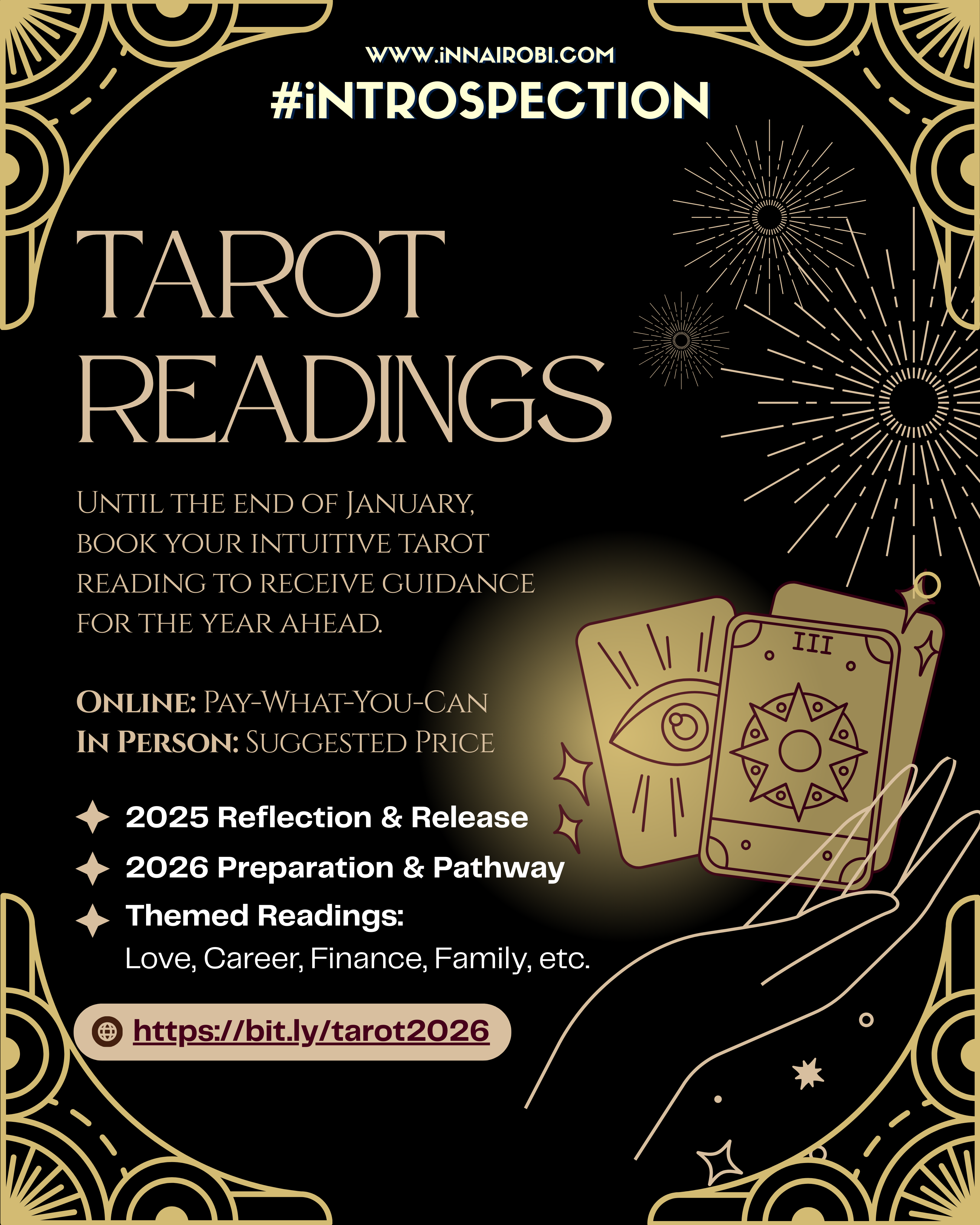
Tarot offerings in Nairobi – New Year, New Energies!!
FILL OUT THE FORM FOR A BOOKING for Tarot readings in Nairobi.
Tarot has become one of those things you see out of the corner of your eye – curiously – questioningly. It’s on the tables at wellness pop-ups in Karen, tucked into art markets in Westlands, showing up in candlelit corners of Nairobi Design Week, and whispered about over wine in Loresho. But behind the Instagram-friendly spreads and the aesthetic decks lies a centuries-old language of symbols, intuition and storytelling that has travelled across continents and eras to land right here, in our city.
Tarot in Nairobi – What Tarot Actually Is
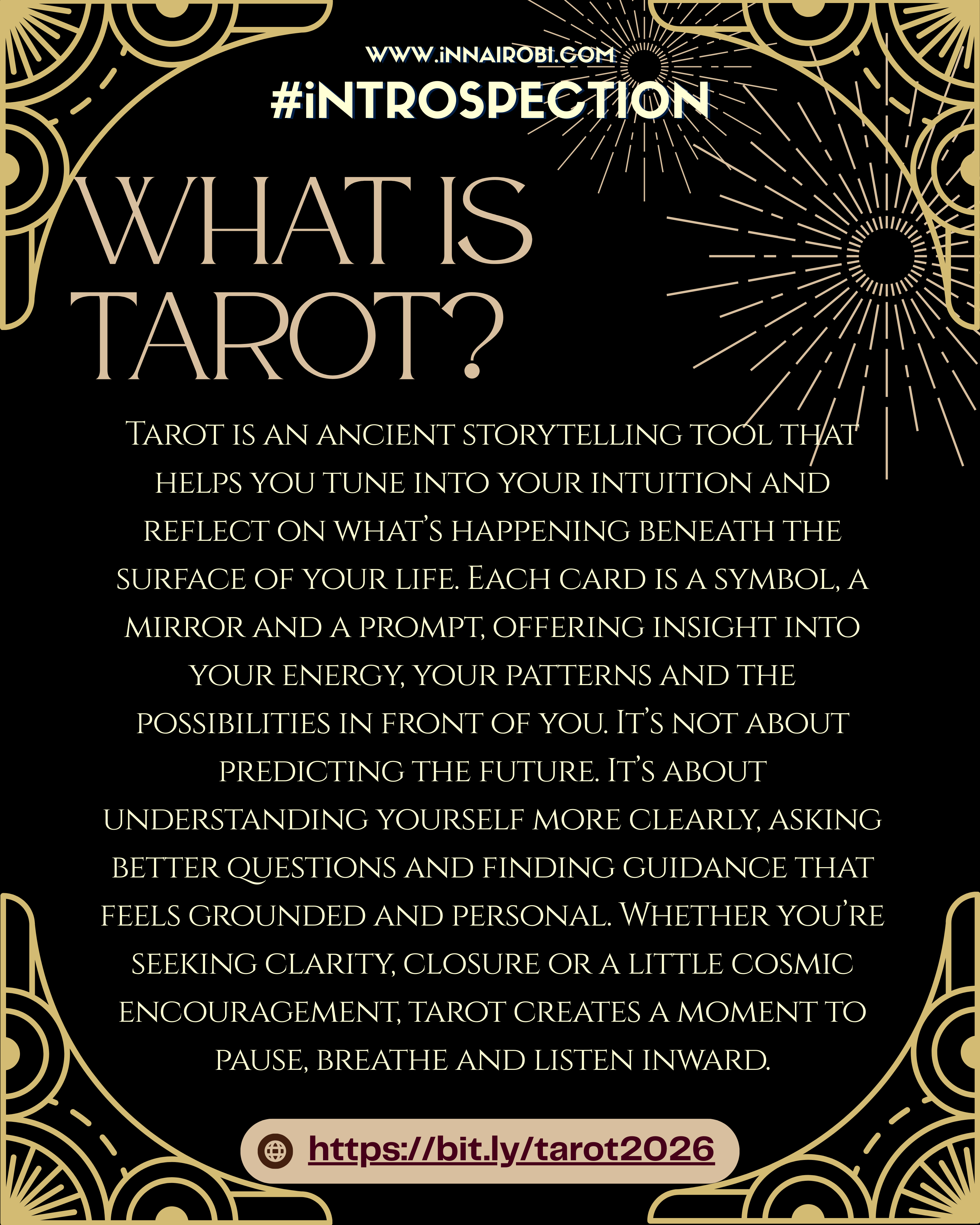
At its simplest, tarot is a deck of 78 illustrated cards used for self-reflection, guidance and deeper understanding. It isn’t fortune-telling. It’s a mirror. A way of exploring what you already know, but haven’t yet articulated. When a reader lays out the cards, they’re not predicting the future. They’re helping you understand your present — your patterns, your fears, your desires, your options.
The deck is divided into two parts:
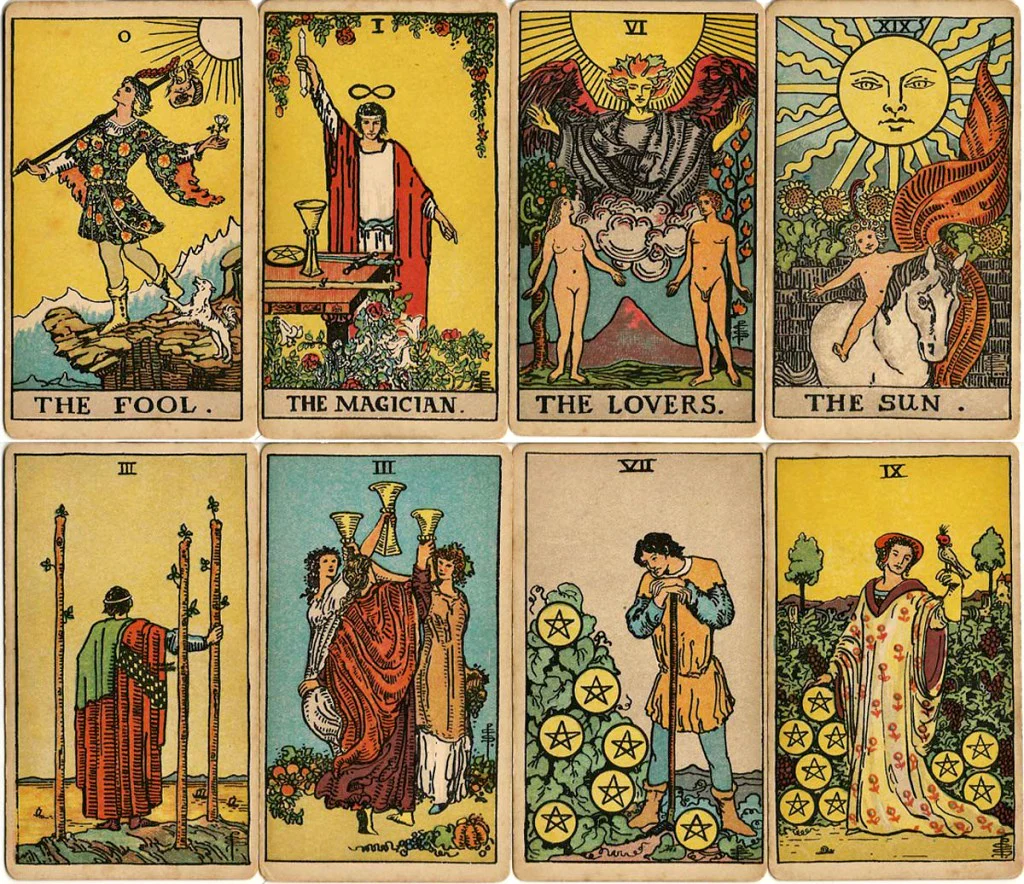
- The Major Arcana (22 cards): the big archetypes of life. Think The Fool, The Lovers, Death, The World. These speak to major themes and turning points.
- The Minor Arcana (56 cards): four suits — Cups, Pentacles, Swords and Wands — that reflect your day-to-day experiences, emotions and decisions.
Together, they form a symbolic map of the human condition.
Where Tarot Comes From
Long before Tarot hit TikTok trends, its roots ran deep. The earliest known tarot cards appeared in 15th-century Italy as hand-painted playing cards for wealthy families. They weren’t spiritual tools yet — just elaborate, beautiful decks used for games.
By the 18th century, French occultists began to reinterpret tarot as a mystical system tied to astrology, numerology and the Kabbalah. From there, the cards evolved into a tool for introspection, ritual and personal insight. Decks gained layers of symbolism, and artists began designing their own interpretations. Tarot became less about rules and more about meaning.
The most influential modern deck — the Rider–Waite–Smith, published in 1909 — was illustrated by Pamela Colman Smith, a British-Jamaican artist whose bold imagery shaped the way we read tarot today. Her work lives on in almost every deck you’ll encounter.
Why Tarot Still Matters
In a world moving faster than ever, tarot gives us something rare: a pause. A moment to check in with ourselves. Nairobi’s creative community has embraced tarot because it sits at the intersection of mindfulness, art and culture. It blends introspection with ritual. It encourages us to ask better questions. It meets us where we are.
Tarot is also deeply visual. Every reading is a story told through colour, symbols and archetypes. Maybe that’s why it resonates so deeply in a city like ours — where design, creativity and storytelling shape so much of daily life.
The Legacy and the Modern Shift
Today’s tarot is more diverse and expansive than ever. African illustrators are designing decks inspired by local heritage, ancestral stories and cultural symbols. Digital artists are reimagining the cards for a new generation. Readers are blending tarot with meditation, breathwork and wellness practices rooted in East African traditions.

Tarot’s power lies in its ability to evolve. To meet different people in different places. To offer clarity without claiming certainty. To create meaning in moments when we need it most.
Final Word
Tarot isn’t about prediction. It’s about presence. It’s a tool — ancient, beautiful, symbolic — that helps you understand where you stand and where you’re headed. Whether you’re a believer, a sceptic or somewhere in between, tarot invites you into a conversation with yourself.
And in a city as alive, creative and ever-shifting as Nairobi, that kind of clarity is a gift.
FILL OUT THE FORM FOR A BOOKING