



The People Shall
The People Shall – A Quietly Radical Portrait of Power, Memory, and Citizenship
There are documentaries that shout, and there are documentaries that listen…The People Shall belongs firmly to the latter. Measured, deliberate, and deeply humane, the film unfolds as a meditation on power, democracy, and the fragile promise embedded in the idea of “the people” itself.
Rooted in Kenya’s political and civic landscape, the documentary resists the urge to sensationalise. Instead, it invites the viewer into a slower reckoning with history, participation, and responsibility. The title, lifted from language that feels both constitutional and prophetic, frames the film’s central question: what does popular sovereignty actually look like when stripped of slogans and election cycles?
I was lucky to catch The People Shall during its run at the NBO Film Fest, where it felt especially resonant viewed alongside a programme of films interrogating power, memory, and African futures. Watching it in that shared festival space, surrounded by an audience attuned to both cinema and civic life, sharpened the film’s impact. It played not just as a documentary, but as a quiet conversation between the screen and the room, one that lingered well beyond the credits.
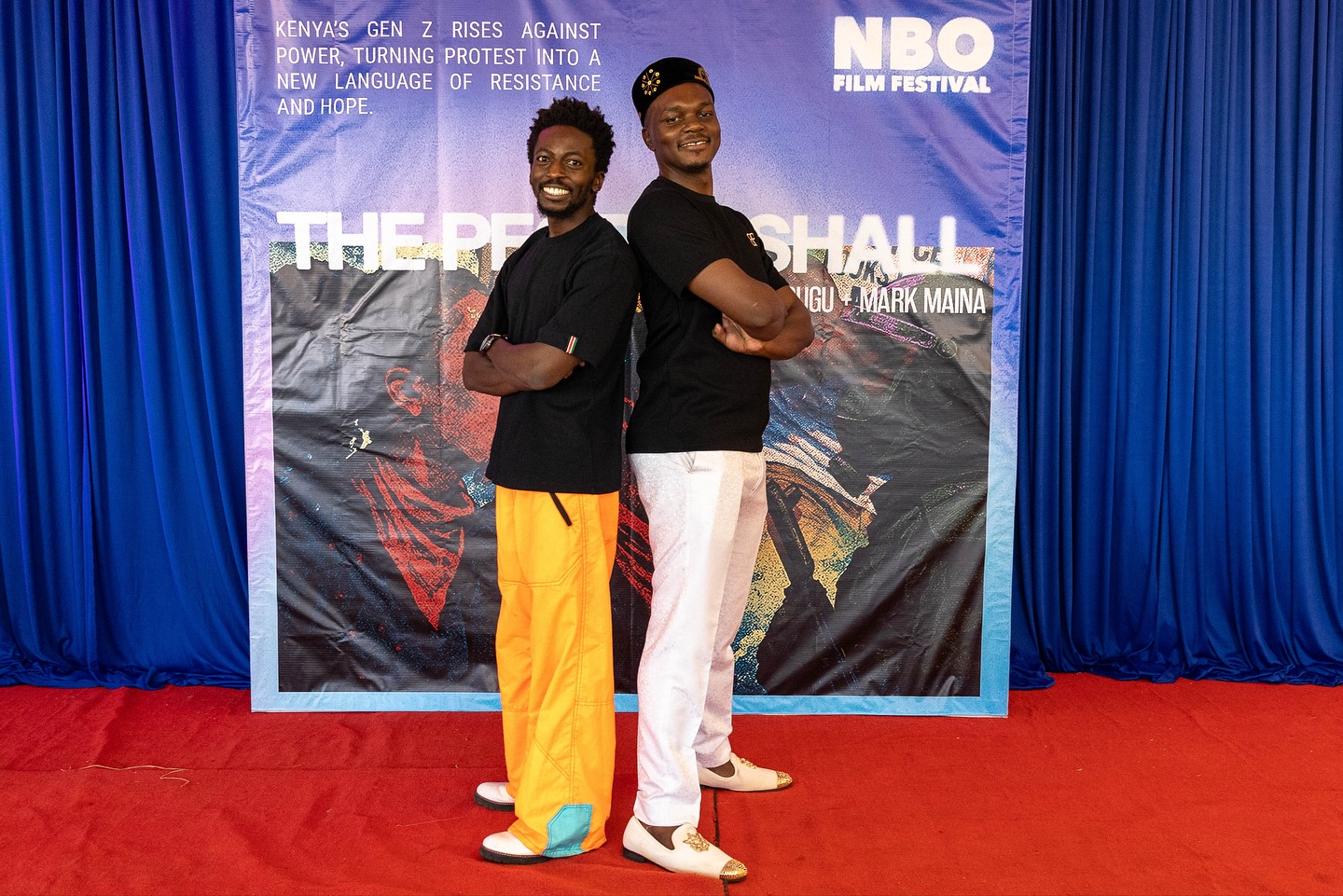
What makes The People Shall compelling is its restraint. The film does not lecture, it observes. Through archival material, lived testimonies, and carefully structured conversations, it traces how political ideals move from paper to practice, and how easily they can fracture along the way. The camera lingers on faces, pauses, silences. In doing so, it reminds us that democracy is not abstract. It is embodied.
There is a particular power in how the documentary treats time. Past and present bleed into one another, showing how unfinished business continues to shape contemporary civic life. The struggles depicted are not relics of a bygone era but echoes that still reverberate through institutions, protests, courtrooms, and private conversations. The film trusts its audience to make these connections without spelling them out. WHAT IS OUR FUTURE?
Visually, the documentary is understated but confident. Nothing feels ornamental. Every frame serves the story. The editing allows moments to breathe, refusing the fast-cut urgency that dominates much political filmmaking today. This patience becomes a political choice in itself, suggesting that reflection may be one of the most radical acts available to us.
Perhaps most importantly, The People Shall avoids cynicism. It does not pretend that democracy is neat or victorious, but neither does it surrender to despair. Instead, it positions citizenship as a continuous practice, one that demands memory, vigilance, and participation long after the cameras have stopped rolling and the ballots have been counted.


In a media landscape saturated with noise, outrage, performative politics, and frankly nonsense, The People Shall is quietly defiantly essential. It is not a documentary that tells you what to think.., it asks you to sit with the weight of collective responsibility, and decide, for yourself, what it means to belong to “the people”.
Screening this month at Unseen Nairobi. #GETiN
TICKETS ON MOOKH
WATCH THE TRAILER