

From 25-26 February 2026 Africa Media Festival returns for its fourth edition as a gathering for journalists, editors, storytellers, creators and media builders from across the continent and the diaspora.
What began in 2023 as a regional experiment now brings together over 1,900 participants and more than 200 speakers from more than 26 countries. The festival is a meeting place for those working in reporting, production, technology and creative enterprise who are asking real questions about the future of media and how it is made, funded and sustained.
Organized by Baraza Media Lab, the festival gathers journalists, creators, technologists and thinkers to face a central question: what does media freedom look like in an age where threats to expression are both blatant and invisible?
This edition continues to expand pathways for participation across Africa and beyond. Two days of conversation, learning and collaboration will centre on the ideas, challenges and opportunities shaping media and creative work today.
The official framing of the event — “Resilient Storytelling: Reimagining Media Freedom” — comes from the festival’s own curator, Martie Mtange, who wrote that threats today span from physical intimidation to digital censorship embedded in platform policies and algorithmic control. In this context, media reporting isn’t just about facts but about crafting conditions of agency in the face of forces that seek to obscure, silence or commodify truth.
Already confirmed are a diverse array of speakers and thinkers whose work spans continents and disciplines. Among them are media freedom advocates, investigators, producers, and educators who occupy spaces at the intersection of policy, practice, and cultural interrogation. These voices reflect a deliberate commitment to plurality of thought and experience, a signature of the festival’s ethos.
What the Festival Is (and Isn’t)
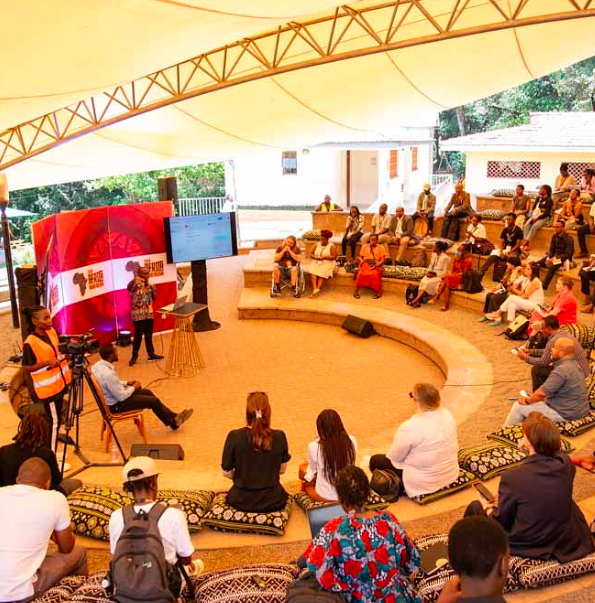
AMF 2026 is structured around multiple forms of engagement — panels, workshops, Ignite talks, demonstrations and unconference sessions — designed for deep conversation across practice and theory with the event’s design prioritizing exchange over exposition where participants become contributors, shaping discussion about the practical and existential challenges media workers face across Africa.
Past editions have shown this approach in action through sessions that range from newsroom safety and newsroom economics to the politics of storytelling itself. AMF 2026 extends that lineage.
Voices on the Programme
The speaker roster reveals a deliberately broad constellation of perspectives, each brought to bear on different facets of media freedom and resilience. Among those confirmed are:
- AnesuTendesai Chikumba – Founder of Unpublished Africa, a pan-African platform supporting visual storytellers and creative entrepreneurs.
- Joy Lusige – Video Journalist and Producer, ZDF German Television (Kenya).
- Francesca Ekondaho – Program Coordinator for Outreach in Africa, Pulitzer Center (Rwanda).
- Will Church – Director of Media Freedom, Thomson Reuters (UK).
- San’aa Njeria – a futurist, artist, and creative synthesist reimagining African futures.
- Anita Eboigbe – Chief Operations Officer, Big Cabal Media (Nigeria).
- Dr Zippy Okoth – Chair of Performing Arts, Film and Media Studies, KCA University (Kenya).
These are only a few of the many speakers involved in the festival and each gestures toward a different mode of engagement with media: from editorial craft and production ecosystems to structural critique and community immersion.
Central Themes in Conversation
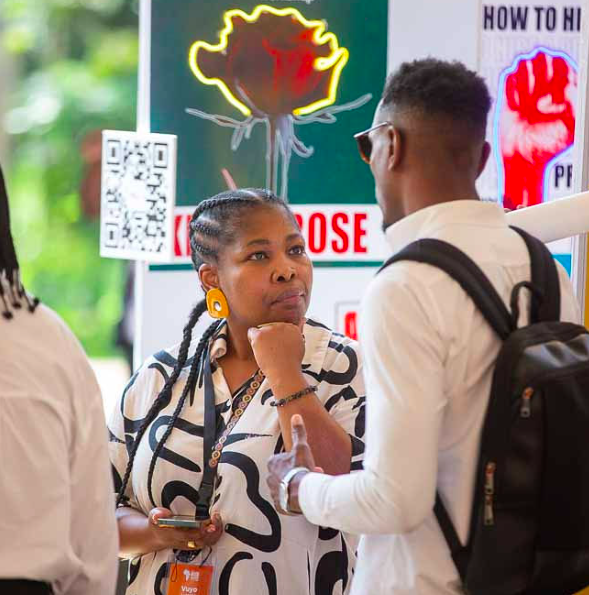
The festival schedule is dynamic and distributed across many sessions, following 4 core tracks:
Media, AI and Tech – Exploring how artificial intelligence and new technologies influence reporting, storytelling and access to information, and what they mean for ethics, practice and the audiences we serve.
Creative Economy – Examining how art, culture and commerce intersect, and how independent and established media can build sustainable practices while preserving editorial freedom.
Social Impact – Focusing on civic engagement and the role of media in strengthening accountability, expanding access to reliable information and supporting democratic participation.
Liberating Voices – Prioritising the urgent stories of climate change and amplifying perspectives often left out of mainstream narratives.
The core conversations attendees should expect are around:
The Fragility and Power of Storytelling — Responding to the fact that narratives are contested, regulated, and monetised in ways that shape who is heard and who is erased.
Digital and Institutional Pressures — From platform policies to political restrictions, the spaces where media operate are increasingly contested.
Beyond Survival — Resilience here is not simply endurance but creation of alternatives, whether through new forms, new communities, or new economies of support.

The festival thus frames media freedom not as a static condition to be defended, but as a set of practices to be collectively instituted. Storytellers, in this view, are agents of both critique and invention.
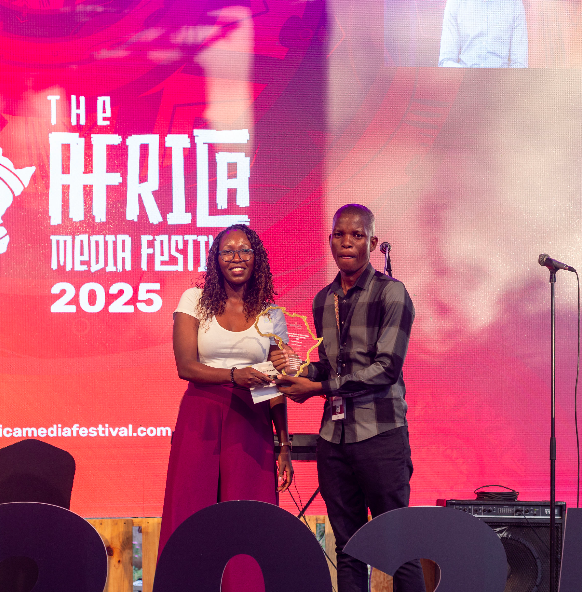
The culmination of the festival is the The Africa Media Awards, A recognition of excellence in journalism and storytelling, honouring courage, creativity, and dedication to public interest reporting.
Over two days, the festival will foreground resilience not as a passive endurance, but as the constructive work of shaping stories that outlast censorship, economic strain and abstraction alike.