


Why Is Halle Berry Still the Only Black Woman to Win the Best Actress Oscar
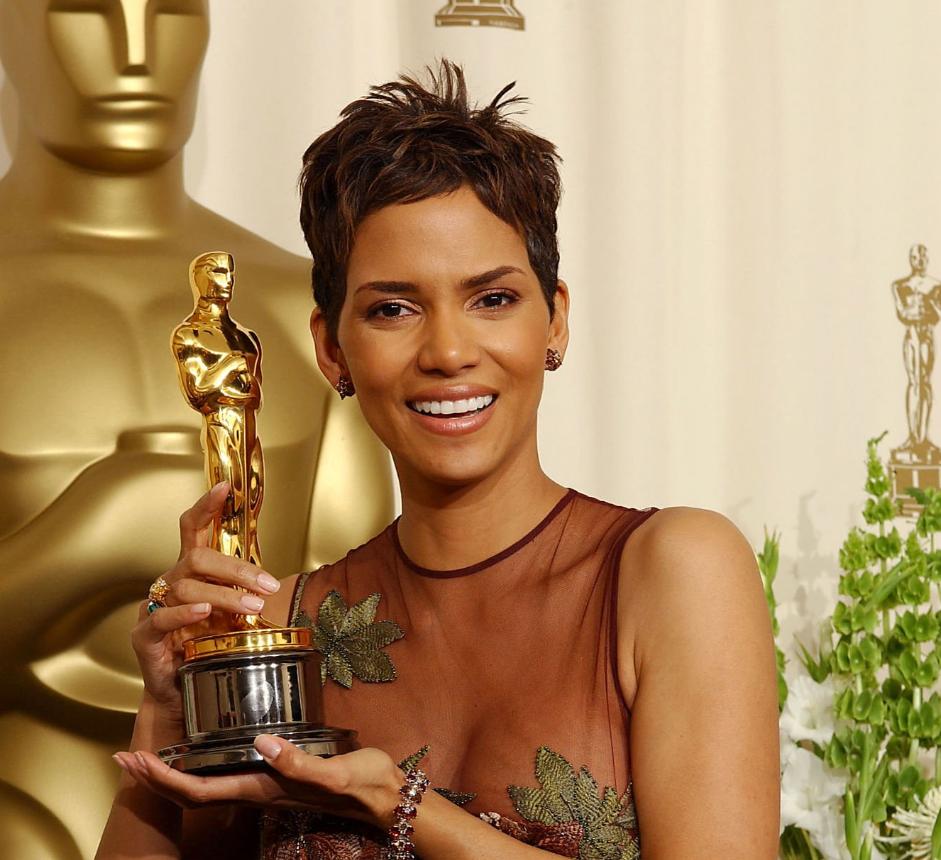
On the night of March 24, 2002, the room rose before Halle Berry had even reached the stage. At the 74th Academy Awards, her performance in Monster’s Ball had already been widely praised for its emotional vulnerability and raw intensity, but the announcement carried a weight far beyond a single role or a single film. When Berry accepted the Academy Award for Best Actress that evening, she became the first Black woman in history to win the category.
More than two decades later, she remains the only one.
In the nearly century-long history of the Academy Awards, only a small number of Black actresses have been nominated for Best Actress. The list includes legendary performers such as Dorothy Dandridge, Diana Ross, Cicely Tyson, Angela Bassett, Viola Davis, and Cynthia Erivo, each delivering performances that reshaped the cultural landscape of cinema. Yet despite decades of extraordinary work and a growing list of historic nominations, the number of winners has not changed.
Berry still stands alone.
Her victory in 2002 was widely celebrated as a turning point for Hollywood, a moment when the industry appeared ready to recognise Black actresses not only as powerful supporting figures but as the central protagonists of major films. Berry herself acknowledged that history in her emotional acceptance speech, dedicating the award to “every nameless, faceless woman of colour” who had fought for recognition in an industry that too often denied them leading roles.
At the time, the moment felt like the opening of a door. What has followed since has been a far more complicated story.
The Long Road to the First Nomination
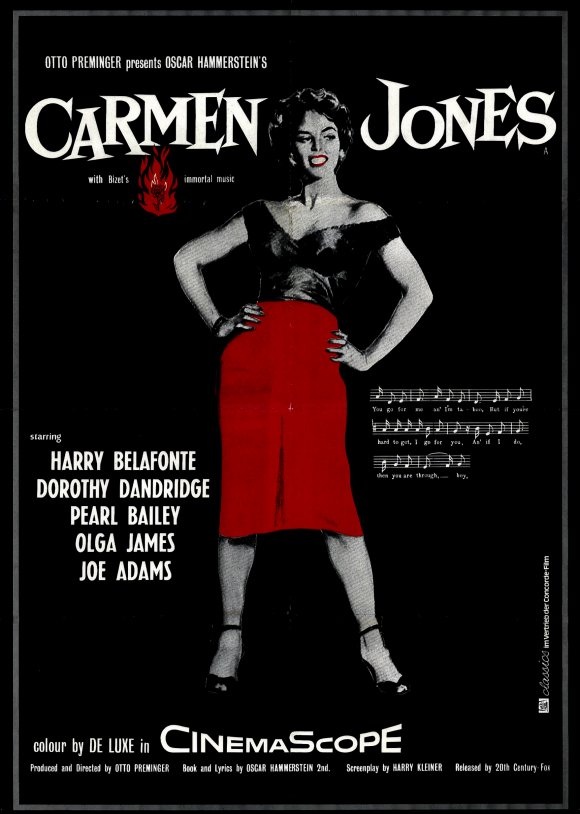
The history of Black actresses in the Best Actress category begins almost half a century before Berry’s win, with the groundbreaking nomination of Dorothy Dandridge in 1955. Her performance in Carmen Jones was luminous and magnetic, presenting a glamorous and complex Black female protagonist at a time when Hollywood rarely allowed such portrayals.
Although she did not win the Oscar, the nomination itself was historic. It demonstrated that a Black woman could anchor a major film and command the attention of critics and audiences alike. Yet the progress that followed was painfully slow.
Seventeen years passed before another Black actress was nominated for Best Actress. In 1972, two performers finally broke through in the same year. Diana Ross earned a nomination for her commanding portrayal of Billie Holiday in Lady Sings the Blues, while Cicely Tyson was recognised for her deeply moving performance in Sounder.
These nominations reflected the cultural shifts of the era, as Hollywood slowly began to engage with stories that centred Black lives and experiences. Yet even as these performances expanded the possibilities for Black actresses on screen, the industry’s highest honour remained elusive.
Performances That Changed Hollywood
Over the decades that followed, a remarkable group of actresses delivered performances that reshaped American cinema.
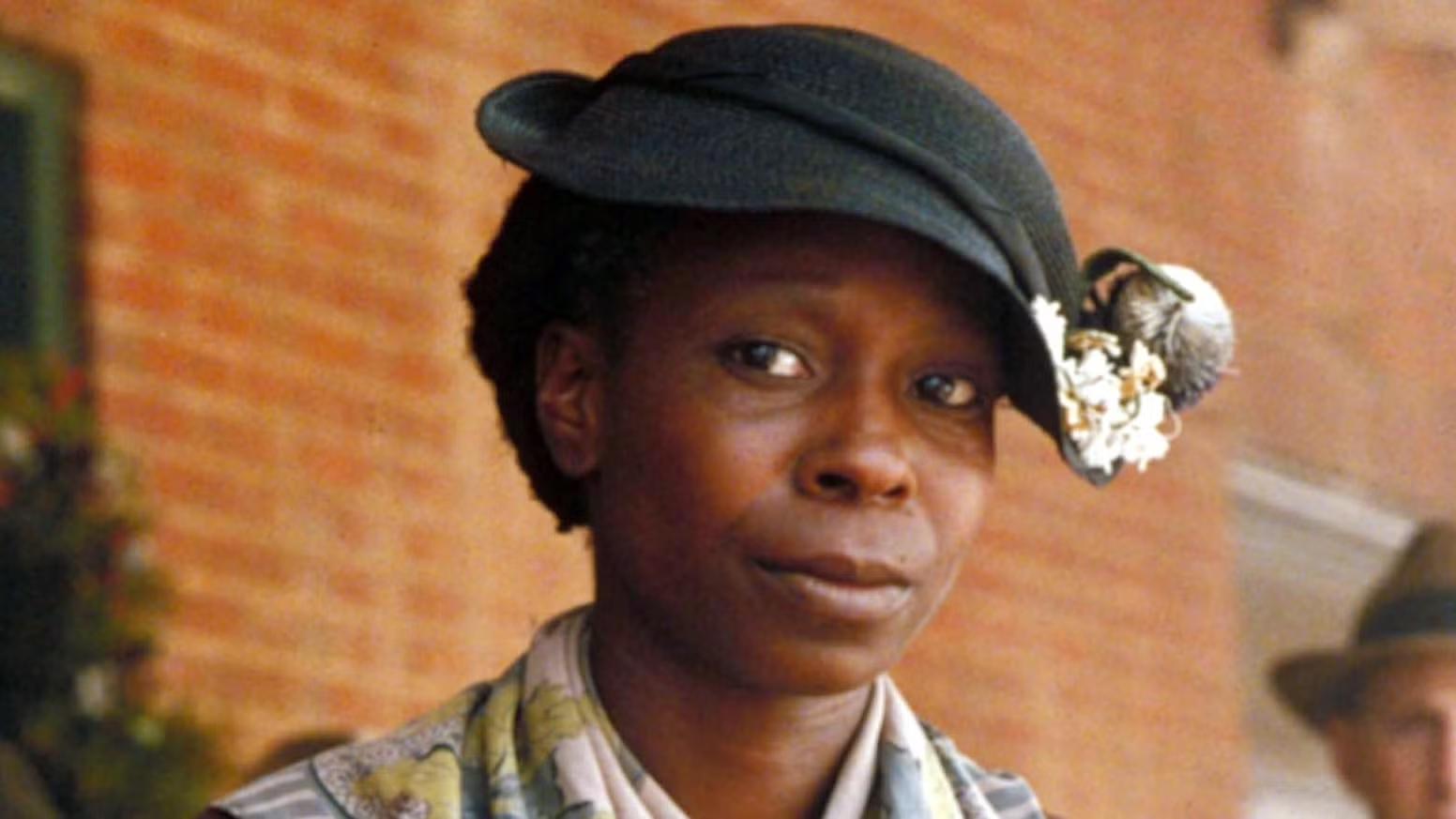
In 1974, Diahann Carroll was nominated for her role in Claudine, portraying a single mother navigating work, family and dignity in New York City. In 1985, Whoopi Goldberg stunned audiences with her portrayal of Celie in The Color Purple, a performance widely regarded as one of the most emotionally powerful in modern film history.
Nearly a decade later, Angela Bassett electrified audiences with her transformation into Tina Turner in What’s Love Got to Do with It. Bassett’s performance captured both the explosive energy and the emotional complexity of the music icon’s life, earning widespread acclaim and further expanding the range of stories available to Black actresses.
These were performances that defined their era, yet none ultimately received the Best Actress award.
The Historic Night in 2002
When Halle Berry finally won the Best Actress Oscar for Monster’s Ball in 2002, the moment carried the weight of decades.
Berry’s performance was fearless and emotionally exposed, portraying grief, loneliness and fragile hope with remarkable vulnerability. Critics praised the role as transformative, and the Academy ultimately recognised it with the industry’s highest honour.
Her acceptance speech has since become one of the most iconic in Oscar history. Speaking through tears, Berry acknowledged the generations of actresses who had paved the way for her moment.
For many observers, the win felt like a long overdue correction to the Academy’s history.
Yet the years that followed would reveal how slow the industry can be to change.
A New Generation of Nominees
In the decades since Berry’s win, several extraordinary performances by Black actresses have earned nominations for Best Actress.
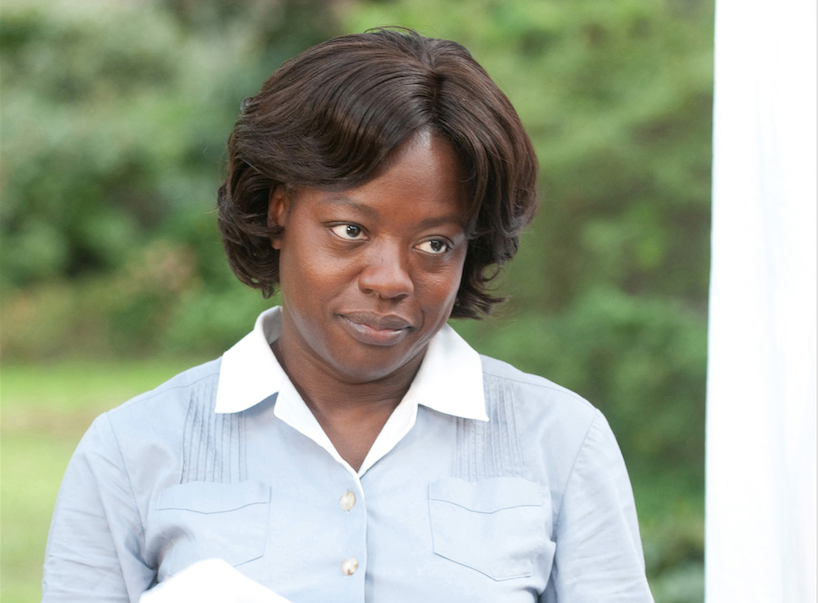
Gabourey Sidibe received critical acclaim for her debut performance in Precious. Viola Davis earned nominations for both The Help and Ma Rainey’s Black Bottom, bringing her formidable theatrical presence to the screen.
In 2013, Quvenzhané Wallis became the youngest Best Actress nominee in history at just nine years old for her extraordinary performance in Beasts of the Southern Wild.
Later nominations followed for Ruth Negga in Loving and Andra Day for her portrayal of Billie Holiday in The United States vs. Billie Holiday.
Most recently, Cynthia Erivo joined the list with nominations for Harriet and the musical adaptation of Wicked.
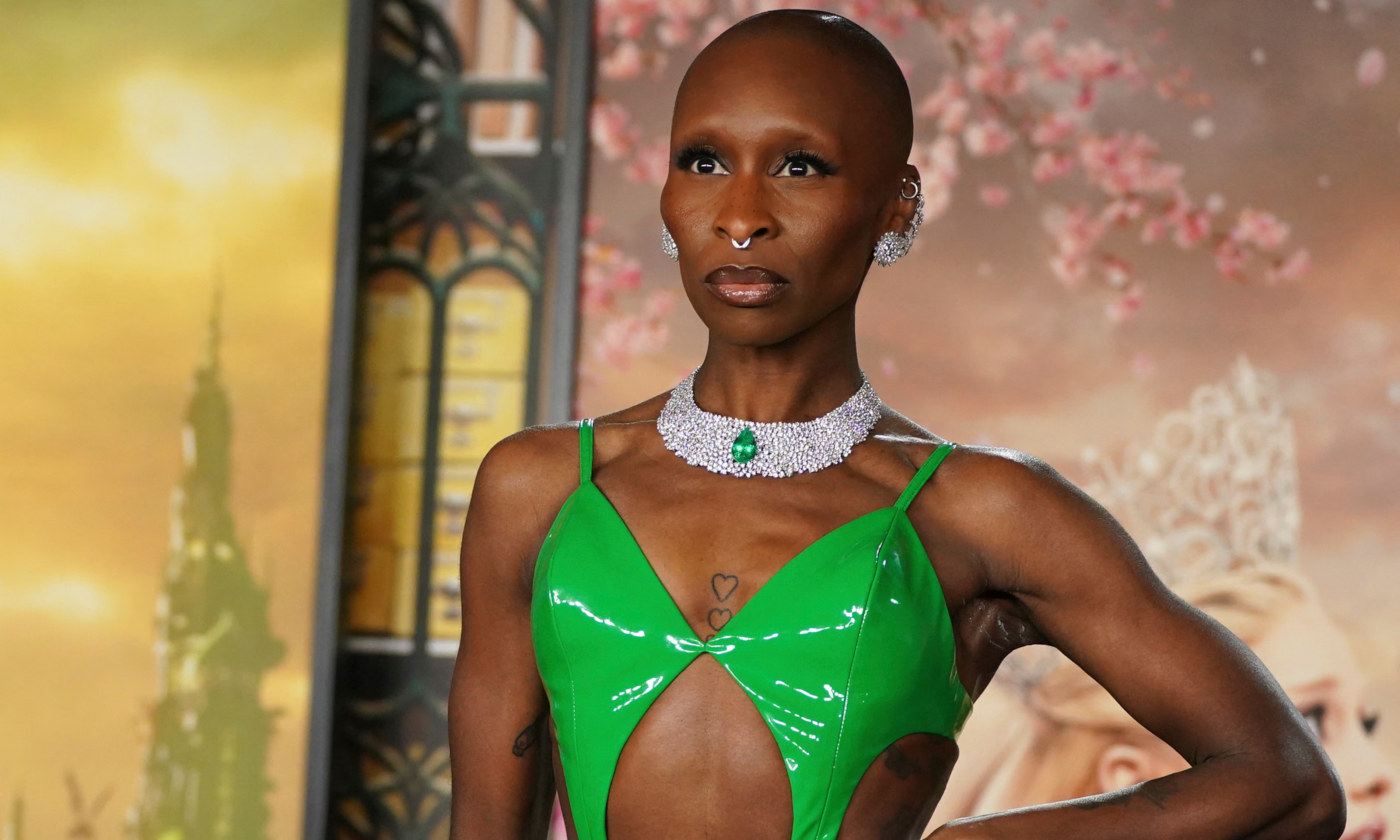
Each nomination has sparked renewed conversations about representation and recognition in Hollywood. Each awards season brings the same question. When will another Black actress win the Best Actress Oscar?

So far, the answer remains unchanged.
Every Black Actress Nominated for Best Actress at the Oscars
The complete list remains strikingly short for an award that has existed for nearly a century.
| Actress | Film | Year |
|---|---|---|
| Dorothy Dandridge | Carmen Jones | 1954 |
| Diana Ross | Lady Sings the Blues | 1972 |
| Cicely Tyson | Sounder | 1972 |
| Diahann Carroll | Claudine | 1974 |
| Whoopi Goldberg | The Color Purple | 1985 |
| Angela Bassett | What’s Love Got to Do with It | 1993 |
| Halle Berry | Monster’s Ball | 2002 (Winner) |
| Gabourey Sidibe | Precious | 2009 |
| Viola Davis | The Help | 2011 |
| Quvenzhané Wallis | Beasts of the Southern Wild | 2012 |
| Ruth Negga | Loving | 2016 |
| Cynthia Erivo | Harriet | 2019 |
| Viola Davis | Ma Rainey’s Black Bottom | 2020 |
| Andra Day | The United States vs. Billie Holiday | 2021 |
| Cynthia Erivo | Wicked | 2025 |
Why the Moment Still Matters
For many observers, Halle Berry’s historic win remains both a triumph and a question that Hollywood has yet to answer. The past two decades have seen an extraordinary expansion in the kinds of stories being told on screen, with Black filmmakers, writers and actors reshaping the global film landscape.
And yet the highest acting honour for a leading performance still carries the weight of a single name.
Berry’s victory did more than recognise a remarkable performance. It expanded the imagination of what was possible, both within Hollywood and beyond it. Each new nomination since then reflects a slow but undeniable shift in the industry’s understanding of whose stories deserve to stand at the centre of the frame.
More than twenty years after that moment in 2002, the question still lingers across every awards season. When will the list finally grow beyond a single winner?
Until that moment arrives, the history of the Best Actress Oscar continues to circle back to the same night, the same speech and the same extraordinary breakthrough.
And to the woman who, at least for now, remains the only one.
For many observers, the statistics surrounding the Academy Awards raise an uncomfortable question about the value of the prize itself. If an institution can spend nearly a century recognising cinematic excellence while producing only a single Black Best Actress winner, the problem cannot be explained simply by chance or by the strength of individual performances.
It reflects deeper structural patterns in the way the film industry defines prestige, visibility and lead roles. Black actresses have delivered some of the most transformative performances in modern cinema, yet the highest honour for leading roles has remained almost entirely out of reach.
Increasingly, some critics and artists argue that the more urgent conversation may not be about when the next Black woman will win, but about why the award continues to hold such power in the first place. As global cinema expands and audiences become more diverse, the cultural authority of the Oscars may begin to look less like the ultimate validation of artistic achievement and more like a reflection of a narrow tradition that has been slow to recognise the full spectrum of talent shaping contemporary film.
At some point the conversation shifts from waiting to be recognised to deciding that the recognition itself is no longer the prize.