

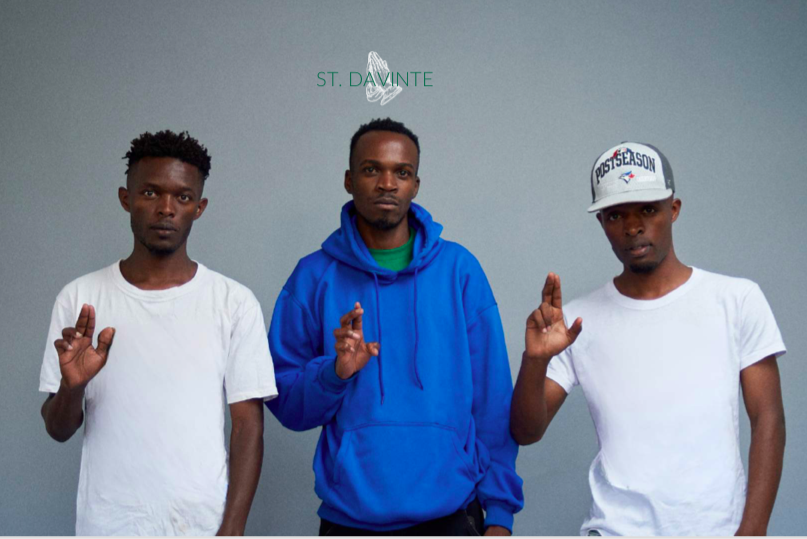

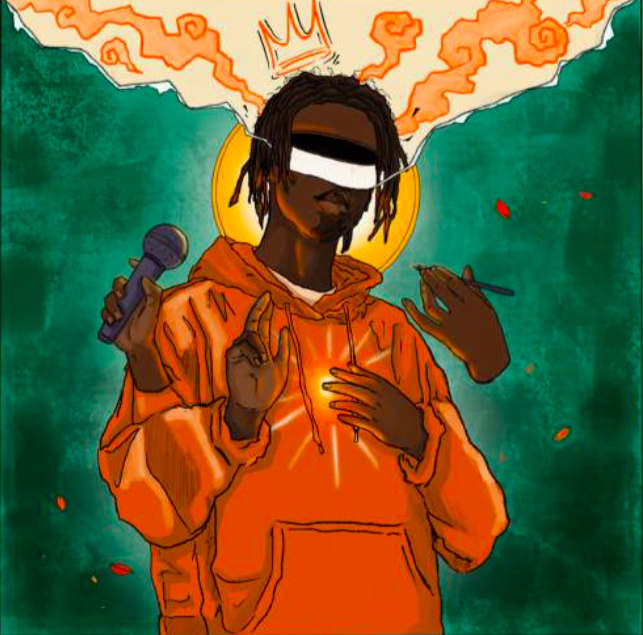
The group St. Davinte emerge from Mathare with music that is inseparable from place, politics, and lived experience. Made up of Stoneface Bombaa, Davie Spice, and Dante Focus, the trio are closely connected to the Mathare Social Justice Centre, and their work sits firmly within a tradition of cultural production as resistance. Their debut EP, Code ni Ghetto presents five tracks that move through the everyday realities of Mathare, tracing the violence of poverty, the persistence of police brutality, and the long shadows cast by sexual violence.
The EP’s strength lies in its refusal to soften its observations. Code ni Ghetto listens closely to its surroundings, capturing the textures of the neighbourhood with a deliberate rawness. This is a body of work that speaks to struggle, resilience, and the ongoing negotiations of life in the city’s margins.

Beyond the group, each member’s practice extends into broader forms of organising and cultural work. Stoneface Bombaa (Brian Otieno) is a community organiser based in Mathare, using music as a form of artivism to confront violence and gender-based injustice. His projects, including the Water is Life music video and the Until Everyone is Free podcast, position art as both witness and catalyst.
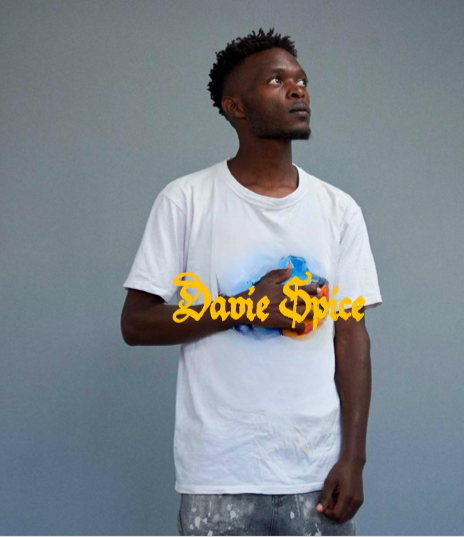
Davie Spice’s creative practice spans music and printing technology, a combination that has led to collaborations with organisations such as Mathare Social Justice Centre, Haki Africa, and AOSK. Alongside his twin brother Dante, he has been making music since 2008, drawn to its capacity to connect, mobilise, and move audiences beyond entertainment.



Dante Focus similarly moves between music, visual production, and social justice work. After early involvement with the Slam Sanaa collective, he expanded his technical skills through studies in printing technology, collaborating with advocacy organisations while continuing to refine a lyrical voice attentive to structural violence and everyday resistance.

Code ni Ghetto is produced by Joash Omondi, whose careful, restrained production allows the lyrics to lead. His attention to detail creates a sonic landscape that supports rather than overshadows the narratives at the heart of the EP. The result is a project that feels intentional and cohesive, bringing a testimony of collective memory.