

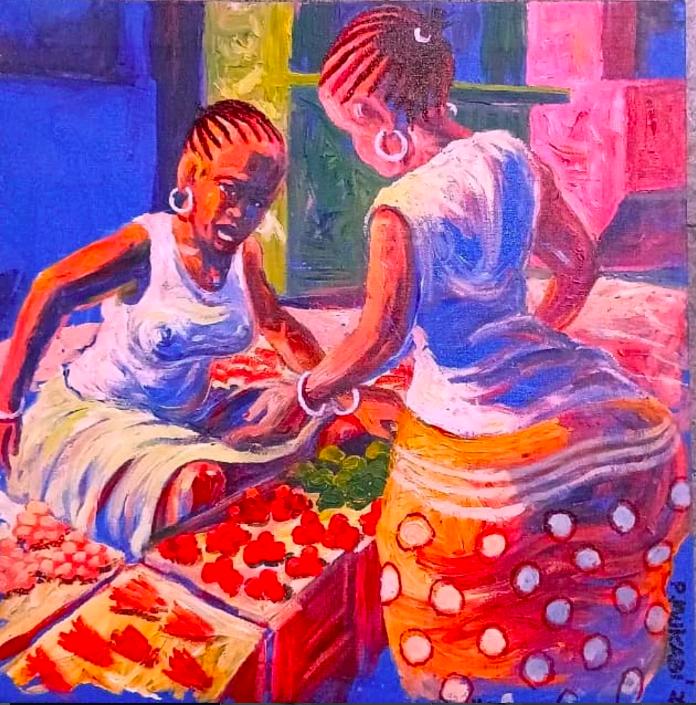

By Thaddeus Wamukoya (Tewa)
Supporting artists during difficult times should not be viewed as charity, but rather as a responsibility within a functioning cultural ecosystem. If institutions truly value the artists who contribute to their visibility and programming, then moments like this are when that commitment should be most visible.
The issue of fundraiser links and health challenges—especially among the older generation of artists within the Nairobi contemporary art scene—is not new. At the moment, there is an ongoing fundraiser for Patrick Mukabi aimed at helping the renowned Kenyan artist access better healthcare and support while he recovers from a crucial surgery.
I first learned about this situation through an artists’ WhatsApp group, where it was shared by Eric Manya—an established artist and cultural curator who has consistently played a vital role in responding to urgent situations within the art ecosystem. Also involved is Maggie Otieno, another respected artist who has generously offered her time and support in standing with fellow artists during difficult moments. In this particular case concerning Patrick Mukabi, fellow artists Joseph Bertiers, Joseph Cartoon, Peterson Kamwathi and Adrian Nduma also visited him, expressing concern for their friend’s overall well-being and offering their support during this challenging time.
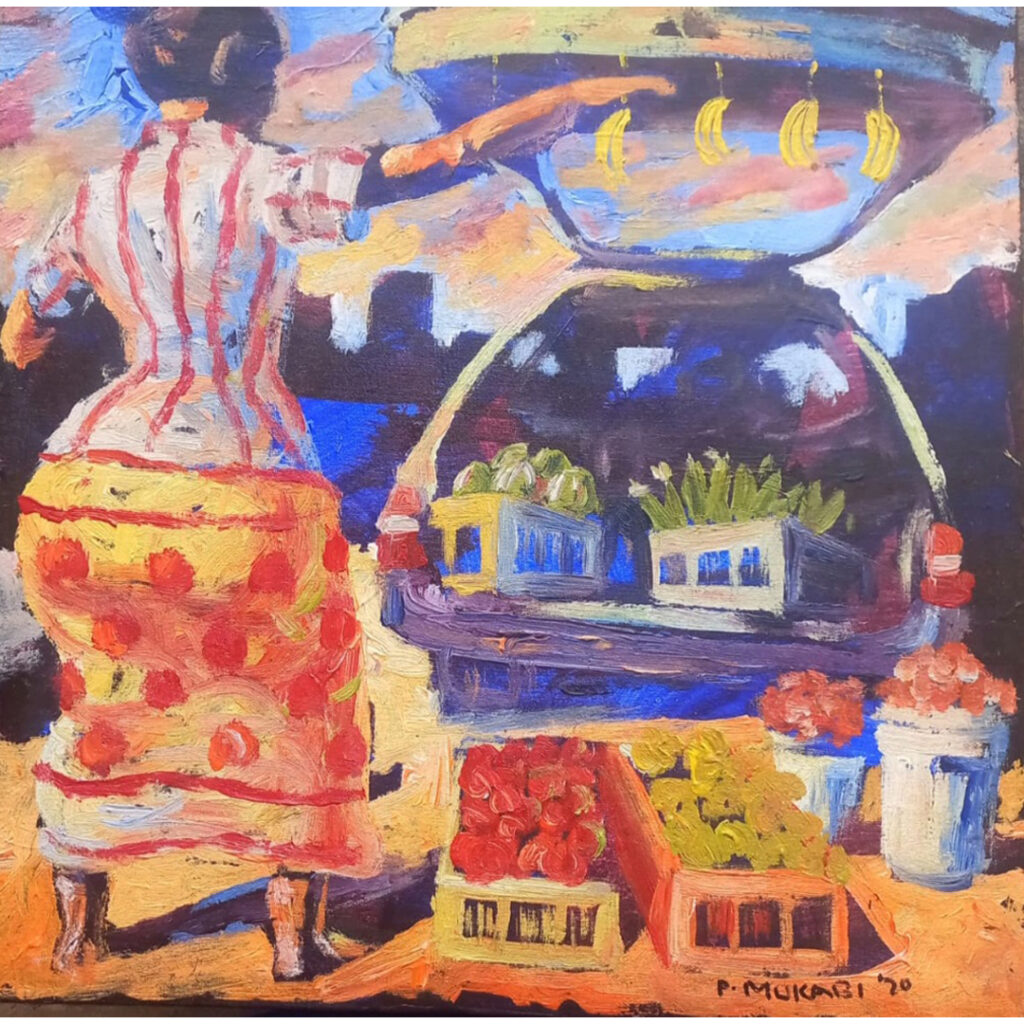
Patrick Mukabi, Soko Gari Series, Acrylics on Canvas, 40×40 cm, 2020, Donated by Marcus Mūrīra Ndwīga from The Little Gallery Collection
I recently visited Patrick Mukabi in hospital and, after assessing the situation, it became clear that even more funds may be required, as his recovery journey might take longer than expected. Despite the circumstances, his passion for art remains strong. At one point, he mentioned that he missed painting and asked his assistant Kevin if it would be possible to bring him some art supplies so he could continue working while in hospital. Kevin, who has been selfless during this challenging time, reassured Patrick that he can depend on him throughout the recovery process.
This situation once again highlights the urgent need for active visual artists’ associations and stronger support systems within the Nairobi contemporary art ecosystem. When artists who have contributed immensely to shaping the cultural landscape face medical or financial crises, the burden often falls on informal networks of artists, friends, and small fundraising efforts. While these gestures show the strength of community, they also reveal structural gaps that should be addressed through more organized and sustainable support frameworks.
The Nairobi contemporary art scene is a complex one. A few commercial galleries and art centres enjoy most of the visibility and influence, while many mainstream artists and collectives depend heavily on these organizations for opportunities, exhibitions, and access to networks. Because of this structure, it is often almost impossible to push forward meaningful ideas or reforms unless they are backed by these institutions.
Unfortunately, many art centres appear more focused on positioning themselves to benefit from the limited funding bodies available rather than addressing key issues that directly affect artists’ livelihoods and welfare.
A good example is the current situation surrounding Patrick Mukabi. Institutions within the ecosystem should be stepping forward in moments like this. In particular, The GoDown Arts Centre should be among the first to respond for several reasons.
First, Mukabi has been a resident artist at the GoDown’s former space in the Industrial Area in Nairobi for more than a decade. Second, the art centre has engaged him in several projects over the years and, like many institutions, has at times used the artist’s image and reputation as part of broader cultural programming and funding narratives.
Moments like this therefore present an opportunity for such institutions to demonstrate genuine commitment to the artists who have helped shape their cultural relevance. Standing with artists should not only happen during exhibitions, public programmes, or grant proposals, but also during times of vulnerability.
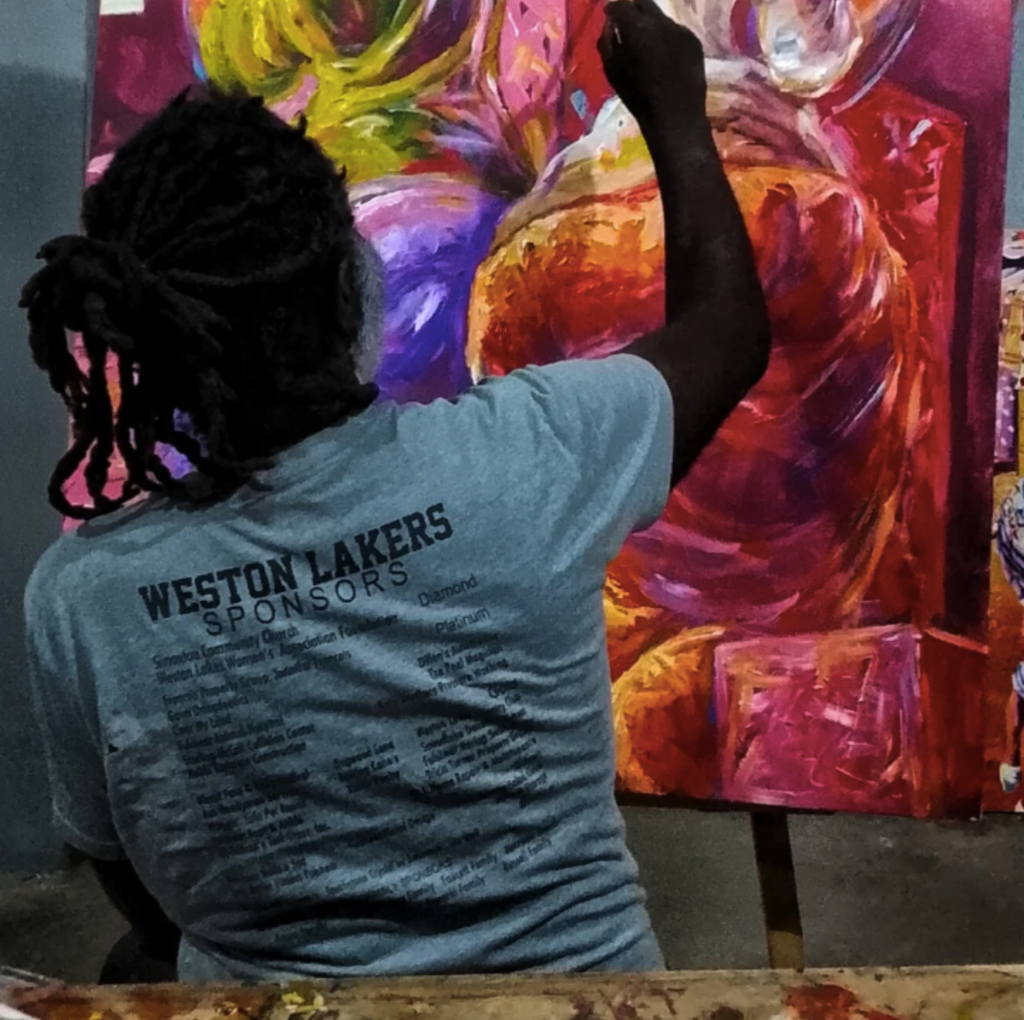
Mukabi in his studio
The amount currently being raised for Mukabi’s medical support is KSh 250,000 (approximately $1,900 USD). In the broader context of institutional funding within the arts sector, this is a relatively modest amount—one that, realistically, could be resolved quickly if a major art centre chose to step in with meaningful support.
Supporting artists during difficult times should not be viewed as charity, but rather as a responsibility within a functioning cultural ecosystem. If institutions truly value the artists who contribute to their visibility and programming, then moments like this are when that commitment should be most visible.
Ultimately, situations like this highlight the urgent need for stronger and more organized visual artists’ associations in Nairobi—structures that can advocate for artists’ welfare, establish emergency support systems, and ensure that the burden of care does not fall solely on informal networks of fellow artists.
Out of my long-standing relationship with Patrick Mukabi, Tewas Art, together with a group of patrons, decided to volunteer and organize an online benefit exhibition as a way of accelerating the fundraising effort. The intention was simple: to mobilize the art community quickly and create an opportunity for artists and collectors to contribute meaningfully while supporting Mukabi during this crucial period of recovery.
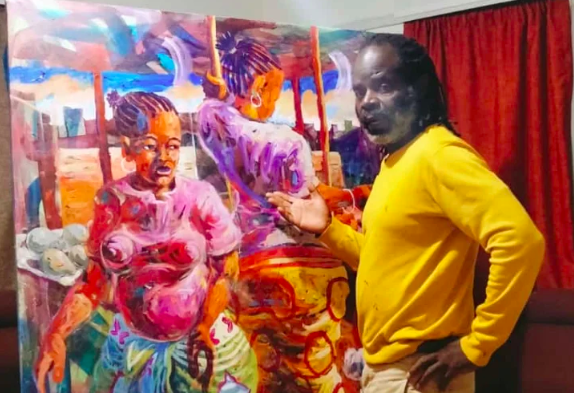
Mukabi with his work
However, the response to this call revealed deeper structural issues within the Nairobi art ecosystem. Among some key established artists—many of whom are Mukabi’s peers—the reaction to this call was mixed, almost a 50/50 kind of attitude, with some not treating the situation with the urgency it deserves. In moments like this, one would expect the community to rally together without hesitation, especially when it concerns an artist who has contributed significantly to shaping the contemporary art landscape in Kenya.
Unfortunately, it often becomes difficult to push even the most noble ideas within certain circles unless you are already part of those circles. This reality reflects the underlying dynamics of influence and gatekeeping that continue to shape the Nairobi contemporary art scene.
At the same time, the experience has also revealed something encouraging. Much of the support for the benefit exhibition has come from a younger generation of artists. Many of these artists may not have directly benefited from Mukabi’s mentorship, yet they still recognize and respect his contribution to the development of contemporary art in Kenya. Their willingness to step forward demonstrates a sense of solidarity and responsibility that gives hope for a more collaborative future within the artistic community.
Ultimately, moments like this expose both the strengths and the weaknesses of the current ecosystem. While informal networks and individual initiatives can mobilize support, the absence of structured artist associations and institutional safety nets means that artists remain vulnerable during times of crisis. Strengthening collective structures that protect and advocate for artists is therefore not just necessary—it is urgent.
The question then becomes: whose responsibility is it to stand up for an artist like Patrick Mukabi in times of need?
Is it the commercial galleries that represent artists and benefit from their work?

Is it the non-profit organizations and art centres that rely on artists for programming and cultural visibility?
Is it artist collectives, or perhaps the collectors who have built their collections through the artists’ work and creativity?
In reality, responsibility is shared across the entire ecosystem. Artists are the foundation of the contemporary art scene, and every stakeholder—galleries, institutions, collectors, and fellow artists—benefits from their creativity and cultural contribution. When one of the pillars of that ecosystem faces a health crisis, it should naturally prompt a collective response.
However, in my view, the most sustainable long-term solution lies in establishing an active visual artists’ association for Kenyan artists. Such a body could help organize collective resources, advocate for artists’ welfare, and create emergency support mechanisms for cases involving medical, mental health, and financial crises. With the increasing number of mental and general health challenges affecting artists within the Nairobi contemporary art scene, having a structured and functioning association could make it much easier to respond quickly and provide long-term support.
Moments like this should not only inspire short-term fundraising efforts but also encourage deeper reflection about the systems we need to build in order to protect and support the very people who sustain our cultural landscape.
Below are links to support the Patrick Mukabi Fund fundraiser as well as the online benefit exhibition catalogue organized by Tewas Art and Patrons.
Fundraiser Link: https://www.mchanga.africa/fundraiser/132563
Online Catalogue: https://drive.google.com/file/d/1ASJjfa94nLJZcklDdxqR_YO3NwccaaS_/view?usp=sharing
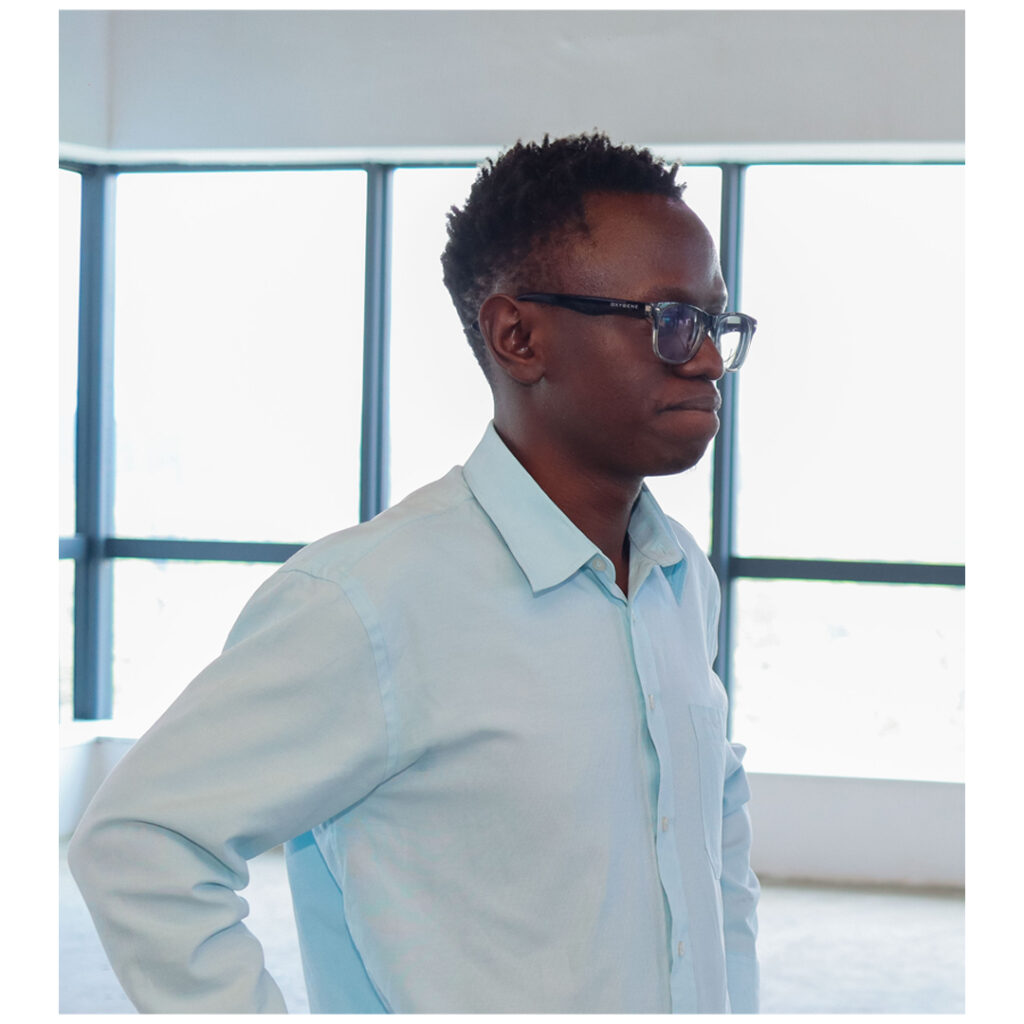

About the Author
Thaddeus Wamukoya (Tewa) is an independent curator and the founder of Tewasart and Patrons, a dynamic contemporary art platform and online gallery dedicated to championing emerging and mid-career artists from the region and across the African continent.
Through the platform, he works to promote contemporary art to a wider audience by fostering critical engagement with mainstream galleries, established art centres, curators, and artists.
In addition to curatorial work, Tewa writes about contemporary art, publishes online catalogues, and organizes pop-up exhibitions. He also initiates collaborations with international galleries, art centres, art fairs, and collectors to expand opportunities for artists and strengthen connections within the global art ecosystem.