


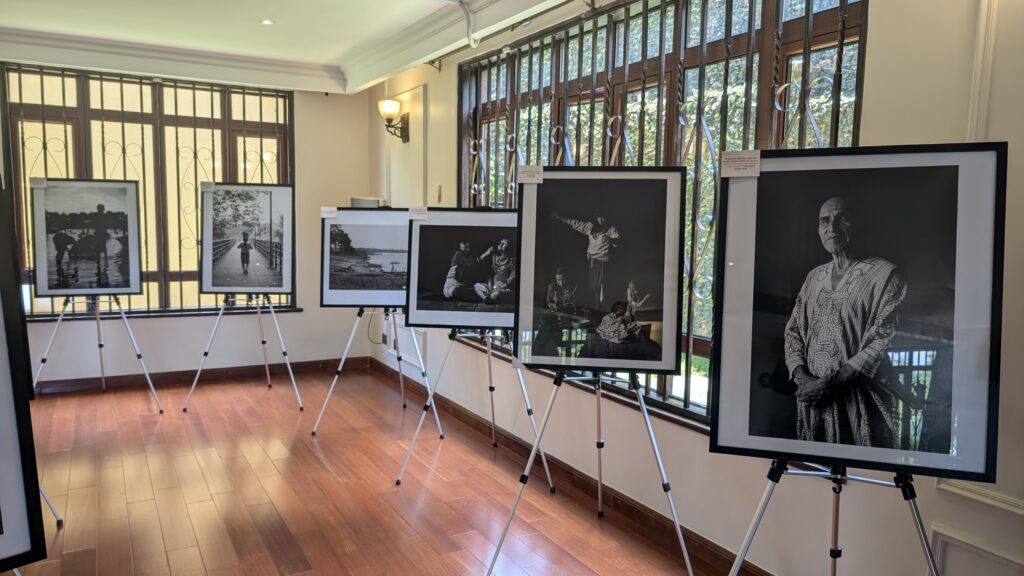
At the residence of the Embassy of Peru in Kenya in Nairobi, visitors are able to step into the lush cultural landscape of Peru through a striking photographic exhibition titled Shipibo-Konibo: Portraits of My Blood. The exhibition by Peruvian photographer David Díaz Gonzáles offers a deeply personal lens on the lives and traditions of the Shipibo‑Konibo people, an Indigenous community from the Peruvian Amazon. This collection serves as a powerful visual testimony, offering an intimate and authentic perspective of the Shipibo-Konibo community from one of its own members.
Hosted as part of the embassy’s cultural programming, the exhibition underscores how art can bridge continents. In her opening remarks, Ambassador Romy Tincopa highlighted the importance of cultural diplomacy in strengthening ties between Peru and Kenya. She described the photographs as a living testimony of identity, memory and resilience—images that carry the spirit of the Amazon while inviting audiences in Nairobi to engage with the cultural diversity of Peru.

In conversation, Johan Edú Ríos Rivas, Second Secretary at the Embassy of Peru in Kenya, discussed how the general perception of Peru centres around the Andes, however, 40% of Peru is Amazonian forest. Indeed it was surprising when viewing the exhibition to encounter riverine images.
The photographs themselves are intimate and unguarded. Díaz Gonzáles captures moments of everyday life: families gathered together, dignified portraits, and scenes that reflect the deep relationship between the Shipibo-Konibo people and their environment. The photographer’s highlighting of this ancestral connection is additionally prompted by environmental concerns as mining companies attempt to access the rich gold reserves within the Amazonian environment, much as they do in Africa.
Born in 1992 in the native community of Nueva Saposoa in Peru’s Ucayali region, Díaz Gonzáles brings a rare authenticity to his work. His upbringing within the Shipibo-Konibo culture shapes his approach to photography, giving his images both emotional depth and cultural nuance. A recipient of the Maravillarte Prize, he is part of a new generation of Peruvian photographers exploring identity through documentary storytelling. What is more remarkable is that Diaz Gonzáles is untrained as a photographer, with no formal art schooling. As told by Rivas, Diaz Gonzáles simply saw the importance of documenting his community so picked up a camera.

The Shipibo-Konibo people traditionally live along the Ucayali River in the Peruvian Amazon and are known for their rich spiritual traditions and distinctive visual culture. Central to their artistic expression are the intricate geometric designs known as kené, representing a sacred, living tradition of interconnected lines. Used on textiles, ceramics, and skin, these patterns are inspired by anaconda visions and are often understood as “visualized songs” or energetic vibrations, often originating from ayahuasca ceremonies. These motifs reflect a worldview in which humans, nature and the cosmos are deeply interconnected.
Díaz Gonzáles’ photographs echo this philosophy. His compositions balance poise with spontaneity, presenting subjects who are both grounded in tradition and very much part of the present. The result is a body of work that feels contemporary yet rooted in ancestry, which the photographer describes as a visual dialogue between memory and identity. The richness of the black and white tones offer dignity and gravitas to even the most mundane tasks pictured, such as stirring a pot over a fire.
For Nairobi’s art audience, the exhibition offers a rare window into a culture thousands of kilometres away while also prompting reflection on shared themes of heritage, community and belonging. In bringing the voices and faces of the Amazon to Kenya, Shipibo-Konibo: Portraits of My Blood demonstrates how photography can travel across borders, reminding viewers that stories of identity and resilience resonate far beyond their place of origin.