

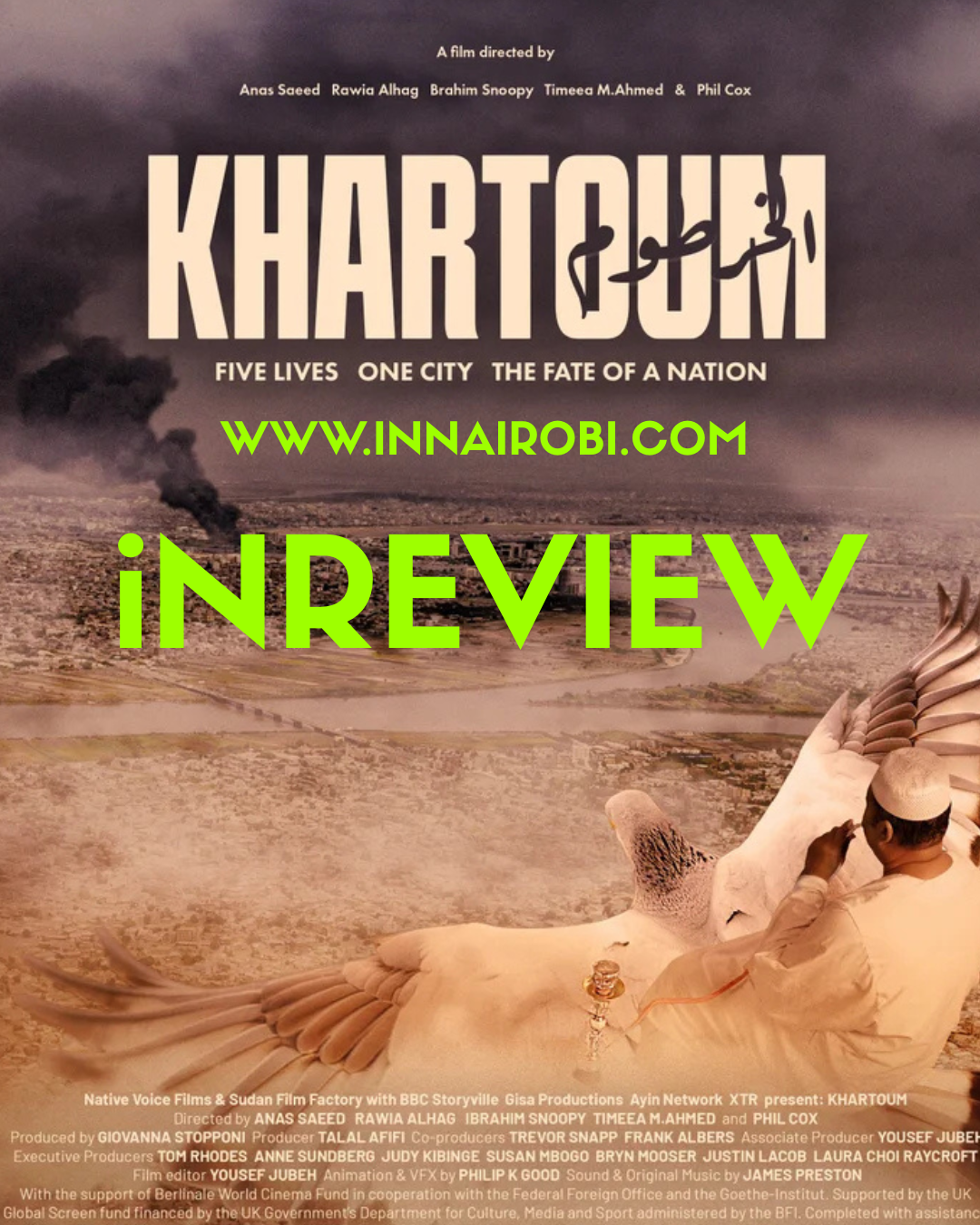

Film Review — Khartoum (2025)
Things We Carry presents a fundraising screening of the award winning film KHARTOUM at the unique venue Sarakasi Dome @sarakasitrustofficial in Ngara.
The screening will be followed by a Q&A with co-director Snoopy Ibrahim. There will be an aligned art gallery exhibit curated by Nubian Art Gallery, held at nearby Heltz House.
This screening is part of a wider event including a supper club, with food by Taste & Tales of Sudan / Mohd Elhassan @thecode_of_mj. The supper club is currently sold out but keep an eye on Things We Carry for future events.
Things We Carry are offering a sponsored ticket program whereby people can buy an extra ticket for a community member who may not otherwise be able to afford one. To redeem a sponsored ticket, reach out to Things We Carry @thingswecarrynbo via DM.
GET TICKETS on @mookh.africa
https://mookh.com/event/things-we-carry-vol-1-khartoum
Gallery hours:
Saturday: from 2PM – 5PM Sunday: 12-4PM
Movie: 5-7:30PM with directors Q&A
Khartoum (2025) is a powerful, genre-defying documentary that premiered at the Sundance Film Festival and is now screening Saturday: from 2PM – 5PM Sunday: 12-4PM
Movie: 5-7:30PM with directors Q&A.
Blending documentary, performance, animation, and memory, the film follows five Sudanese residents whose everyday lives are fractured by war and displacement, reimagining how stories of conflict, exile, and identity can be told on screen. As one of the most talked-about films of 2025, Khartoum offers Nairobi audiences a rare opportunity to engage with urgent contemporary cinema from Sudan, told with intimacy, imagination, and radical humanity.
______________
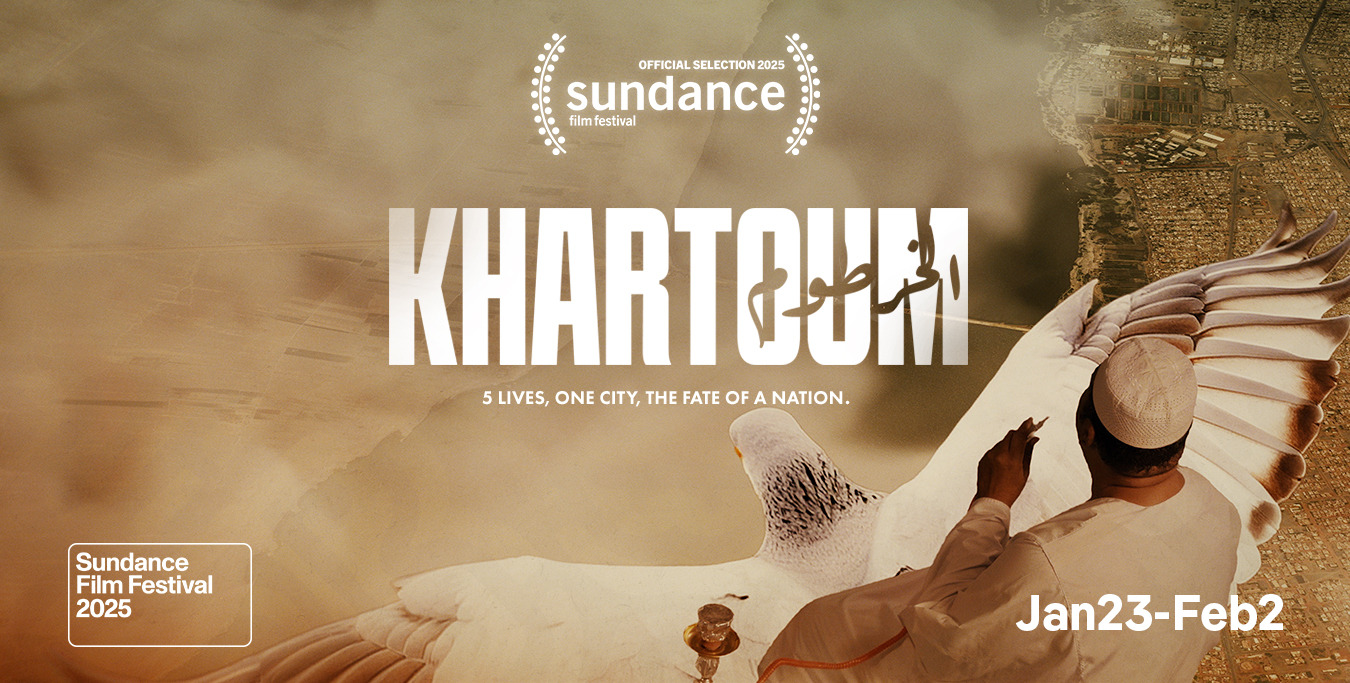
In a year already saturated with bold cinematic experiments, Khartoum emerges not just as a standout documentary — but as one of the most inventive, humane, and necessary films of 2025. Premiering in the World Documentary Competition at Sundance and earning international acclaim at festivals like Berlinale, this collaborative Sudanese film reimagines what documentary cinema can be in the 21st century: part memory, part performance, and fully alive to the interior worlds of its subjects.

A Film Born of Disruption — and Refashioned with Imagination
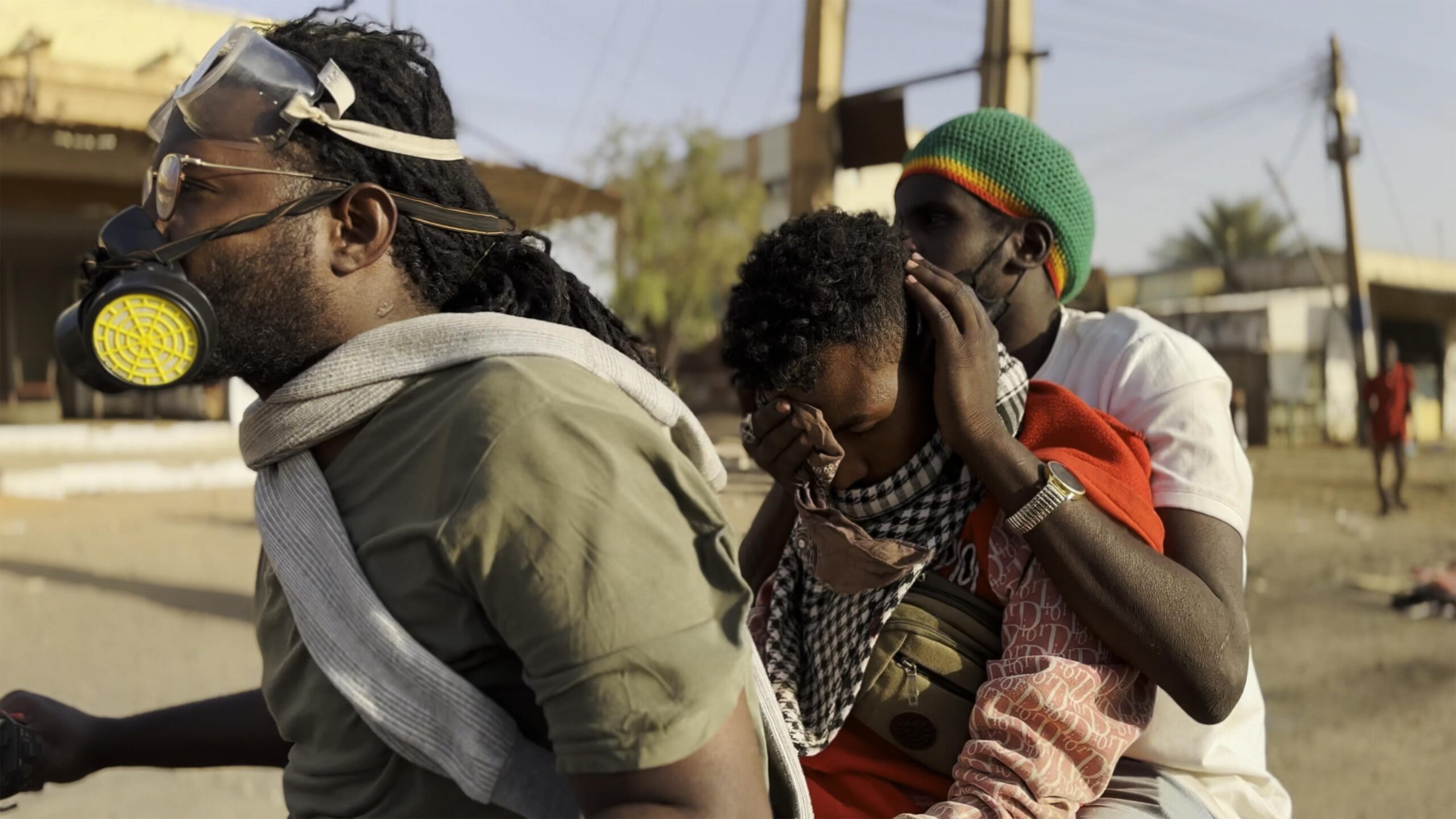
Khartoum begins in familiar observational terrain: handheld footage of everyday life in Sudan’s capital, following five residents as they go about their routines — Majdi the civil servant and pigeon racer, Khadmallah behind his tea stall, Jawad the volunteer activist, and young boys Lokain and Wilson with their boundless energy and dreams. But then war erupts. The city becomes untenable. Lives scatter. Filmmakers and protagonists alike cross borders into exile — many ending up in Nairobi and across East Africa.
What could have remained a conventional chronicle of conflict instead transforms into something radically original. With much of the raw material now displaced — both physically and temporally — the directors invite their subjects to re-enter their own stories, not as passive interviewees, but as co-creators. Through green screen reconstructions, dreamlike sequences, animations, and re-enactments, we watch memories — and fantasies — come alive. Pigeon flights become mythic. Streets once traversed daily now shimmer with the weight of loss, longing, and imagination.
Heart Over Headlines
Where many films about war default to a distant, reportorial frame, Khartoum places its gaze firmly inside lived experience. We are not watching “victims of war” as distant abstractions — we are invited to inhabit moments of laughter, frustration, hope, and absurdity with these individuals. A tea stall becomes a stage for resilience. A pigeon race becomes an act of joy defiant against the backdrop of violence. Children play amid the ruins not as symbols, but as emotional centers anchoring the film’s truth.
This method — blending documentary honesty with performative reconstruction — is not a gimmick. It’s a deeply felt statement: that memory, identity, and imagination refuse to be erased, even when geography is lost.
Why It Matters — Especially Now
Khartoum arrives at a time when narratives from Sudan are too often reduced to headlines about conflict and crisis. It counters that reduction with full humanity. It reminds us that Khartoum was a city of poets and pigeon racers, tea vendors and activists, laughing children and stubborn hope — before war, during upheaval, and in the fugitive spaces beyond.
For Nairobi’s audiences — a city that hosts diasporas, refugees, exiles, and storytellers from across the region — Khartoum hits with a rare blend of intimacy and universality. Its hybrid form echoes the hybrid lives many now lead: rooted somewhere, torn from there, and inventing new ways to carry place in the heart.
Final Take
Khartoum is not easy. It is strange at times. It refuses simple narration. But that strangeness is its strength. It demands empathy over passivity, imagination over detachment.