

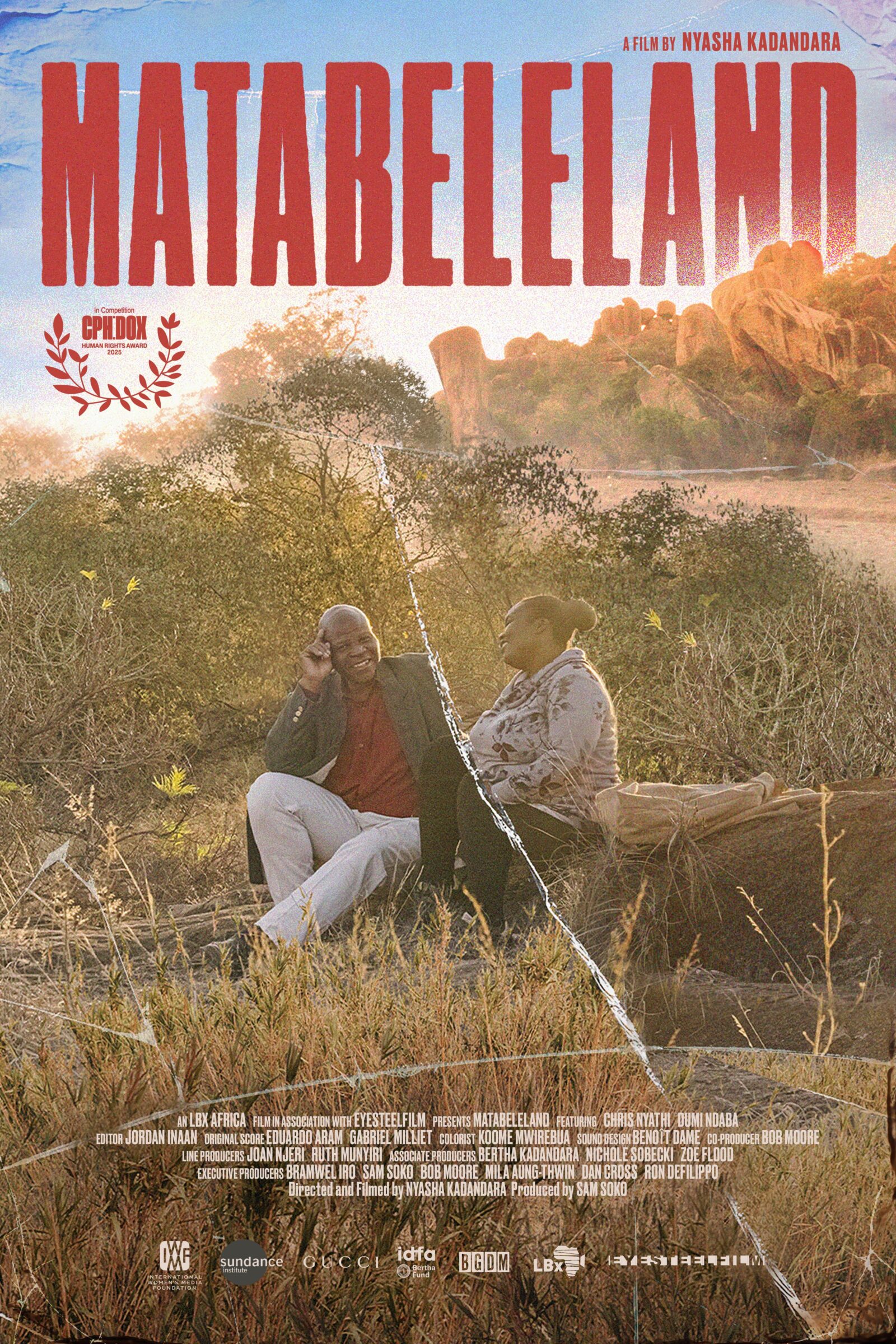

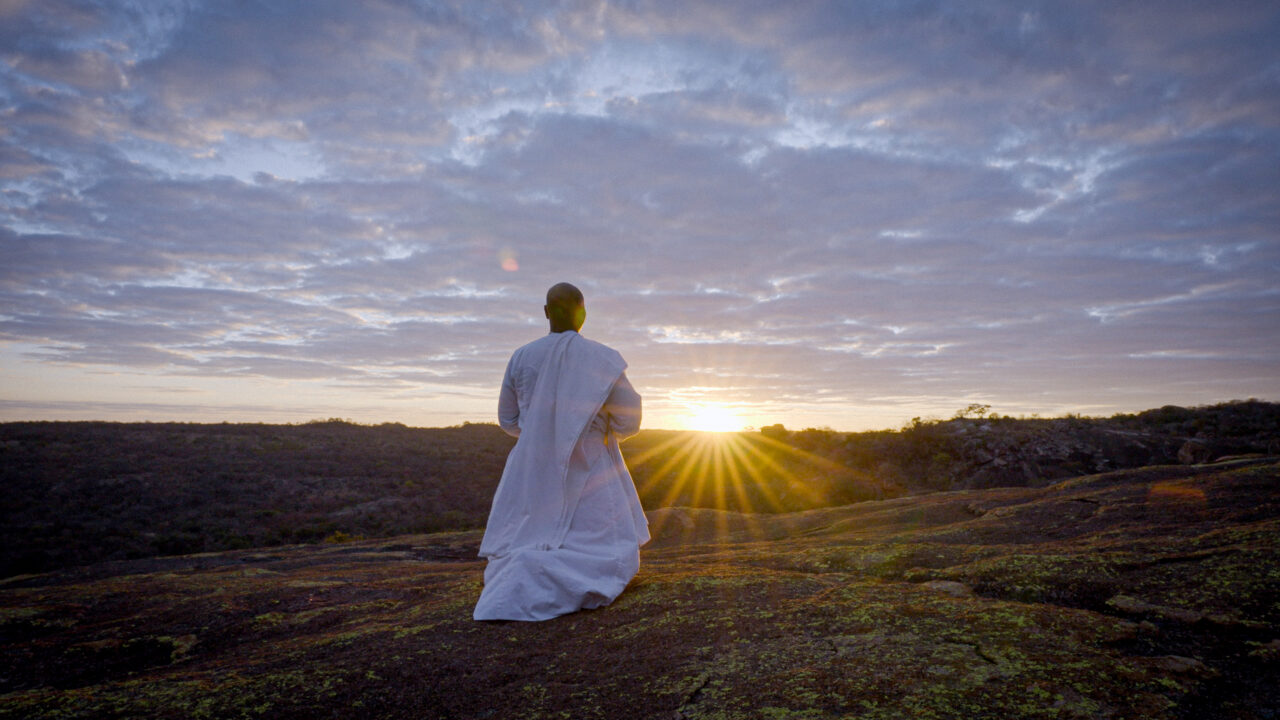
Directed by Nyasha Kadandara, Matabeleland is a quiet, devastating documentary about inheritance. Not land or money, but grief, unfinished business, and the invisible debts passed from one generation to the next.
The film follows Chris, a Zimbabwean man living and working in Botswana, who believes his life is stalled because his father was murdered during the Gukurahundi massacres of the 1980s and never properly buried. That absence, of ritual, of justice, of acknowledgement, has become something he carries everywhere: into his finances, his relationships, his sense of masculinity, and his faith.
Chris isn’t the subject of the film so much as the surface where everything else lands: state violence that was never named, family expectations that never stop multiplying, and a masculinity that demands endurance but offers no instruction manual.
I went into Matabeleland expecting a political documentary. What I got instead was something far more uncomfortable: a film about being tired in a very specific African way.
Tired of owing people.
Tired of being strong.
Tired of explaining yourself to the dead.
This is not a documentary that raises its voice. It doesn’t announce its politics. It watches. And in watching, it exposes something many African men recognise but rarely articulate: the way unresolved national violence quietly rewires domestic life.
Chris’s father was murdered during Gukurahundi and never properly buried. That fact sits in the film like unpaid rent. It doesn’t dominate every conversation, but it is always there, shaping decisions, explaining failures, justifying fear. When a church tells Chris his life is blocked because his father’s spirit was never laid to rest, the idea doesn’t feel absurd. It feels… administratively plausible. As if the spiritual world is simply doing what the state refused to do: acknowledge the body.
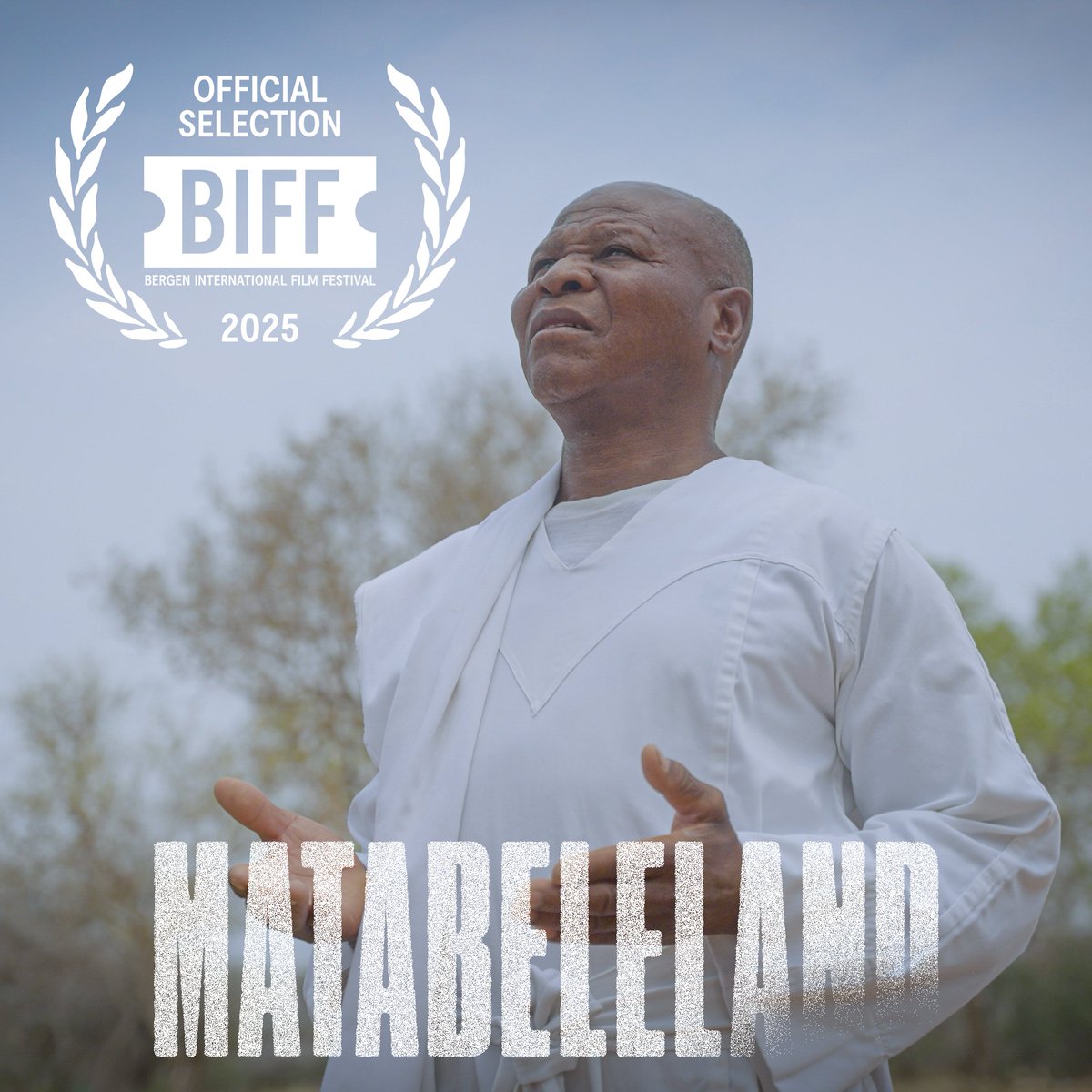
What struck me most is how ordinary the suffering is. No dramatic breakdowns. No cinematic grief. Just the slow erosion of possibility. Chris works. He sends money home. He fails to send enough. He disappoints people he loves. He believes he should be doing better. That loop will be painfully familiar to anyone navigating diaspora life, whether in Gaborone, Nairobi, or London.
Director Nyasha Kadandara understands restraint. She doesn’t chase trauma. She lets it misbehave quietly in the frame. The camera lingers just long enough for awkwardness to settle, for silences to stretch, for humour to slip in sideways. There are moments where you almost laugh, then feel strange for doing so. That tension is the film’s real intelligence.
The act of exhumation and reburial, which could have been framed as catharsis, is handled without ceremony. No swelling music. No emotional release on cue. Instead, the film asks a harder question: if you finally close the door on the past, what excuse do you lose? What happens when the thing you’ve been blaming is no longer there?

Watching this at during the NBO Film Festival felt right. Nairobi is a city full of people carrying unfinished histories. We know about surviving. We know about obligations dressed up as love. We know about faith stepping in where systems failed. Matabeleland doesn’t explain us to ourselves, but it recognises us. That recognition is rare.
This film doesn’t want your tears – it wants your attention.
…And once it has it, it quietly asks: What are you still carrying that was never yours to begin with?
Screening through January at Unseen Nairobi
Tickets Available on Mookh