

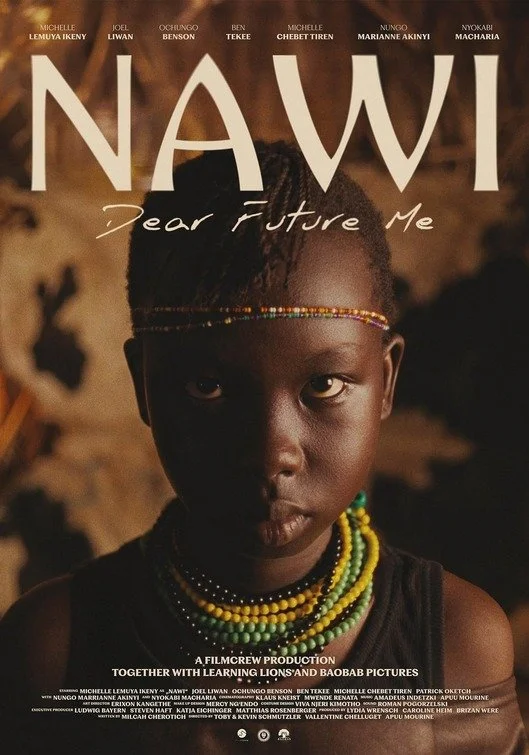

Nawi is not just a film, it’s a reckoning — with tradition, with patriarchy, with the price of stolen dreams.
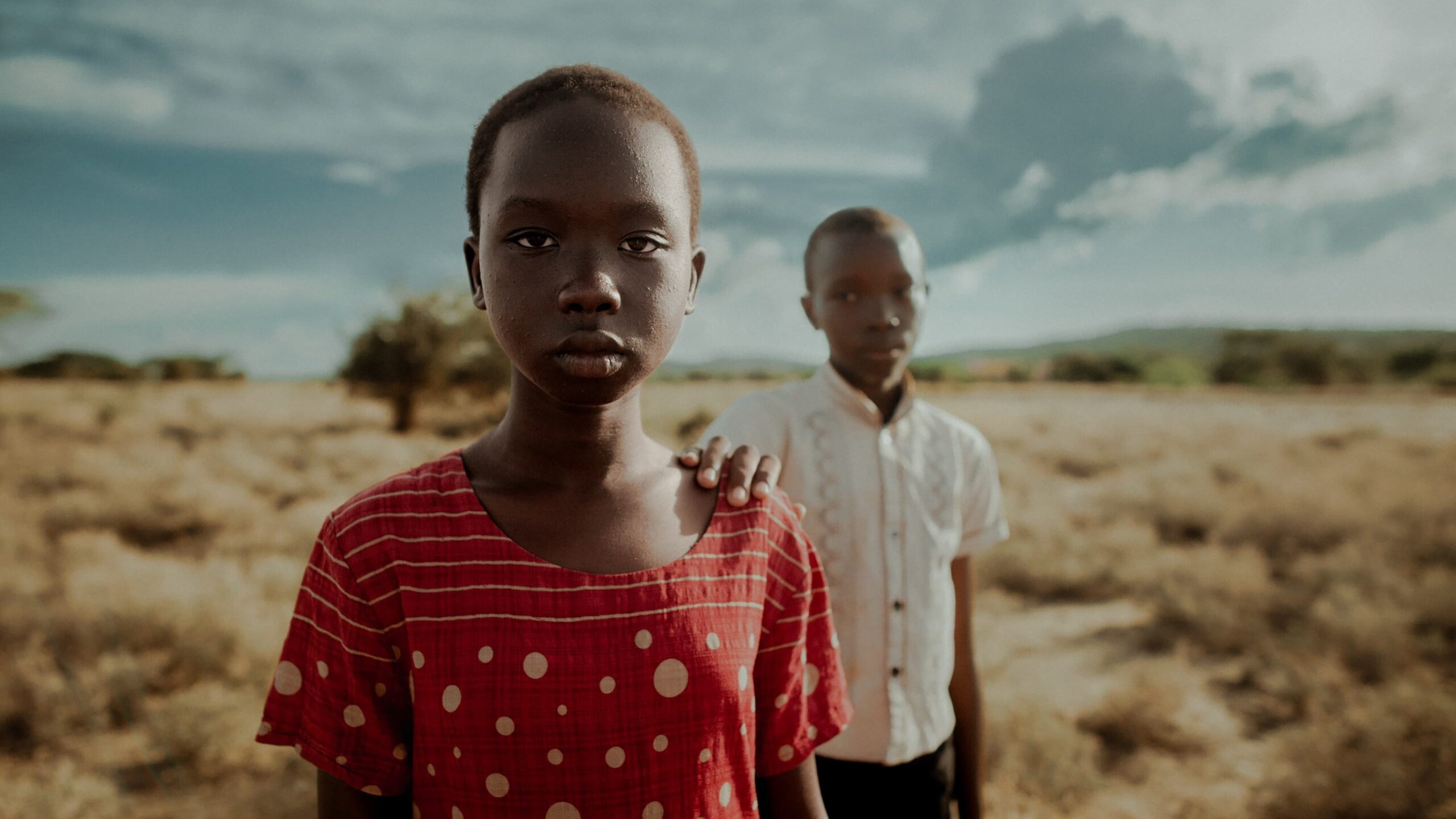
Kenyan cinema has found its voice in Nawi: fearless, rooted, and impossible to ignore.
Set in Turkana, this haunting new film follows 13-year-old Nawi, a gifted student whose future is stolen when she’s married off for livestock. What unfolds is raw, powerful, and deeply relevant — a story that has kept Nairobi talking for weeks.
Nawi: Dear Future Me — A Film Review
There’s a certain electricity in Kenyan cinema right now. The kind that comes when a story refuses to stay small, when it cuts through the noise and insists on being heard. Nawi: Dear Future Me is one of those films.
Set against the stark, sun-bleached landscapes of Turkana, the film follows 13-year-old Nawi, a gifted student whose future shatters when her father arranges her marriage in exchange for livestock. What could have been another tale of rural hardship is instead reframed as something far more urgent: the story of a girl fighting to keep hold of her own brilliance in a world determined to silence it.
Michelle Lemuya Ikeny is extraordinary in the lead role. Her performance is both delicate and unflinching, carrying a weight far beyond her years. There’s a restraint in the way she embodies Nawi’s fear and defiance that makes the story hit harder—no grand theatrics, just truth. Around her, the film’s cinematography captures Turkana as both beautiful and brutal, the land itself becoming a character in Nawi’s fight for freedom.
At its heart, Nawi is about the cost of possibility. The most haunting moment comes when Nawi’s future is literally reduced to a ledger of camels, sheep, and goats. It’s an image that is difficult to shake, a stark reminder of how quickly potential can be traded away. The film doesn’t romanticise or soften this reality; instead, it asks us to sit in the discomfort and confront it.
What makes Nawi stand out in Kenya’s cultural moment is how it lands here at home. This isn’t just a festival darling or a polished export for international audiences. In Nairobi, it played for seven weeks, an almost unheard-of run in our cinema culture. People kept going back, not just to watch, but to talk about it afterwards—to argue, to reflect, to question how far we’ve come and how much further there is to go when it comes to education, gender, and choice.
Yes, the film can be heavy-handed at times. Its message is clear and unrelenting, and for some, that directness will feel didactic. But perhaps subtlety is a luxury this story cannot afford. In a global landscape where too many important stories fade into polite metaphors, Nawi chooses clarity and force—and maybe that is precisely why it has struck such a chord.
The recognition has already begun to flow: Michelle winning Best Promising Actor at the AMAAs, the film chosen as Kenya’s official submission for the Oscars. But the real impact lies in its timing. It feels like the kind of film that could help shape the identity of contemporary Kenyan cinema—ambitious, deeply rooted, unafraid to tell the stories that matter most.


Nawi doesn’t simply present a tragedy. It offers us a mirror, daring us to look closely at the futures we still allow to be stolen. For Nairobi audiences, for Kenya, and for anyone who believes in the power of cinema as a cultural reckoning, this is a film that cannot be ignored.
______________________________________________________________________
Nawi is playing through September at Unseen Nairobi
Tickets are available on Mookh
WATCH THE TRAILER