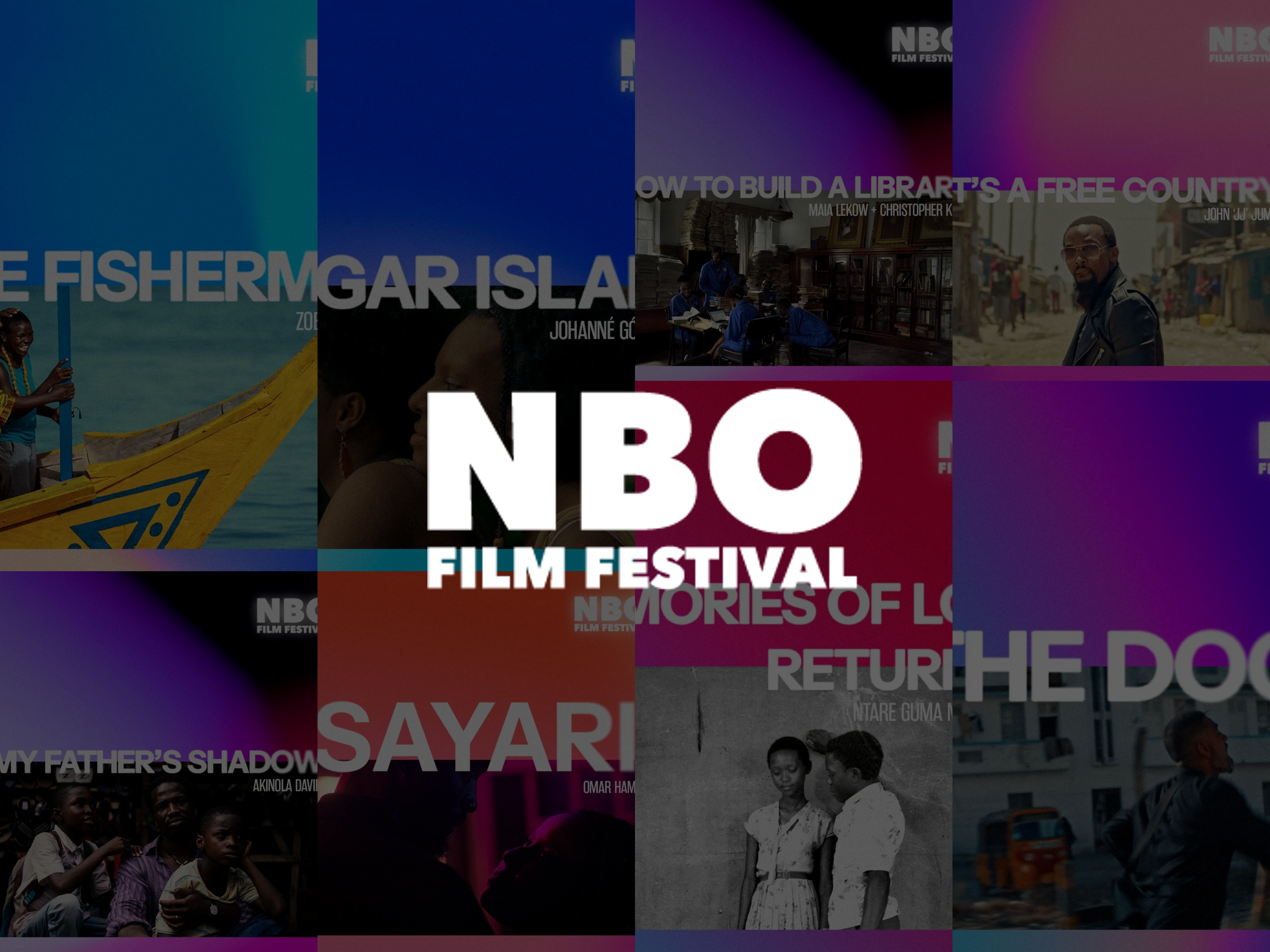



Nairobi, October 2025
Our capital is restless, alive with the hum of traffic and chatter as dusk falls over Ngong Road. Outside Prestige Cinema, the line snakes down the block. Filmmakers, students, cinephiles, and curious onlookers clutch their tickets and phones, waiting to enter. For ten days this October, Nairobi belongs to the movies.
_
The NBO Film Festival, now in its seventh edition, opens once again with the kind of urgency that has always defined it — a festival built not on red carpets and spectacle, but on the raw ambition of African storytellers. Since its founding in 2017 by producer Sheba Hirst and filmmaker Mbithi Masya, the festival has aimed to do something rare in Kenya: create a space for local and continental voices to thrive, in dialogue with the world.
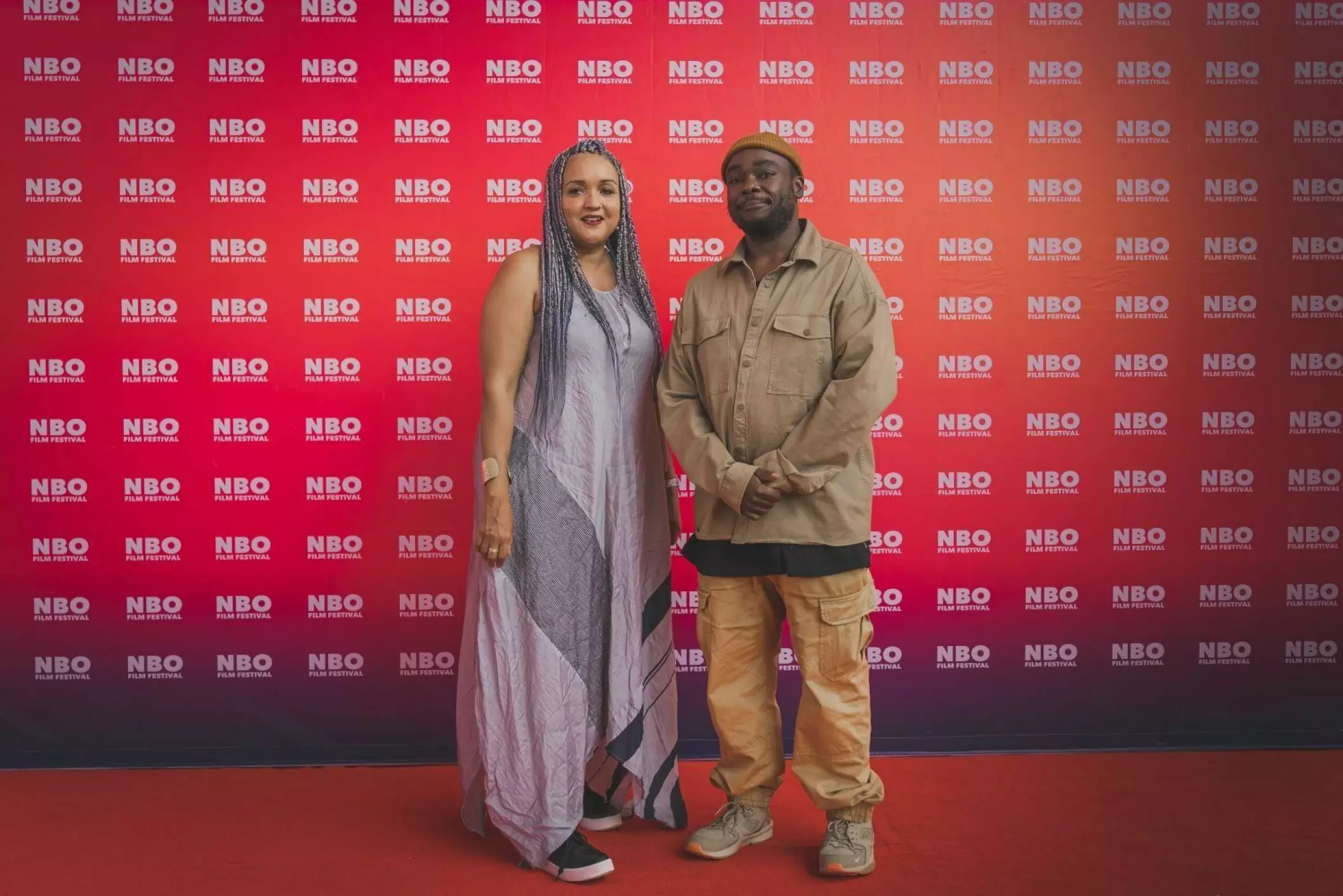
The debut edition set the tone with Kati Kati, a surreal Kenyan drama about purgatory, memory, and grief, that announced — to Nairobi and beyond — that homegrown cinema was ready to stand alongside global peers. Each year since, the festival has grown in reach and ambition. Lusala, a film by Mugambi Nthiga, premiered here in 2019 and played to packed houses, extending its run long after the closing night. By then, NBO had already carved itself into the city’s cultural calendar, a fixture as vital as Nairobi’s fashion weeks, music festivals, and art fairs.
The intervening years weren’t easy as the COVID-19 pandemic shuttered cinemas and strained cultural institutions. But NBO returned in 2023 with fresh energy, staging screenings not only at its traditional home of Prestige Cinema but also in new spaces: Kaloleni Social Hall in Eastlands, the indie venue Unseen Nairobi nested in a rooftop in Kilimani, and Docubox at Shalom House. The expansion reflected its mission: to democratise cinema, to bring stories to audiences who might never step into a commercial theater.
This year, the festival leans into that ethos even more. Running from 16–26 October 2025, NBO features a diverse program of features, shorts, and curated panels. Its official selection includes the festival’s much-loved shorts showcase, SSS, which often delivers the most electric screenings… intimate, urgent, and unvarnished. Themes this year range from climate change and migration to identity and memory, told through the eyes of filmmakers from Kenya, East Africa, the diaspora, and beyond.
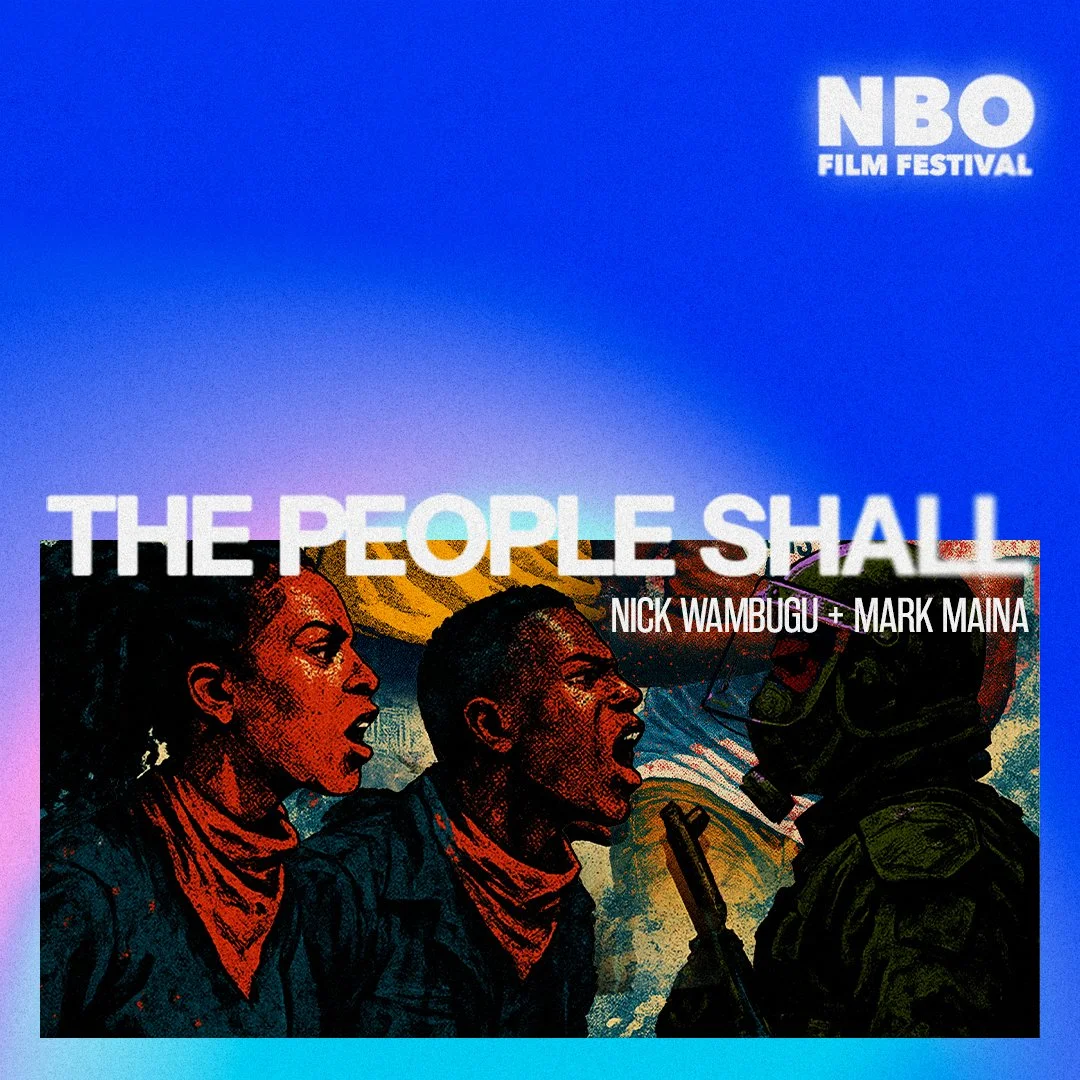
This year’s festival will showcase over 26 films from over 15 countries, featuring world premieres, African debuts, and celebrated international titles. The 2025 program includes an in-competition section with five outstanding films selected to be viewed by an independent jury; dynamic short film showcases, and a special focus on Afro-Latin American cinema.
Audiences can also look forward to headline events – the Opening Night Gala, Closing Night Ceremony, and Wrap Party, as well as community screenings in Nairobi neighbourhoods, ensuring the magic of cinema continues to reach diverse audiences. Alongside screenings, the festival’s industry program will feature workshops, artist-to-artist conversations, and pitching sessions with international buyers and distributors, creating pathways for Kenyan and African filmmakers to share their stories with a global audience.
2024 – opening night, the excitement is palpable. Inside Prestige, the lights dim and the chatter subsides. The first short flickers on screen — a herder’s story from northern Kenya, shot against the stark beauty of an arid landscape. Twenty minutes later, the applause is thunderous. When the filmmaker stands for the Q&A, the questions come fast: “Why here?” “How did you fund it?” “What does the ending mean?” These unscripted exchanges are the heartbeat of NBO: messy, vibrant, and fearless.
Behind the scenes, the festival is still a hustle. Running a cultural event of this scale in Nairobi means battling for screens, sponsors, and audiences in a city where cinema culture is still emerging. As Hirst once admitted in an interview, “You build this festival with equal parts faith and fire.” Submission fees, partnerships with institutions like the EU–Kenya Film Exchange, and volunteer labor all keep the machine running. The stakes are high: if the festival falters, the void for African cinema would be immense.
“You build this festival with equal parts faith and fire.”
But on the ground, the urgency outweighs the worry. At Kaloleni, children press into the back rows of a screening; at Unseen, young directors scribble notes during an industry panel on distribution. Each space becomes a small republic of cinema, its citizens bonded by curiosity and conversation.


For Nairobi’s creative community, the NBO Film Festival is more than a program of films. It is both mirror and megaphone. A place where stories that might otherwise be lost or overlooked are projected six meters high, given space to resonate, to spark debate, to inspire.
As the 2025 edition unfolds, it reminds us that Nairobi is not just a backdrop for cinema but a protagonist in its own right — restless, alive, complicated, and insistent on being seen. The future of African storytelling is not waiting to be discovered in Paris, London, or New York. It is here, in Nairobi, flickering across the screen, refusing to be ignored.
https://www.nbofilmfest.com
Tickets will be available soon
https://www.instagram.com/nbofilmfest/